'Deeply concerning': India condemns attack on vessel carrying Indian crew off Oman coast
Source Entity
ROHITASHWA RANJAN
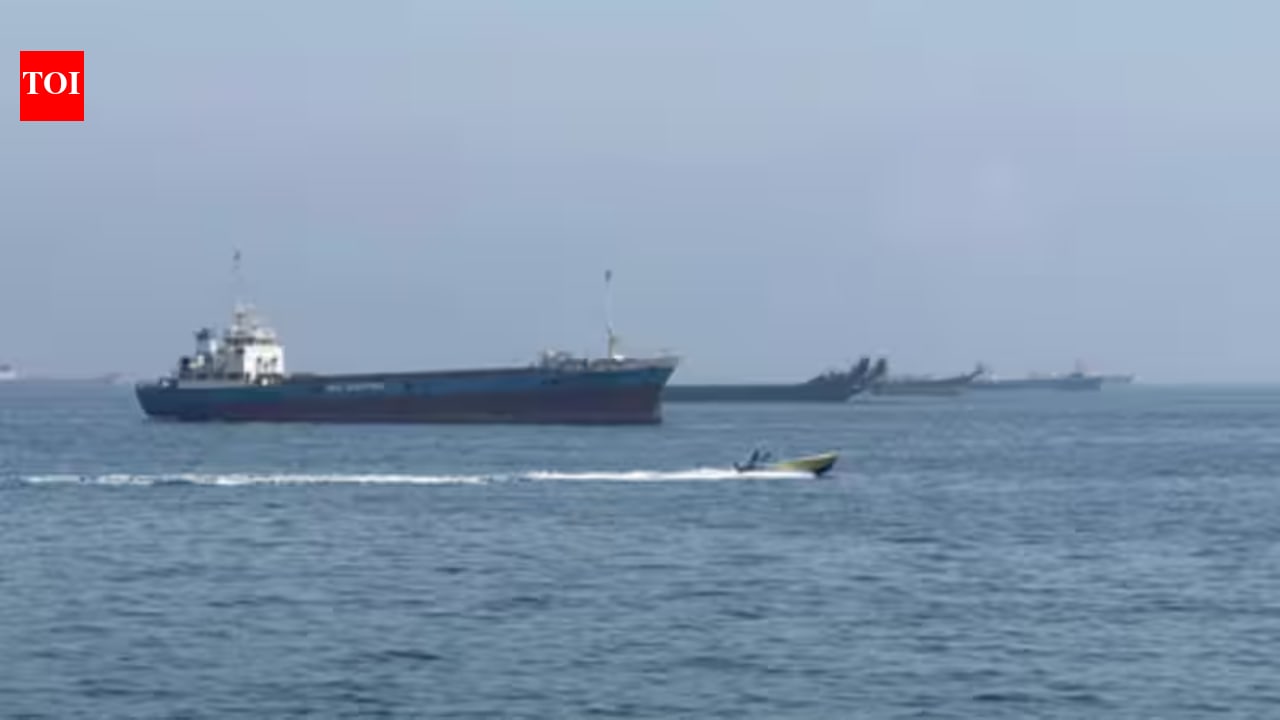
India has strongly condemned the drone attack on the MT Petro Dolphin in the Strait of Hormuz, which left two Indian seafarers missing. The incident highlights growing security risks to commercial shipping in this volatile maritime chokepoint.
Escalating Maritime Insecurity in the Strait of Hormuz
The Indian Ministry of External Affairs has issued a stern condemnation following a drone attack on the commercial vessel MT Petro Dolphin on October 11, 2026. This incident, which occurred within the critical maritime corridor of the Strait of Hormuz, resulted in two Indian seafarers being reported missing from a crew of eleven. The attack represents a significant escalation in the security challenges facing international merchant shipping in one of the world's most vital energy transit routes.
The Strategic Importance of the Strait
The Strait of Hormuz is not merely a regional waterway; it is a global economic artery. As a primary conduit for oil and gas exports from the Persian Gulf to the rest of the world, any disruption to transit here carries immediate implications for global energy prices and supply chain stability. By targeting commercial vessels, perpetrators are effectively leveraging the vulnerability of global trade to exert geopolitical pressure, forcing nations like India to prioritize the safety of their maritime workforce amidst rising regional tensions.
The Human Cost and Diplomatic Response
The disappearance of two Indian nationals underscores the human element of these geopolitical conflicts. India’s immediate diplomatic intervention reflects a growing concern for the safety of its seafarers, who constitute a large percentage of the global merchant navy workforce. By characterizing the attacks as 'deeply concerning,' New Delhi is signaling that it will not remain silent when its citizens are placed in harm's way, effectively calling for international accountability to maintain the freedom of navigation.
Analyzing the Method of Attack
The use of a drone to strike the MT Petro Dolphin marks a shift in the tactical landscape of maritime warfare. Drones offer a low-cost, high-impact method of destabilization that is difficult to intercept, presenting a complex challenge for naval security forces tasked with protecting merchant vessels. This technological evolution in asymmetric warfare makes commercial shipping increasingly susceptible to localized conflicts that were previously confined to military engagements.
Broader Regional Implications
These recurring attacks serve to aggravate an already volatile situation in the Middle East. As commercial ships become targets, insurance premiums for maritime transit through the Strait of Hormuz are likely to rise, placing an additional financial burden on global trade. Furthermore, such incidents risk dragging regional and global powers into a wider cycle of retaliation, potentially threatening the maritime security architecture that has governed these waters for decades.
Future Trends and Outlook
Looking ahead, it is probable that the international community will face increased pressure to enhance naval patrols and surveillance in the Strait of Hormuz. India’s firm stance suggests a move toward more proactive maritime diplomacy, potentially involving collaborative security arrangements with other nations invested in the stability of the region. Without a de-escalation, the trend of using commercial vessels as proxies for geopolitical friction will likely continue, necessitating a robust and coordinated global response to ensure the safety of vital maritime corridors.