Kerala merchant navy man dies in Russian strike off Ukraine ahead of wedding
Source Entity
TOI NEWS DESK
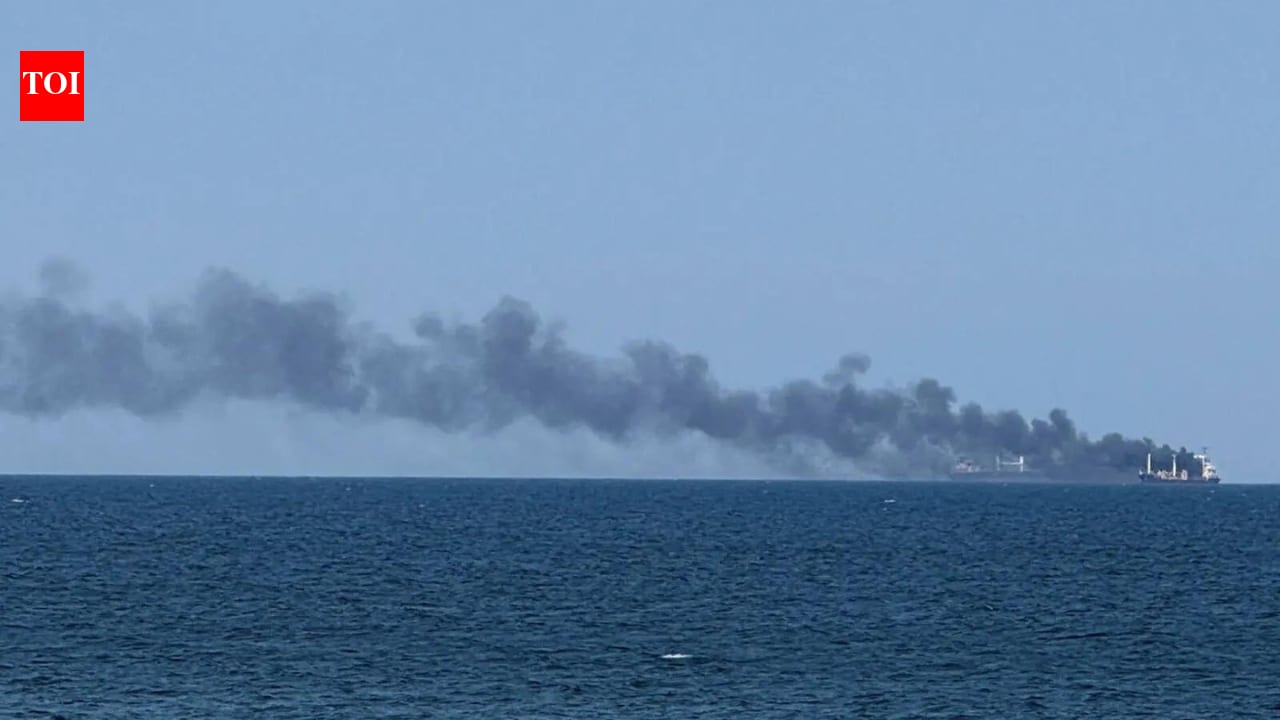
Four Indian sailors were killed and one critically injured following an attack on the merchant vessel MV Golden Leo off the coast of Odessa, Ukraine. The Indian government has condemned the strike, while Ukrainian officials have attributed the incident to Russian military action.
Tragedy Off the Ukrainian Coast: The MV Golden Leo Incident
On July 19, 2026, the maritime industry and the Indian diplomatic community were shaken by a lethal attack on the merchant vessel MV Golden Leo as it departed the port of Odessa, Ukraine. The incident resulted in the tragic loss of four Indian nationals, with one additional crew member left in critical condition. Among the victims identified is 26-year-old Akhil Joyan from Kasaragod, Kerala, whose family received confirmation of his passing via email from the shipping company, underscoring the profound human cost of the ongoing conflict in the Black Sea region.
Geopolitical Implications and Attribution
Ukrainian Acting Foreign Minister Andrii Sybiha has explicitly blamed Russia for the strike, characterizing the event as a direct escalation against civilian commercial shipping. The attack highlights the precarious nature of maritime trade in conflict zones, where merchant vessels—often manned by international crews—inadvertently find themselves at the center of military theaters. The incident has prompted a swift response from New Delhi, with the Ministry of External Affairs (MEA) issuing a formal condemnation of the strike.
India’s Stance on Freedom of Navigation
India’s official response has been consistent with its long-standing foreign policy regarding international waters. By reiterating its opposition to attacks on merchant vessels, the MEA emphasized that such incidents represent a violation of the freedom of navigation—a cornerstone of global trade and international maritime law. The government maintains that targeting commercial shipping and endangering civilian crew members is deplorable, as it threatens the stability of global supply chains and the safety of seafarers who are not combatants in the conflict.
The Human Cost and Search Operations
While the loss of the four Indian sailors has been confirmed, the situation remains fluid. Reports indicate that at the time of the attack, the MV Golden Leo was carrying a total of 17 crew members. Beyond the Indian casualties, Ukrainian officials have stated that five other crew members remain missing, sparking urgent search and rescue operations. Initial, unverified reports suggested a higher total casualty count, but current government data confirms the focus remains on accounting for the remaining missing personnel.
Broader Regional Instability
This incident does not occur in a vacuum. The maritime domain is becoming increasingly contested globally, with reports simultaneously emerging of Houthi-led naval blockades in other regions. These disparate events contribute to a growing atmosphere of uncertainty for global energy supplies and maritime trade. The vulnerability of merchant vessels to military strikes signals a worrying trend where civilian infrastructure is increasingly susceptible to the spillover effects of regional wars.
Future Trends and Diplomatic Consequences
Looking forward, the MV Golden Leo incident is likely to intensify diplomatic pressure on international bodies to guarantee safe corridors for commercial shipping in the Black Sea. As nations like India navigate the complexities of protecting their citizens employed in international maritime roles, the need for enhanced security protocols and clear communication channels between warring parties and neutral shipping interests becomes paramount. This tragedy serves as a grim reminder that the safety of the global merchant fleet is inextricably linked to the resolution of geopolitical conflicts.
Multiple Citing Sources