More than 100,000 protest across France for fifth consecutive weekend
Source Entity
YASHASVI VASISTHA
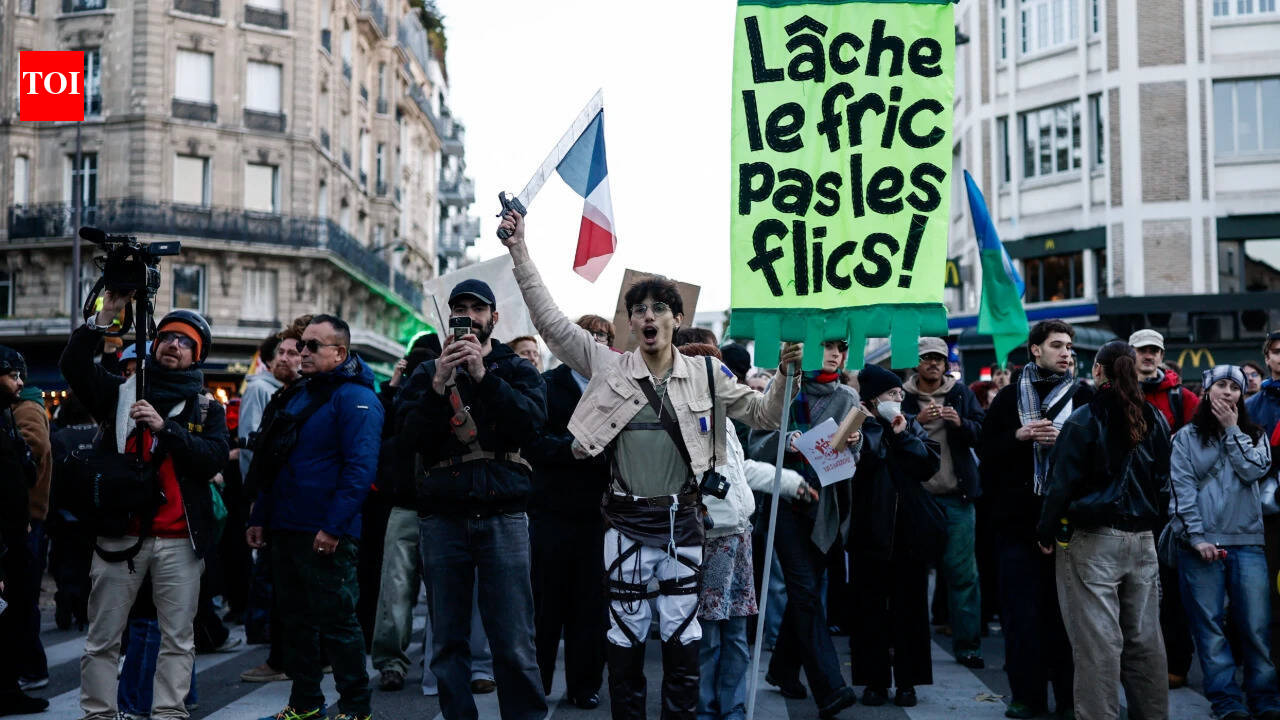
Over 100,000 demonstrators protested across France for the fifth consecutive weekend against rising living costs and a controversial police firearms bill. The movement, which includes unions and students, plans further strikes despite diminishing turnout figures.
Unrest Persists: France Faces Fifth Week of Mass Protests
For the fifth consecutive weekend, the streets of France were filled with over 100,000 demonstrators, signaling a persistent and deep-seated frustration among the citizenry. The movement, a heterogeneous coalition comprising the Yellow Vest movement, student organizations, labor unions, and various activist groups, continues to challenge the government on a multifaceted platform. While the core of the grievance remains the escalating cost of living, the scope of the protests has expanded to encompass critical debates over education funding, children's rights, and the state's approach to law enforcement.
The Catalyst: Economic Strain and Social Policy
The economic anxiety driving these protests is rooted in the broader struggle of the French working and middle classes to maintain their standard of living amidst inflationary pressures. By linking fiscal concerns with demands for increased educational funding, the protesters are highlighting a perceived disconnect between government spending priorities and the immediate needs of the population. This broad-based coalition suggests that the current unrest is not merely a single-issue protest but a systemic challenge to the current social contract in France.
The Controversy of Police Legislation
Central to the tension during this fifth weekend was the vocal opposition to a proposed police law. This legislation, which would grant greater immunity for the use of firearms by officers, has become a lightning rod for concerns regarding state authority and civil liberties. Critics argue that such legal protections could embolden law enforcement, potentially leading to excessive force. The clashes reported in several cities, involving the use of tear gas, underscore the volatile nature of this debate and the lack of consensus between the state and the public.
Assessing Turnout and Movement Dynamics
While the turnout of 100,000 remains significant, reports indicate that participation has begun to wane compared to earlier weekends. This trend is a common occurrence in long-running protest cycles, where the initial momentum often faces challenges from fatigue and the logistical difficulties of sustaining sustained civil disobedience. However, the involvement of formal unions, which have called for fresh strikes, suggests that the movement is attempting to pivot from decentralized grassroots demonstrations to more organized, institutionalized industrial action.
Broader Implications and Future Trends
The persistence of these protests indicates a period of political fragility for the French administration. By attempting to balance the need for public order with the democratic right to dissent, the government faces a precarious path forward. Future trends will likely depend on whether the state chooses to engage in substantive dialogue regarding the controversial police law or continues to rely on containment strategies. As unions prepare for upcoming strikes, the potential for economic disruption remains high, keeping the government under constant pressure to address the underlying socioeconomic grievances that have fueled this five-week standoff.