Paris: Police Clash With Protesters as Tear Gas and Water Cannons Deployed on Day Two
Source Entity
Latest News: Todays Latest News Headlines from India & World | Hindustan Times | Hindustan Times
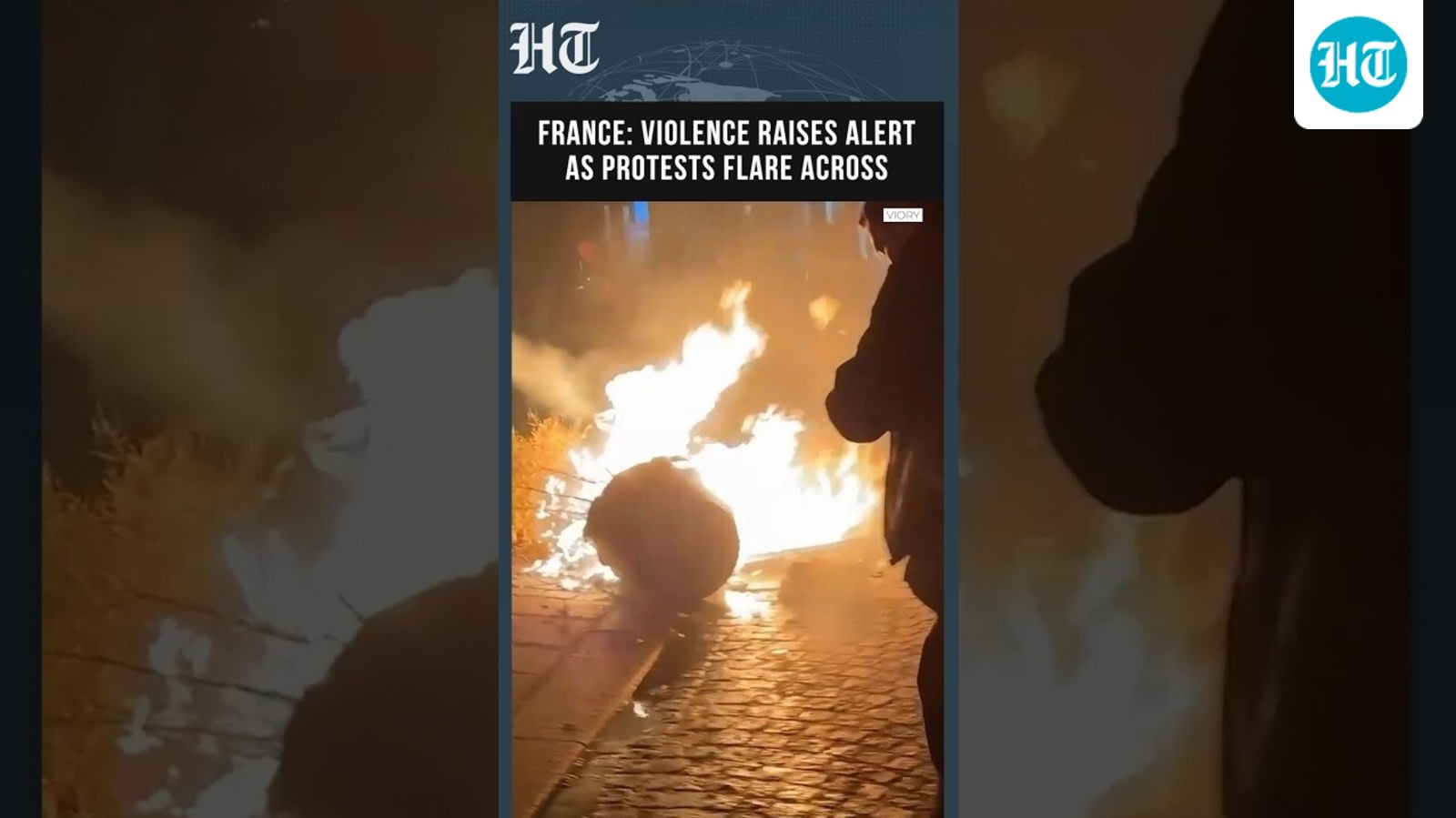
France is experiencing widespread civil unrest fueled by public frustration over rising living costs and declining public services. Violent protests have led to property damage, including the destruction of a historic town hall, forcing authorities to deploy tear gas and water cannons.
The Escalation of Civil Unrest in France
France has entered a period of significant domestic instability as widespread protests, initially sparked by grievances over the cost of living and the degradation of public services, have descended into violent confrontation. Reports from October 17 confirm that what began as expressions of public anger have manifested in severe clashes between demonstrators and law enforcement, with incidents of looting and property destruction reported across multiple urban centers.
The Destruction of Civic Infrastructure
The most alarming aspect of the current unrest is the direct targeting of state symbols and infrastructure. The destruction of a historic town hall by fire serves as a potent indicator of the intensity of the protesters' frustration. By targeting these iconic structures, demonstrators are moving beyond simple street marches, signaling a deeper breakdown in the social contract and a rejection of established governance, which poses a significant challenge to the state’s ability to maintain public order.
Tactical Response and Police Intervention
In response to the escalating violence, French authorities have deployed heavy-handed security measures, including the use of tear gas and water cannons. This tactical response reflects the government's urgent need to contain the chaos and protect property. However, such measures often create a feedback loop of tension; the presence of riot police and the use of crowd-control munitions have only served to further galvanize some segments of the protest movement, complicating the government’s efforts to de-escalate the situation.
Broader Economic and Social Context
The unrest in France is not an isolated phenomenon but is deeply rooted in systemic economic pressures. Citizens are grappling with the compounding effects of inflation, rising fuel prices, and a perceived decline in the quality of essential public services. These issues have created a fertile ground for social upheaval, as the populace increasingly feels that their financial security is being eroded by policies beyond their control.
Regional Comparisons and Future Implications
The current climate in France bears striking similarities to recent unrest in other European nations, such as Italy, where police have also clashed with protesters in cities like Milan. These regional parallels suggest that Europe is facing a wider crisis of confidence in economic management and public service delivery. As authorities continue to assess the security situation, the government must balance the necessity of restoring order with the imperative to address the underlying economic grievances, lest the cycle of violence continue to threaten the stability of the nation.
Multiple Citing Sources
Verification Required?