France hit by worst unrest in years as attempts to rein in government spending meet citizen ire
Source Entity
US Top News and Analysis
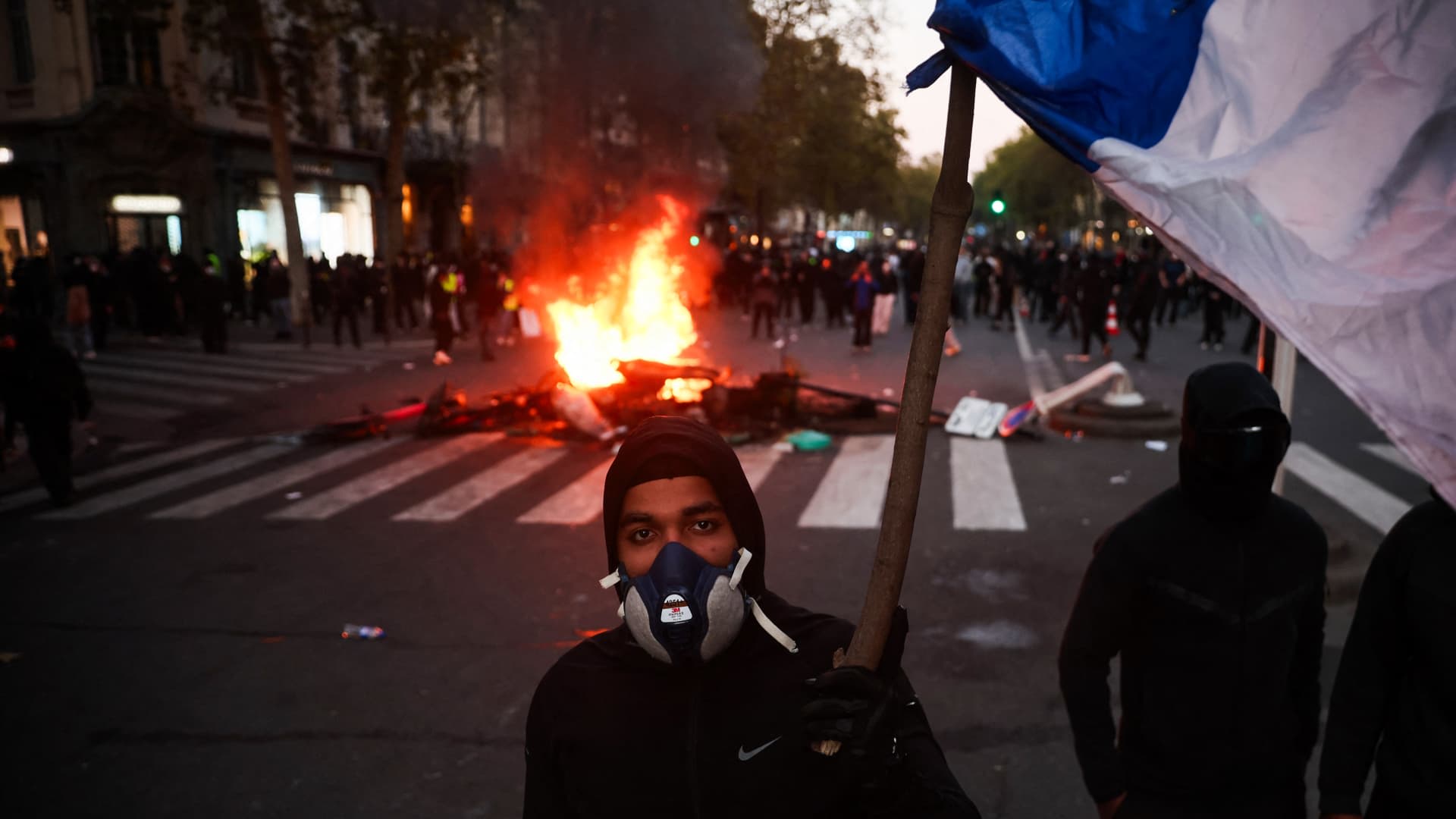
France is grappling with its most severe civil unrest in years, fueled by public anger over the high cost of living and budget cuts. The government has responded with mass arrests and localized curfews to restore order ahead of a critical budget vote.
The Resurgence of Civil Unrest in France
France is currently experiencing its most intense period of domestic instability in recent years, as widespread demonstrations against the high cost of living have devolved into significant civil unrest. The volatility, which saw thousands of arrests and extensive property damage, reflects deep-seated public frustration regarding economic conditions and the perceived erosion of public services. This convergence of economic grievances has created a combustible environment, challenging the current administration's ability to maintain public order while pushing forward with its fiscal agenda.
The Economic Catalyst for Mobilization
The root of the current unrest stems from a nationwide mobilization protesting the rising cost of living and increasing fuel prices. For many citizens, these economic pressures have reached a breaking point, leading to a unified front of various interest groups demanding policy intervention. The scenes captured in Paris, including images of protesters at the Boulevard des Capucines, underscore the intensity of this movement. The public's anger is not merely directed at inflation, but also at the government's approach to managing public spending, which many fear will exacerbate their financial insecurity.
Government Response and Security Implications
The state’s reaction has been swift and severe, characterized by a massive security mobilization. With nearly 2,400 arrests reported and significant injuries sustained by both protesters and nearly 1,000 members of the police and gendarmerie, the situation has escalated into a major crisis for the government. Prime Minister Sébastien Lecornu has moved to implement localized curfews in several northern cities, signaling a tactical shift toward containment and the potential declaration of a broader state of emergency to prevent further rioting.
Political Stakes and the Budget Vote
President Macron’s vow of an “uncompromising” response highlights the high-stakes political environment ahead of a critical budget vote. The government is attempting to rein in public spending, a move that is diametrically opposed to the demands of the protesters who are calling for social support and relief. This disconnect between the executive branch's fiscal strategy and the electorate's lived reality suggests that the administration is navigating a precarious path where legislative success might come at the cost of further social fragmentation.
Future Trends and Social Cohesion
Looking ahead, the government’s ability to stabilize the nation will depend on its capacity to address the underlying economic anxiety without appearing to capitulate to the violence that has marred the demonstrations. If the proposed budget remains unchanged, the risk of continued mobilization remains high. The broader implication is a potential long-term shift in French policing policies and a re-evaluation of how the state balances fiscal responsibility with the maintenance of social peace in an era of global economic uncertainty.