India Wanted Red Flags On Sugary Drinks, Chips. Food Giants Pushed Back
Source Entity
NDTV News Search Records Found 1000
India's food regulator, FSSAI, is aggressively cracking down on misleading health claims and labeling violations by major food corporations. Companies like Mondelez, Amway, and Nestle are revising packaging and withdrawing advertisements following over 150 regulatory notices.
FSSAI Enforcement: A New Era of Food Accountability
India's food industry is currently undergoing a significant regulatory shift as the Food Safety and Standards Authority of India (FSSAI) intensifies its enforcement drive against misleading advertisements and labeling discrepancies. This campaign, marked by the issuance of over 150 notices to major food business operators, signals a departure from industry-standard marketing practices that have long prioritized growth over nutritional transparency. By targeting companies like Mondelez India Foods, Amway India, and Juza Foods, the regulator is establishing a firmer stance on consumer protection.
The Catalyst for Change: Misleading Claims
The current regulatory pressure stems from a growing scrutiny of health claims that often lack scientific validation. The most prominent example involves Mondelez India Foods, which has recently withdrawn health and nutrient-comparison claims for its Bournvita brand. This follows public outcry in 2023 regarding the product's high sugar content and its targeted marketing toward children. The FSSAI’s intervention forces a necessary re-evaluation of how 'health' is defined and communicated in the processed food sector.
Industry-Wide Impact and Compliance
The breadth of the FSSAI’s action is extensive, impacting a wide array of multinational and domestic giants. Companies including Nestlé India, PepsiCo, Coca-Cola India, Abbott India, Red Bull, Danone, Monster Energy, Ferrero, and Kenvue have all been named by the regulator. The immediate response from these firms—revising packaging, removing '100%' health claims, and withdrawing advertisements from e-commerce platforms—suggests that the industry is being forced to prioritize compliance to avoid further legal and reputational damage.
The 'Red Flag' Debate
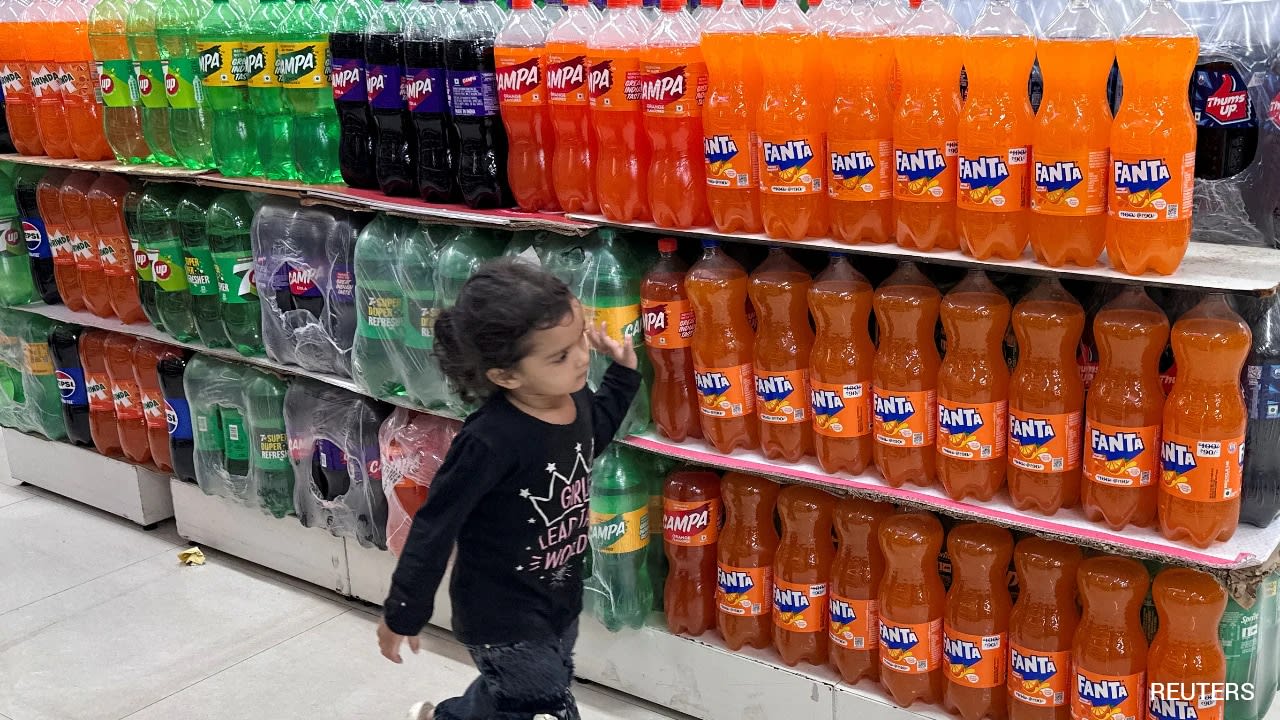
Beyond current labeling, there is a broader, ongoing tension regarding the transparency of ingredients. Reports indicate that global food giants like Coca-Cola and Nestle have pushed back against proposals to introduce 'red flag' warning labels on sugary drinks and chips. These labels, intended to alert consumers to high levels of sugar, salt, and fat, represent a major threat to the business models of these corporations, which rely heavily on the mass consumption of processed goods.
Future Trends and Consumer Protection
Looking ahead, this crackdown likely signals the beginning of a more rigorous regulatory environment in India. As consumer awareness regarding nutrition and health grows, the FSSAI is positioning itself as a proactive guardian of public health. We can expect to see stricter scrutiny of digital marketing and social media advertisements, which have historically been less regulated than traditional media. The long-term trend points toward a 'clean label' movement, where manufacturers will be required to provide clear, evidence-based nutritional information to maintain market access.
Conclusion
In conclusion, the FSSAI's recent actions represent a pivotal moment for food safety in India. By challenging the marketing strategies of industry titans, the regulator is fostering a culture of accountability. While companies like Coca-Cola and Nestle have largely declined to comment on specific policy pushbacks, the collective withdrawal of misleading claims by other major players confirms that regulatory pressure is producing tangible, albeit forced, corporate reform.
Verification Required?