Delhi taxi, transporters association to march to Parliament over ethanol-blended petrol
Source Entity
The Indian Express
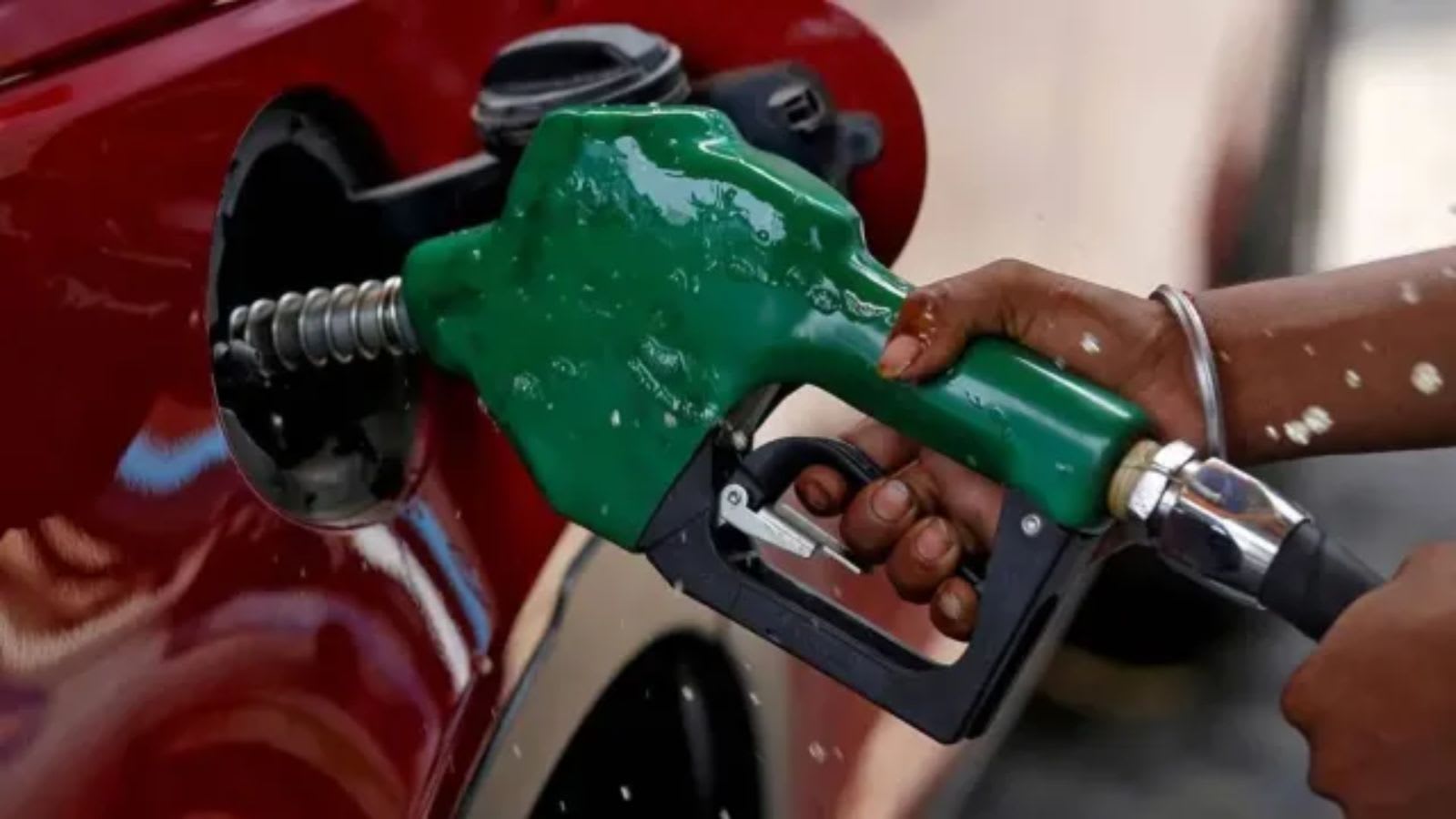
Transport and fuel associations in Delhi and Pune are protesting against operational and policy-related fuel issues. Delhi taxi operators are challenging the E20 ethanol-blended petrol policy, while Pune CNG dealers are threatening a strike over persistent low pressure and infrastructure failures.
Fuel Sector Unrest: Examining the Challenges in Delhi and Pune
The Delhi Protest: Ethanol-Blending Policy Under Scrutiny
The Delhi Taxi and Tourist Transporters and Tour Operators Association has formally announced a protest march to Parliament scheduled for August 4. This demonstration centers on the government’s E20 ethanol-blended petrol policy, which the association argues is ill-suited for the existing vehicle fleet. President Sanjay Samrat has highlighted that many vehicles manufactured prior to 2015 were not engineered to handle high ethanol concentrations, leading to significant concerns regarding engine integrity and long-term viability.
Economic and Technical Implications of E20 Fuel
Central to the transporters' grievances are reports of reduced fuel efficiency and escalating maintenance costs. By integrating 20% ethanol into petrol, the government aims to reduce oil import bills and promote agricultural output; however, the transition is creating a friction point between policy goals and operational reality. The association’s demand for an independent scientific review signals a lack of confidence in the current technical assessment of how ethanol blends interact with older combustion engines.
The Pune CNG Crisis: Infrastructure and Operational Failures
Simultaneously, the fuel sector in Maharashtra is facing a different, albeit equally disruptive, crisis. CNG dealers in Pune, represented by the Petrol Dealers Association Pune (PDAP), have issued a 24-hour ultimatum to Maharashtra Natural Gas Limited (MNGL). The core issue is a month-long deficiency in pipeline pressure, which has severely hampered the refueling process across the city.
Public Impact and Dealer Liability
The repercussions of the low pressure are twofold: economic loss for the dealers and significant public inconvenience. Because of the slow dispensing rates, long queues of vehicles have spilled onto public roads, causing traffic congestion that has drawn ire from local authorities. Dealers are currently caught in the middle, facing financial strain and public backlash for a supply-side failure they claim is entirely beyond their control.
Broader Implications for India’s Energy Transition
Both incidents highlight the growing pains associated with India's evolving energy landscape. Whether through the aggressive push for ethanol blending or the scaling of CNG infrastructure, the transition is hitting bottlenecks at the point of service. The government and energy distributors must address these technical and infrastructure hurdles to ensure that policy shifts do not inadvertently cripple the transport sector or public transit efficiency.
Conclusion and Future Outlook
As the August 4 protest approaches and the 24-hour deadline for Pune CNG dealers looms, the urgency for a resolution is clear. The transport and retail fuel sectors are signaling that current operational frameworks are insufficient to handle the rapid changes in fuel composition and supply logistics. Moving forward, a collaborative approach involving scientific audits and infrastructure investment will be essential to mitigating these tensions.
Multiple Citing Sources