Who after Satwik-Chirag in Indian badminton’s doubles pipeline?
Source Entity
Latest News: Todays Latest News Headlines from India & World | Hindustan Times | Hindustan Times
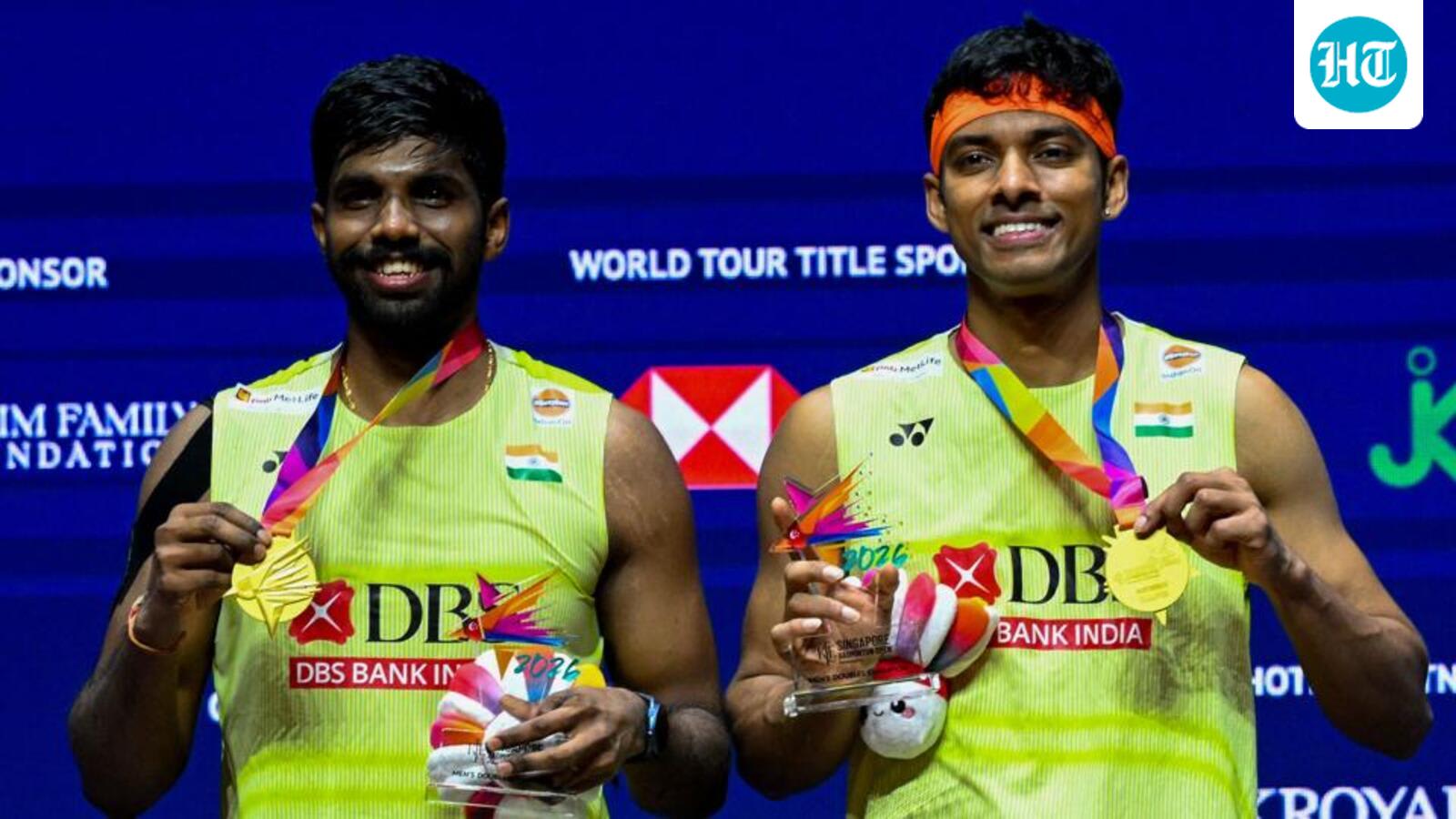
As Satwiksairaj Rankireddy and Chirag Shetty lead India's hopes at the BWF World Championships, experts warn of a talent vacuum in the doubles pipeline. National coach Pullela Gopichand emphasizes that structural reforms and early specialization are essential to sustain India's elite status.
The Future of Indian Doubles: Beyond the Satwik-Chirag Era
As the Indian badminton contingent gears up for the upcoming BWF World Championships, the spotlight remains firmly fixed on the formidable duo of Satwiksairaj Rankireddy and Chirag Shetty. Their consistent performance on the global stage has set a new benchmark for Indian doubles, yet their success has inadvertently masked a significant structural concern: the lack of a robust pipeline to nurture the next generation of world-class pairs.
The Dependency Challenge
While Rankireddy and Shetty have become household names, their dominance highlights a precarious reliance on a single pair for international success. In the high-stakes arena of professional badminton, relying on one pair is a strategic vulnerability. The current narrative suggests that while India has the raw talent, the transition from grassroots potential to podium-ready professionalism remains inconsistent and largely unoptimized.
Gopichand’s Vision for Reform
Chief national coach Pullela Gopichand has identified this bottleneck, arguing that the status quo is insufficient for long-term dominance. According to his assessment, bridging the gap between current grassroots participation and the world’s elite requires an engineered system. This involves moving away from ad-hoc training methods toward a more centralized, data-driven approach to player development.
The Necessity of Early Specialization
One of the core tenets of the proposed overhaul is early talent specialization. Badminton doubles requires a unique skill set—distinct from singles—that demands specific tactical awareness, chemistry, and movement patterns. By identifying and training doubles specialists at a younger age, India can foster the specialized expertise needed to compete against the established powerhouses of Asia and Europe.
Structural Coordination and Sustainability
Beyond individual talent, the future of the sport depends on a comprehensive overhaul of the developmental ecosystem. This includes better coordination between regional academies and the national setup to ensure a seamless progression for emerging athletes. Without a structured pipeline, the risk of losing promising talent to burnout or lack of guidance remains high.
Looking Ahead
As India looks toward future Olympic cycles and international tournaments, the focus must shift from individual brilliance to systemic excellence. The path forward involves creating a supply chain that can consistently produce elite pairs. If the current momentum is to be maintained, the implementation of the reforms suggested by the national coaching staff will be the deciding factor in whether India remains a consistent force in world badminton.
Verification Required?