Gadi Eisenkot has a chance to form a new government in Israel
Source Entity
Latest News: Todays Latest News Headlines from India & World | Hindustan Times
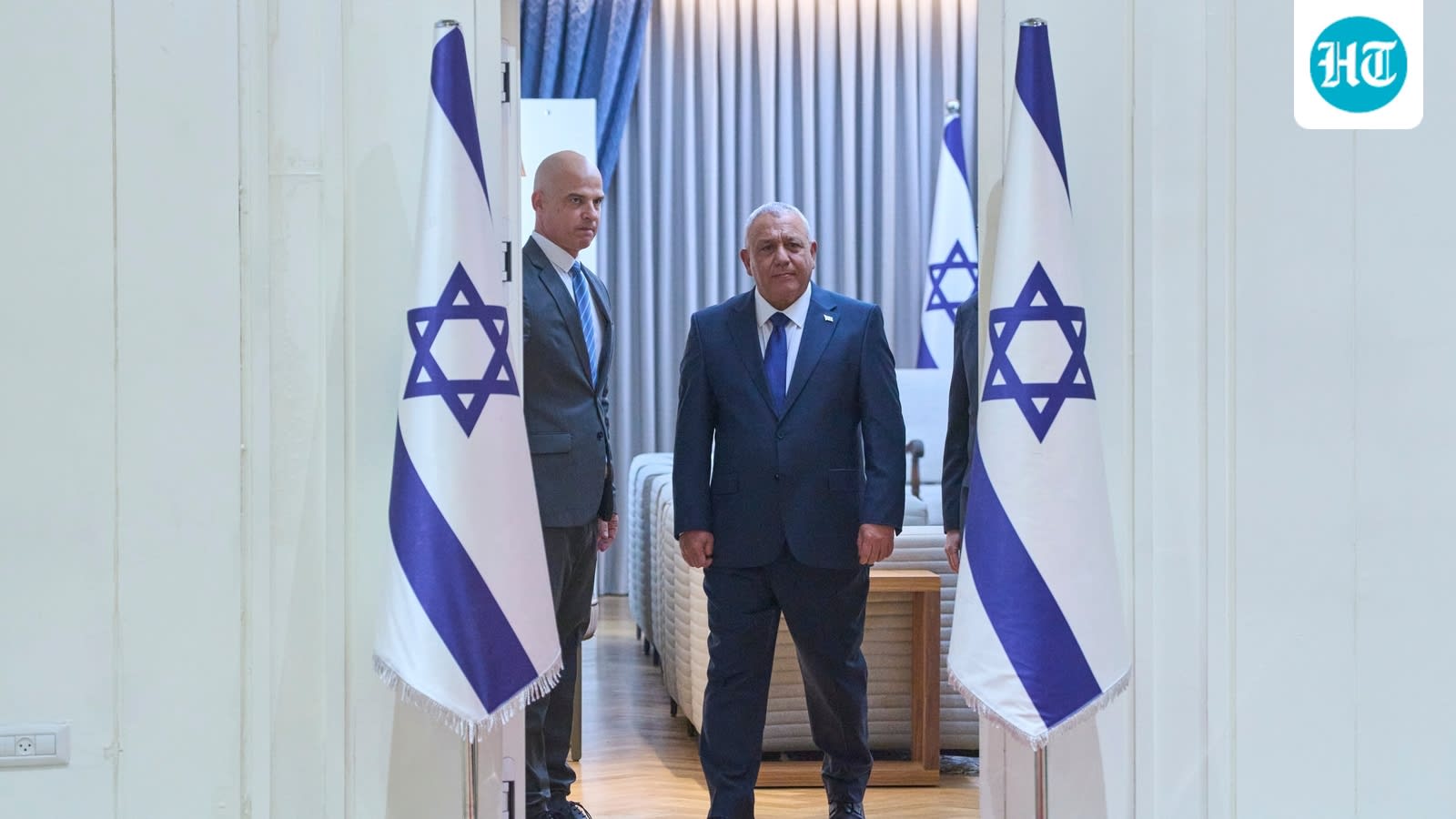
Gadi Eisenkot has been tasked with forming Israel's next government amid a complex parliamentary deadlock. While he holds initial support from 67 lawmakers, he faces significant hurdles in coalition building, leaving the door open for a potential Benjamin Netanyahu comeback or further elections.
The Fragility of Israeli Governance: Eisenkot’s Challenge
The Israeli political landscape is currently navigating a period of intense uncertainty as Gadi Eisenkot, the former army chief, attempts to navigate the complex task of forming a government. Following recent elections, Eisenkot has been granted a six-week mandate to secure a parliamentary majority. While he successfully garnered recommendations from 67 lawmakers, the path to a functional governing coalition remains fraught with ideological friction and structural challenges that define the current era of Israeli politics.
The Arithmetic of Coalition Building
At the heart of the current crisis is the precarious nature of the 67-seat backing Eisenkot has secured. Coalition building in Israel is rarely a matter of simple majority; it requires delicate negotiation between parties with fundamentally divergent agendas. Eisenkot’s potential partners are deeply divided over the inclusion of Arab parties and ultra-Orthodox factions, both of which serve as potential kingmakers. Without a consensus on these alliances, Eisenkot’s coalition remains vulnerable to collapse before it even takes office, highlighting the volatility of the Knesset's current composition.
Netanyahu’s Strategy and the Push for Unity
Benjamin Netanyahu, despite losing his parliamentary majority, remains a central figure through his leadership of the Likud, which continues to hold the status of the largest party in the legislature. Netanyahu has actively framed the potential inclusion of Arab parties in an Eisenkot-led government as a existential threat, aiming to delegitimize his rival's efforts. Simultaneously, Netanyahu has proposed a national unity government—a move that serves as both a defensive measure to counter Eisenkot’s momentum and a strategic maneuver to maintain his own political relevance.
The Role of the Presidency and National Stability
Israeli President Isaac Herzog has injected a sense of urgency into the proceedings by signaling a strong preference for a national unity government to resolve the impasse. This intervention underscores the broader concern that the current political deadlock could lead to institutional paralysis. Eisenkot has responded by proposing a national emergency government centered on four key principles, attempting to bridge the gap between disparate political factions to provide the country with a stable executive branch.
Future Outlook: Between Stability and Repeat Elections
If Eisenkot fails to cement his coalition within the allotted 42 days, the political clock resets, potentially offering Benjamin Netanyahu a renewed opportunity to reclaim the premiership. However, if both leaders find themselves unable to reconcile the competing demands of their respective political blocs, the country faces the prospect of yet another election. This cycle of recurring polls has become a hallmark of recent years, testing the resilience of Israeli democratic processes and leaving the public awaiting a decisive resolution to the ongoing leadership struggle.
Multiple Citing Sources
Verification Required?