Trump to meet Qatar's prime minister at White House as Iran peace talks face hurdles
Source Entity
Latest News: Todays Latest News Headlines from India & World | Hindustan Times
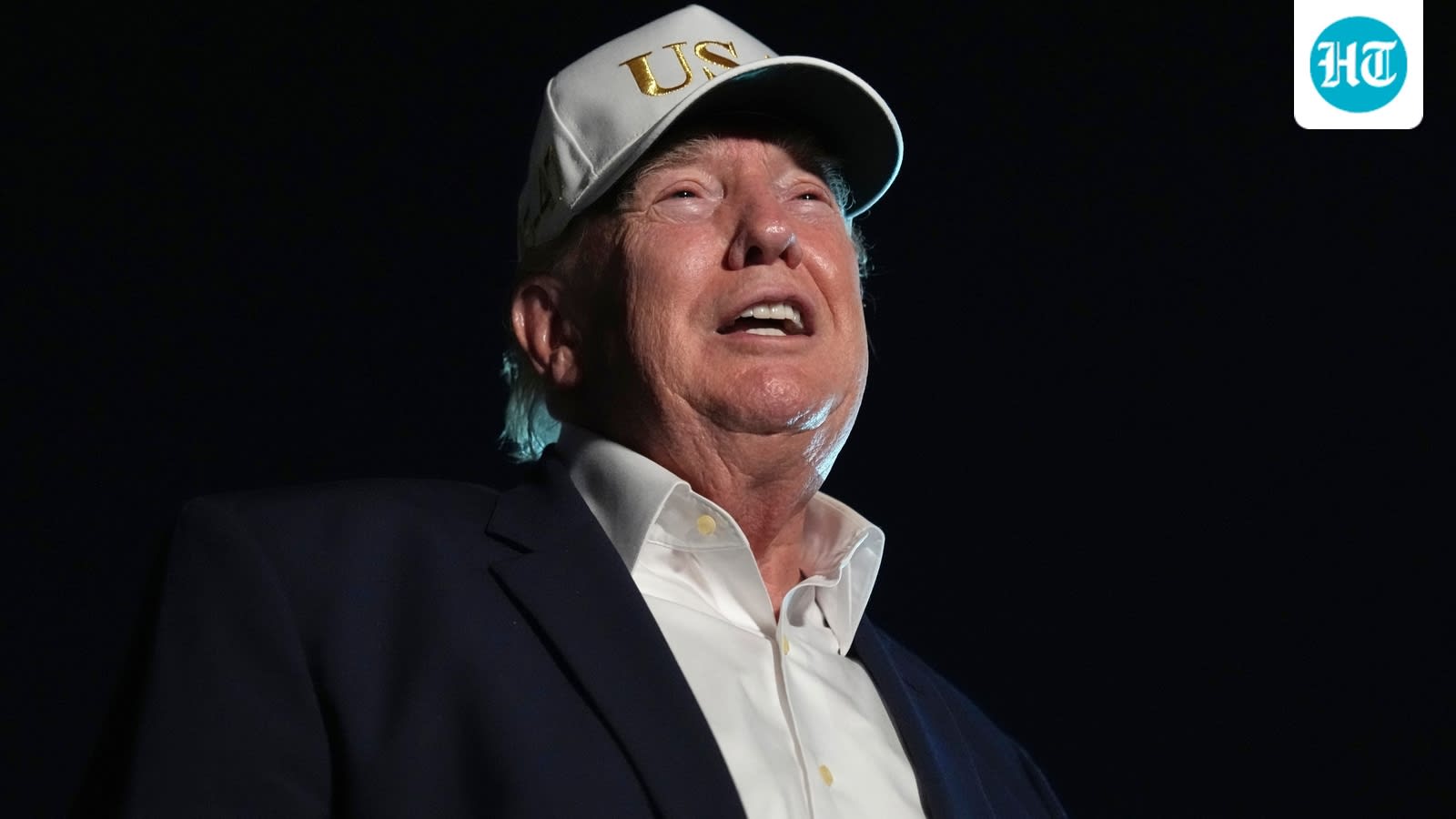
President Donald Trump is meeting with Qatar's Prime Minister to discuss new diplomatic proposals aimed at easing tensions with Iran. The talks involve high-level White House engagement, including Vice President JD Vance, as Doha continues its role as a key mediator.
Diplomatic High-Stakes: Trump and Qatar's Mediation Efforts
President Donald Trump is set to host Qatar’s Prime Minister and Foreign Minister, Sheikh Mohammed bin Abdulrahman Al-Thani, at the White House this Monday. This high-level meeting occurs at a critical juncture in U.S.-Iran relations, as Doha seeks to leverage its unique position as an intermediary to advance stalled negotiations. The meeting, which will also include Vice President JD Vance, underscores the administration's willingness to explore diplomatic channels despite the ongoing volatility surrounding the Iranian nuclear and regional security issues.
Qatar’s Strategic Role as Mediator
Qatar has long established itself as a vital diplomatic bridge between Washington and Tehran. By maintaining open lines of communication with both capitals, the Qatari government acts as a conduit for proposals that might otherwise struggle to gain traction in more formal, public settings. The current push by Doha involves presenting new, specific proposals aimed at de-escalating the conflict. These efforts are essential to the administration's goals, as Secretary of State Marco Rubio has publicly framed the current approach toward Iran as a strategic necessity, aimed specifically at neutralizing nuclear threats.
Navigating Significant Obstacles
Despite the optimism surrounding the meeting, the path toward a resolution remains fraught with difficulty. The conflict has persisted, and diplomatic efforts have frequently faced significant obstacles, ranging from deep-seated mutual distrust to conflicting regional priorities. The fact that the meeting is being held behind closed doors suggests that the discussions will focus on sensitive, high-stakes concessions or confidence-building measures that require discretion to be effective.
The Administrative Approach
President Trump’s engagement with the Qatari leadership signals a pragmatic turn in his administration's foreign policy. While the administration has maintained a firm stance on security threats posed by Tehran, the inclusion of Vice President JD Vance in the talks indicates a broad, coordinated effort to address these challenges. By engaging directly with the Prime Minister, the White House is signaling that while the administration is prepared to exert pressure, it is also actively seeking a viable diplomatic off-ramp to avoid further escalation.
Future Implications and Regional Stability
Looking ahead, the success of these proposals will likely depend on the willingness of both Washington and Tehran to move beyond rigid rhetoric. If Qatar’s new proposals can bridge the gap on critical security concerns, it could lead to a temporary cooling of tensions that have dominated the geopolitical landscape. However, given the historical complexities of the U.S.-Iran relationship, this meeting should be viewed as a measured step in a long process rather than an immediate solution to the underlying regional friction.
Verification Required?