'Propaganda against E20 was a paid campaign': Gadkari as govt paves way for E100 fuel
Source Entity
AASTHA JHA
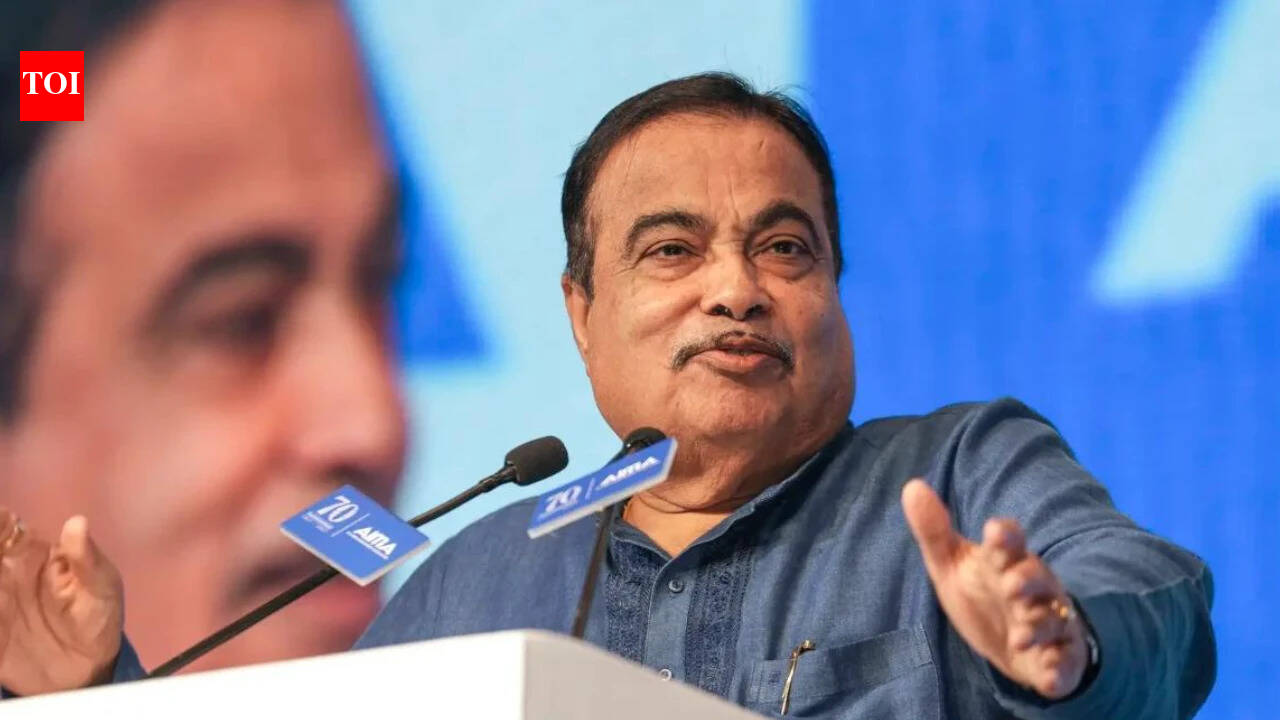
Union Minister Nitin Gadkari has dismissed negative narratives surrounding E20 fuel as a coordinated paid campaign. The government is now shifting focus toward the adoption of E100 fuel to bolster energy independence.
The Strategic Pivot to E100: Debunking Ethanol Myths
Union Minister for Road Transport and Highways, Nitin Gadkari, recently addressed the persistent criticism surrounding E20 fuel—gasoline blended with 20% ethanol—by characterizing the negative discourse as a deliberate, paid propaganda campaign. This assertion highlights a significant friction point between the government's aggressive push for green energy and existing skepticism within the automotive and fuel sectors. By labeling these critiques as manufactured, the administration is signaling a firm commitment to its biofuel roadmap despite pushback.
The Context of E20 and the Path to E100
The Indian government has been steadily increasing ethanol blending percentages to reduce reliance on crude oil imports, which account for a massive portion of the nation's import bill. The transition to E20 was a major milestone in this journey, intended to lower emissions and provide a more sustainable fuel mix. With the government now paving the way for E100 (pure ethanol) fuel, the focus is shifting from simple blending to the actual utilization of high-blend fuels in specialized engines, marking a broader transition toward a bio-based economy.
Analyzing the 'Paid Campaign' Allegation
Minister Gadkari’s claim that anti-E20 sentiment was a paid campaign suggests that the resistance was not merely technical or environmental, but potentially economic. The adoption of ethanol significantly disrupts traditional oil supply chains and the interests of stakeholders reliant on pure petroleum products. By framing the opposition as a coordinated effort, the government is attempting to discredit the narrative that ethanol blending damages engines or is inefficient, thereby clearing the regulatory and public opinion path for higher ethanol integration.
Economic and Environmental Implications
The shift toward E100 is not just an environmental initiative; it is a macroeconomic policy designed to empower the agricultural sector. Ethanol production utilizes sugarcane and surplus grains, effectively turning farmers into 'energy providers.' This integration of the agricultural supply chain into the energy sector is intended to boost rural incomes while simultaneously reducing the national trade deficit through decreased petroleum dependence.
Technological Hurdles and Future Trends
While the government promotes E100, the transition requires significant technological adaptation. Automotive manufacturers must produce vehicles compatible with high-ethanol content to ensure engine longevity and efficiency. Looking ahead, the success of this policy will depend on the government's ability to standardize fuel quality, incentivize the manufacturing of flex-fuel vehicles, and ensure that the supply chain for ethanol is robust enough to meet the demands of a high-blend future.
Conclusion: Moving Beyond the Resistance
The government’s move to facilitate E100 fuel reflects a long-term vision to redefine India's energy landscape. Despite the challenges and the alleged organized propaganda against earlier initiatives like E20, the push for cleaner, indigenous fuel sources remains a core priority. As the policy evolves, the focus will likely remain on overcoming technical barriers and fostering a market environment where high-ethanol fuels can thrive, ultimately aiming for a sustainable, energy-secure future.