The studio behind Pokémon struggles to find its voice in Beast of Reincarnation
Source Entity
Andrew Webster
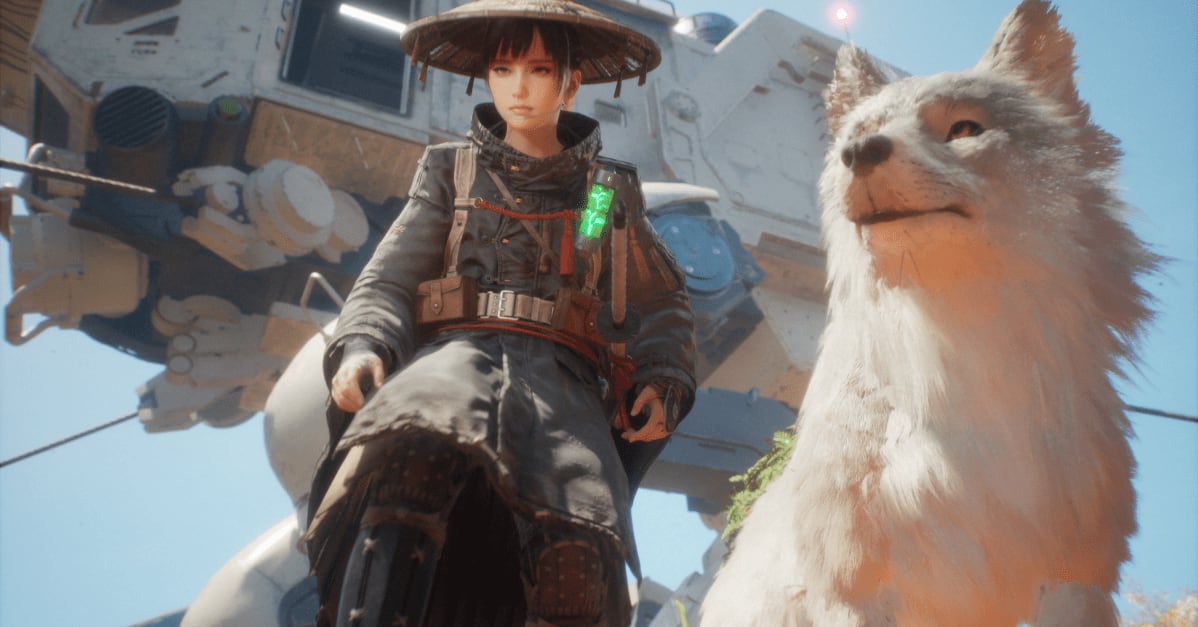
Game Freak, the studio behind Pokémon, has released an action title called Beast of Reincarnation. Despite the studio's reputation for creativity, critics find the game lacks innovation and relies on familiar tropes.
The Creative Evolution of Game Freak
Game Freak has long been defined by its "machinelike precision" in delivering mainline Pokémon adventures. For decades, the studio has balanced the immense pressure of maintaining one of the world's most profitable franchises with a desire to experiment. By launching titles that deviate from their core brand—ranging from action games featuring militarized elephants to card-based horse racing simulations—the studio has consistently signaled a desire to prove it is capable of more than just pocket monsters.
The Promise of Beast of Reincarnation
The announcement of Beast of Reincarnation was met with significant anticipation, as it represented a rare opportunity for an established developer to step into the realm of the blockbuster action game. Fans and industry analysts alike viewed this as a potential turning point, a moment where a studio known for creature-collecting RPGs could demonstrate its versatility in the high-stakes world of modern action-adventure gaming. The premise, set 2,000 years in the future, suggested a bold departure into a new narrative and aesthetic territory.
Challenges in Narrative Innovation
However, the transition has proven difficult. While the game boasts "slick action," feedback indicates that Beast of Reincarnation struggles to distinguish itself in a crowded market. The core criticism lies in a lack of fresh ideas, with many reviewers noting that the title relies on mechanics and tropes that have been seen many times before. For a studio accustomed to inventing unique systems for the Pokémon franchise, the derivative nature of this project serves as a stark reminder of how challenging it is to compete with established giants in the action genre.
The Burden of Brand Identity
This struggle highlights a broader industry trend: the difficulty of pivoting away from a monolithic brand. When a developer is synonymous with a single, highly successful property, the audience expectations for any new intellectual property become exceptionally high. Beast of Reincarnation serves as a case study in why breaking free from a successful franchise is not just a creative challenge, but a technical and design-oriented hurdle that requires more than just high-quality production values.
Future Implications for the Studio
Looking ahead, Game Freak faces a pivotal crossroads. While the studio’s experimentation is commendable, the performance of Beast of Reincarnation may influence how they approach future non-Pokémon projects. If the studio intends to maintain its status as a multi-genre developer, it will need to ensure that its future titles bring as much innovation to the table as they do technical polish. The gaming industry is increasingly unforgiving of titles that prioritize style over unique substance, and Beast of Reincarnation serves as a lesson in the necessity of deep mechanical originality.