‘We’ve got to be careful’: Ex-CDS flags Pak's 'overconfidence' after Mecca Pact
Source Entity
YASHASVI VASISTHA
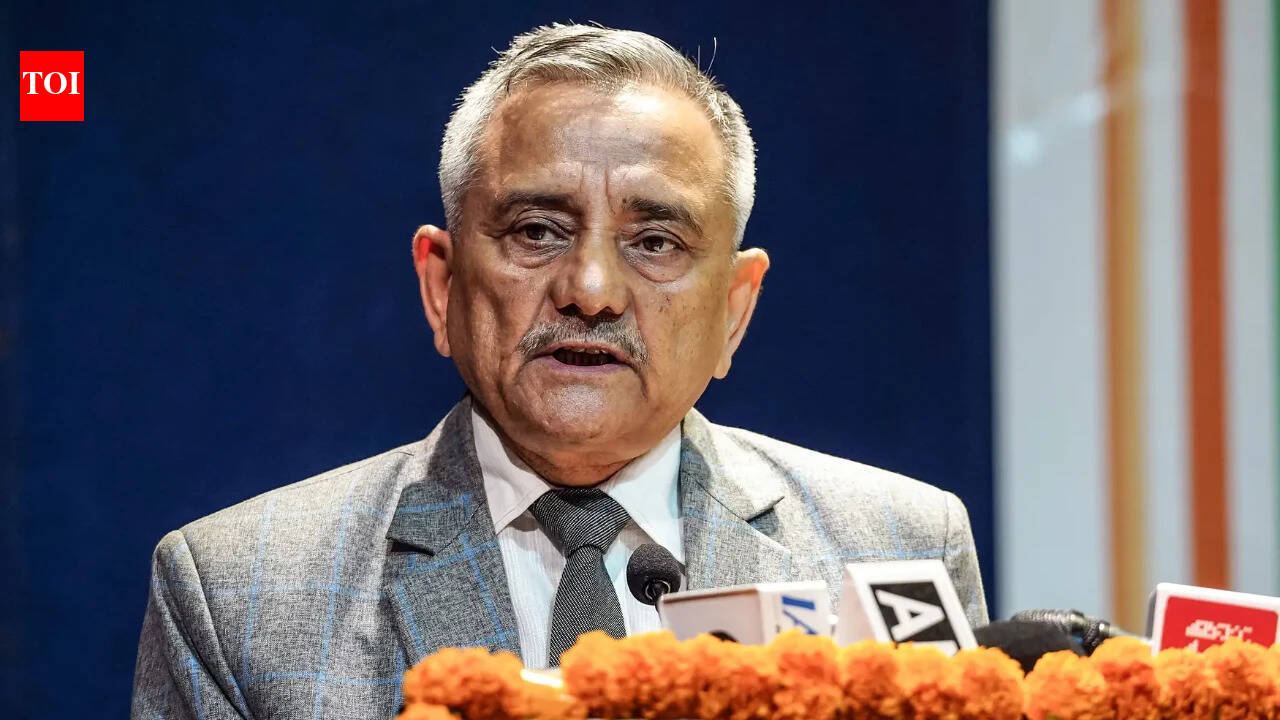
Former CDS Gen Anil Chauhan has warned that Pakistan remains a primary security threat to India, driven by persistent terrorism and proxy warfare. He emphasized the need for India to heighten the costs of these strategies while accelerating military modernization.
Strategic Vigilance: Analyzing Gen Anil Chauhan’s Assessment of Pakistan
The Persistent Security Challenge
Former Chief of Defence Staff (CDS) General Anil Chauhan has issued a stark assessment regarding India’s western neighbor, asserting that Pakistan will remain a significant security concern for the foreseeable future. This analysis is rooted in the long-standing reality of Pakistan's geopolitical strategy, which continues to prioritize proxy warfare and terrorism as instruments of state policy against India. By highlighting these entrenched behaviors, Gen Chauhan underscores that despite shifting regional alliances or internal economic pressures, the core adversarial stance toward India remains unchanged.
The Impact of Recent Alliances
General Chauhan specifically flagged an emerging sense of 'overconfidence' within Pakistan following the recent 'Mecca Pact.' While the specifics of this defense arrangement are evolving, the former CDS warns that such external partnerships can embolden state actors to miscalculate their strategic standing. When a nation perceives newfound military or diplomatic backing, it often leads to a recalibration of aggression, potentially manifesting in increased cross-border volatility or intensified support for non-state actors operating along the Line of Control.
The Doctrine of Escalating Costs
Central to India's defensive posture, according to Gen Chauhan, is the imperative to 'raise the cost' of Pakistan’s reliance on proxy warfare. This strategy implies a move beyond traditional deterrence toward a more proactive framework where the economic, military, and diplomatic consequences for engaging in sub-conventional conflict become unsustainable for Islamabad. By systematically increasing these costs, India aims to force a strategic rethink in Pakistan, shifting the burden of conflict back onto the aggressor.
Modernizing for Future Warfare
Beyond the specific threat of Pakistan, Gen Chauhan emphasized that the nature of modern warfare is undergoing a rapid metamorphosis. Future engagements will not be limited to conventional land or air battles but will require seamless integration across all domains, including cyber, space, and electronic warfare. The pace of technological adaptation is now a defining factor of national security; therefore, the Indian armed forces must prioritize agility and cross-domain synergy to maintain a decisive edge over adversaries.
Strategic Synthesis and Future Outlook
As the geopolitical landscape shifts—marked by global power realignments and the potential for new security blocs—India’s focus must remain unwavering. General Chauhan’s warnings serve as a critical reminder that regional stability cannot be assumed. For India, the path forward involves a dual approach: vigilant containment of immediate threats posed by Pakistan and a long-term commitment to the holistic modernization of its military apparatus to meet the demands of 21st-century conflict.