Trump Planning "Something Much Bigger" For Middle East After Iran War: Report
Source Entity
NDTV News Search Records Found 1000
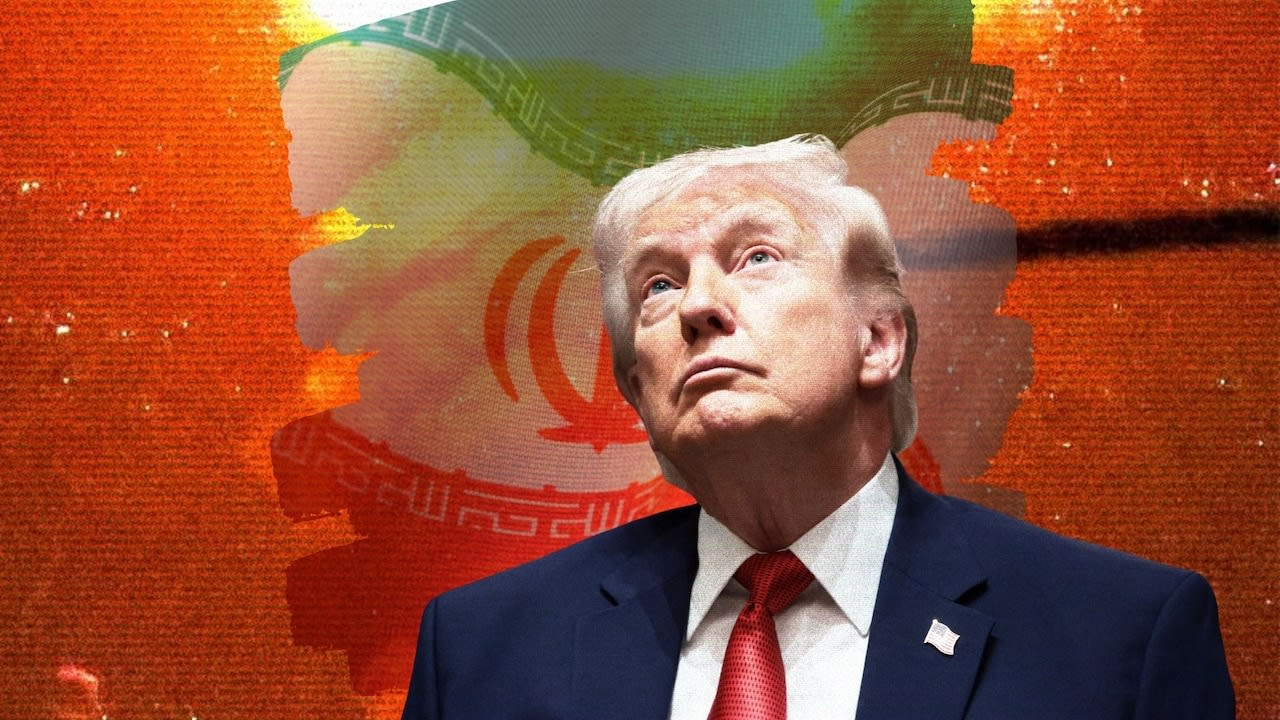
President Trump is reportedly drafting a comprehensive post-Iran war strategy for the Middle East aimed at regional containment and normalization. The initiative focuses on long-term stability and is intended to guide U.S. policy throughout the remainder of his term.
The Strategic Pivot: Trump’s Post-Iran War Vision
Recent reports indicate that President Donald Trump is actively developing a comprehensive, high-stakes strategy for the Middle East, characterized by administration officials as "something much bigger." This initiative, currently in the early stages of drafting, suggests a pivot toward a post-conflict architecture that will define the region following the conclusion of the ongoing hostilities involving Iran. By convening multiple high-level meetings in recent weeks, the administration is signaling a proactive approach to reshaping regional dynamics.
Containing Tehran and Redefining Influence
The central pillar of this emerging strategy is the containment of Iran’s regional influence. After the cessation of the current war, the Trump administration seeks to solidify a security framework that limits Tehran’s ability to project power through proxy networks and ballistic capabilities. This objective aligns with a long-standing U.S. priority to stabilize the Middle East by curbing what Washington perceives as destabilizing Iranian expansionism across the Levant and the Arabian Peninsula.
Expanding the Normalization Framework
Beyond containment, the strategy emphasizes the expansion of normalization efforts between Israel and its regional neighbors. Building upon the historical precedent of previous diplomatic agreements, the administration aims to integrate Israel further into the regional security and economic fabric. By fostering these ties, the U.S. hopes to create a unified front that provides a buffer against Iranian aggression while encouraging long-term economic cooperation and intelligence sharing among traditional rivals.
Independence from Domestic Political Cycles
One of the most significant aspects of this reported plan is the administration’s intention to push forward regardless of the outcome of Israeli elections. This suggests a desire to institutionalize U.S. policy in the region, ensuring that the "reset" remains viable despite the volatile nature of domestic politics within partner nations. By decoupling the strategy from specific political cycles, the White House aims to provide a consistent, long-term roadmap for its allies.
Shaping the Final Years of the Administration
The development of this policy serves as a cornerstone for the final two years of President Trump’s term. By setting these goals now, the administration is attempting to cement a legacy of regional transformation. The focus is not merely on ending the current conflict, but on establishing a new status quo that permanently alters the balance of power in the Middle East, moving away from crisis management and toward a structured, alliance-based containment model.
Future Trends and Regional Implications
As the strategy moves from the drafting phase to implementation, the success of the initiative will depend on the willingness of regional actors to align with Washington’s vision of a post-Iran war order. If successful, this could herald a period of unprecedented diplomatic integration. However, the complexity of the regional landscape suggests that the administration will face significant challenges in balancing the security needs of its partners with the goal of regional stability, making this one of the most critical policy developments of the current term.
Verification Required?