Father spends $800,000 on land for tiny-home community for disabled adults
Source Entity
TOI WORLD DESK
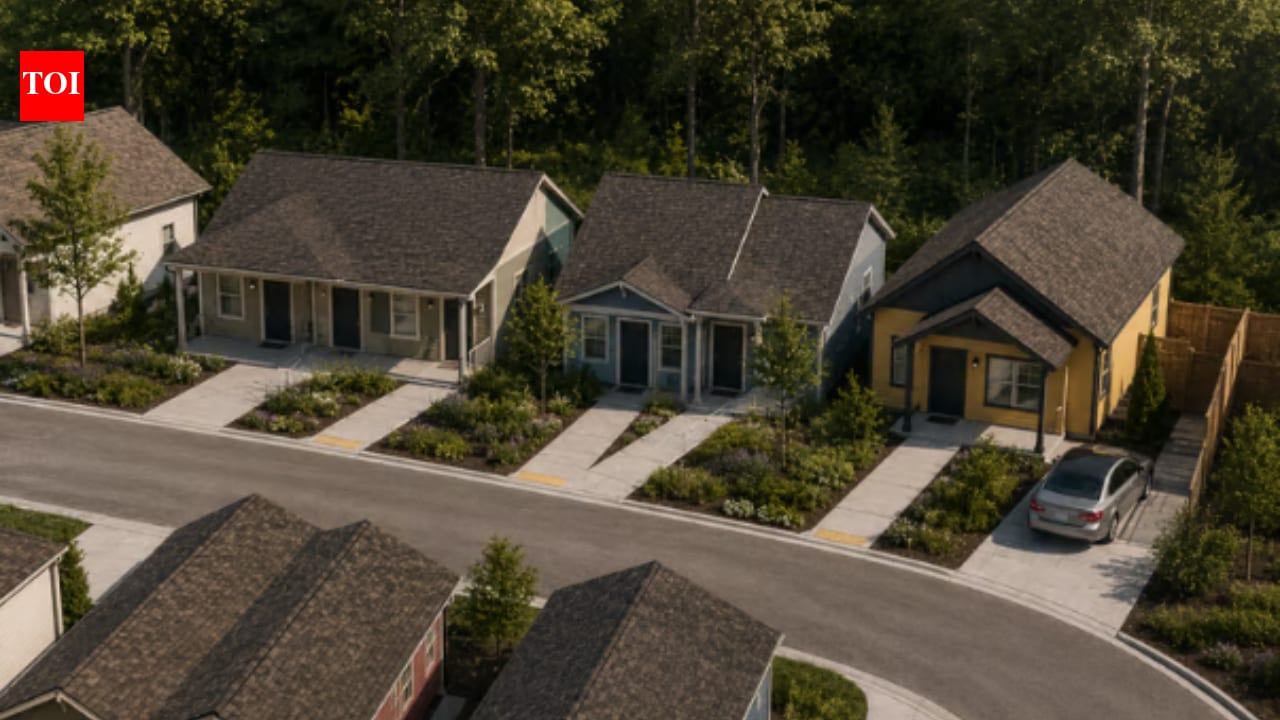
Dave Curro is developing Forest Grove, a specialized community featuring 20 tiny homes for adults with developmental disabilities. The project addresses a critical housing shortage and has garnered significant local support through fundraising efforts.
A Vision for Inclusion: The Forest Grove Initiative
Dave Curro, a 69-year-old father, has taken a significant step toward solving a pressing societal issue by launching the development of Forest Grove. Driven by the personal goal of securing a stable, supportive future for his son, Bret, who lives with a developmental disability, Curro has purchased five acres of land near the intersection of Carver Street and Guess Road for $800,000. This initiative represents a proactive approach to the long-standing challenges faced by families of individuals with special needs.
Addressing the Housing Gap
The core of the Forest Grove project is the construction of 20 tiny homes, designed to provide autonomy and comfort for residents. For many adults with developmental disabilities, independent living is often out of reach due to a severe shortage of specialized housing options. By creating a dedicated residential environment, Curro is filling a critical void that traditional housing markets often ignore, offering a blueprint for how private initiatives can bridge systemic gaps in social infrastructure.
Beyond Housing: A Community-Centric Model
Forest Grove is not merely a residential development; it is designed as a holistic support system. The inclusion of a community center—complete with a catering kitchen, meeting spaces, and multi-purpose rooms—highlights a focus on social integration and daily support. By providing shared spaces, the project aims to foster a sense of belonging and community, which is essential for the emotional and social well-being of the target population.
Community Support and Momentum
The project has already demonstrated significant community traction, underscored by a recent festival that raised substantial funds to support the development. This public enthusiasm indicates a growing awareness of the need for inclusive housing solutions. The support from the broader public suggests that Forest Grove is tapping into a shared desire for more compassionate and accessible community planning.
Future Implications and Scaling
While Forest Grove is currently a singular project, its success could serve as a replicable model for other regions facing similar housing crises. As the population of adults with special needs continues to grow, the necessity for innovative, cost-effective, and community-oriented housing will only increase. Curro’s effort proves that with the right planning, dedicated individuals can create meaningful, life-altering impacts for vulnerable populations.
Conclusion
Dave Curro’s commitment to Forest Grove stands as a testament to the power of personal motivation in driving large-scale social change. By investing his resources into a structured, supportive community, he is not only securing his son's future but also providing a vital service to others in similar circumstances. The progress at Forest Grove offers a hopeful glimpse into the future of inclusive living.