Majority Russian-speaking city in Ukraine considers language ban in the arts
Source Entity
BBC News
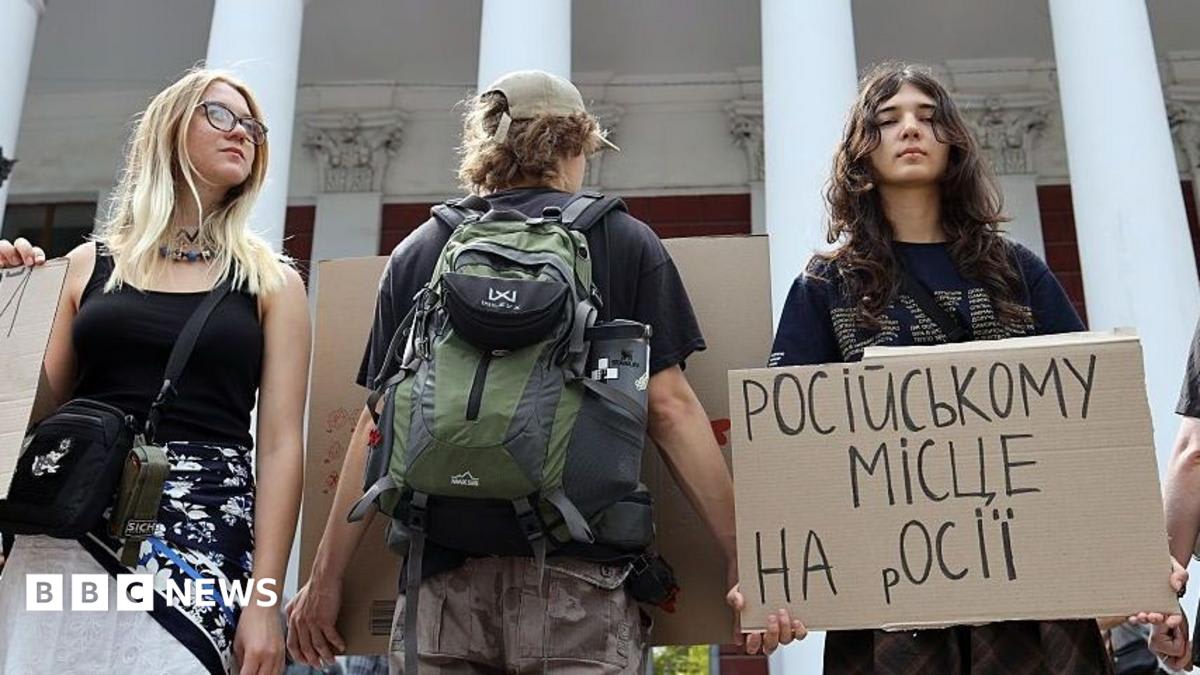
Odesa, a traditionally Russian-speaking city in Ukraine, is set to vote on a proposal to ban Russian-language content in public arts. This move reflects ongoing efforts to reduce Russian cultural influence amidst the ongoing conflict.
The Cultural Crossroads of Odesa
Odesa, Ukraine’s third-largest city and a historic port on the Black Sea, finds itself at a critical juncture. Local councillors are currently deliberating on a controversial proposal that would prohibit the use of the Russian language within the sphere of public arts, specifically targeting music and literature. This move, while localized, serves as a microcosm of the broader identity struggle currently unfolding across Ukraine as the nation seeks to consolidate its cultural sovereignty in the face of ongoing military aggression.
Navigating Linguistic Identity
The significance of this proposal cannot be overstated, given that Odesa has historically been an overwhelmingly Russian-speaking city. For millions of Ukrainians, including those actively serving on the front lines against invading forces, Russian remains a native tongue. However, the move to restrict its presence in the public arts represents a strategic effort to disentangle Ukrainian national identity from the cultural influence of a neighbor that is currently targeting the city with daily drone and missile strikes.
Legislative Context and Public Scope
It is important to distinguish the scope of this potential ban. The proposal is designed to complement existing national legislation that has already sought to elevate the Ukrainian language as the sole official state language. Crucially, the restrictions being debated in Odesa apply specifically to public performances and the distribution of arts-related content. Everyday conversation and private usage of the Russian language remain unaffected, ensuring that the city's diverse linguistic fabric is not entirely dismantled, but rather redirected in the public square.
The Geopolitical Implications of Language
For many in Ukraine, the Russian language is increasingly viewed as a conduit for political influence and cultural hegemony from Moscow. By curbing the presence of Russian in the arts, local authorities in Odesa are taking a symbolic stand to prioritize the Ukrainian language as the unifying medium for the country's future. This transition is not merely administrative; it is a profound societal shift intended to reinforce national unity during a period of existential threat.
Future Trends and Social Cohesion
The outcome of this week’s vote will likely set a precedent for other regions grappling with similar demographic and cultural realities. As the war continues to shape the geopolitical landscape of Eastern Europe, the push toward 'de-Russification' in public life is likely to accelerate. Whether this policy succeeds in fostering a stronger sense of Ukrainian identity without alienating the Russian-speaking population remains a complex challenge that will define the region's social cohesion for years to come.