In first one-on-one with a foreign diplomat, Nepal PM Balen Shah meets Indian envoy
Source Entity
Shubhajit Roy
Nepal PM Balen Shah has pivoted to direct diplomatic engagement with India, while Bangladesh PM Tarique Rahman is pressing India for the extradition of Sheikh Hasina. These developments underscore significant shifts in South Asian regional geopolitics and security cooperation.
Shifting Diplomatic Paradigms in South Asia
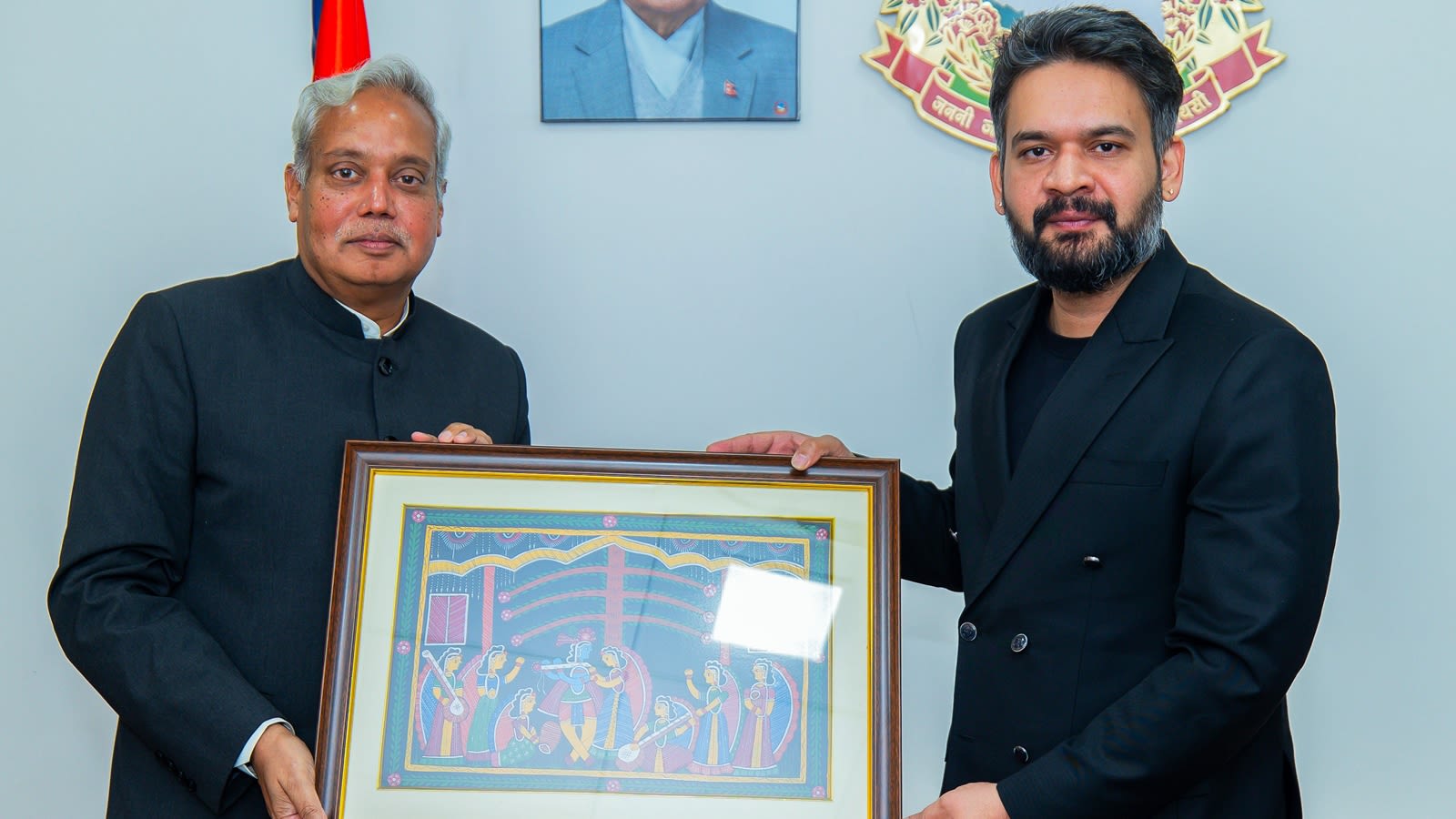
Recent diplomatic maneuvers in Kathmandu and Dhaka signal a notable realignment in regional engagement strategies. The meeting between Nepal’s Prime Minister Balen Shah and Indian Ambassador Naveen Srivastava marks a significant departure from Shah’s previously stated policy of restricting his engagements to heads of state or government. By opting for this one-on-one dialogue, Shah is signaling a pragmatic shift toward prioritizing bilateral cooperation and development partnerships, recognizing that the complexities of Nepal-India relations often require direct, high-level diplomatic channels.
Nepal’s Pragmatic Pivot
The decision by Prime Minister Shah to meet Ambassador Srivastava at Singhadurbar highlights the necessity of maintaining fluid communication between Kathmandu and New Delhi. Historically, the Nepal-India relationship has been characterized by deep economic and cultural ties, yet it remains sensitive to shifts in leadership. By moving past his initial refusal to engage with officials below the rank of head-of-state, Shah is acknowledging that the multifaceted nature of the bilateral relationship—ranging from infrastructure development to border security—demands consistent, high-level bureaucratic and diplomatic interaction.
Tensions in Dhaka-New Delhi Ties
Simultaneously, the political landscape in Bangladesh has grown increasingly tense. Prime Minister Tarique Rahman’s formal request to Indian High Commissioner Dinesh Trivedi regarding the extradition of former Prime Minister Sheikh Hasina marks a critical flashpoint. This demand follows provocative remarks made by the ousted leader while in India, which have clearly strained the diplomatic atmosphere. Rahman’s emphasis on creating a 'conducive environment' for bilateral relations suggests that Dhaka is linking the stability of its partnership with India to the resolution of this contentious extradition issue.
The Role of Security Intelligence
The complexity of the current regional situation is further underscored by the concurrent visit of an Indian security delegation led by R&AW chief Parag Jain to Dhaka. The delegation's engagement with the Directorate General of Forces Intelligence (DGFI) indicates that while political rhetoric remains heated, both nations are prioritizing the continuity of security and intelligence cooperation. This 'dual-track' approach—where political disputes exist alongside high-level security dialogue—is a hallmark of the volatile yet interdependent nature of South Asian geopolitics.
Future Outlook and Regional Stability
Looking ahead, the ability of these nations to balance domestic political pressures with the necessity of regional stability will be the primary test for their respective administrations. For Nepal, the challenge lies in sustaining development partnerships while navigating internal political expectations. For Bangladesh, the pressure to address the extradition of a former leader could test the limits of its diplomatic patience with New Delhi. As these events unfold, the reliance on established diplomatic protocols and intelligence-sharing will remain essential to preventing minor bilateral frictions from escalating into long-term regional instability.