Mazama Energy has a solution for geothermal’s biggest drilling problem
Source Entity
Tim De Chant
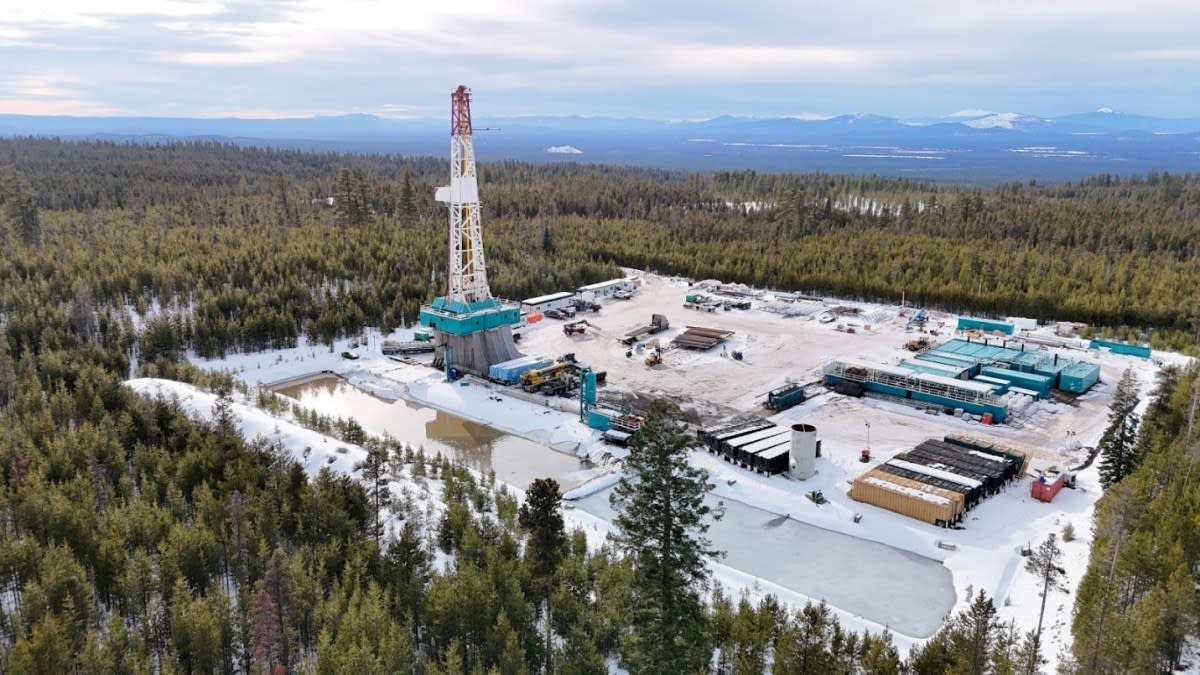
Startups Mazama Energy and Bedrock Energy are revolutionizing geothermal drilling through advanced cooling and AI-guided technology. These innovations aim to drastically reduce drilling costs, potentially transforming geothermal energy into a more competitive and scalable power source.
The Geothermal Drilling Revolution: Innovation at Depth
Geothermal energy has long been viewed as the 'holy grail' of renewable power, offering the elusive promise of 24/7 baseload electricity. However, the industry has historically been hampered by the prohibitive costs and technical difficulties associated with drilling into the Earth's crust. Two startups, Mazama Energy and Bedrock Energy, are now addressing these core challenges by fundamentally altering how we interact with the subsurface.
Overcoming Thermal Barriers with Carbon Chill
The primary technical hurdle in geothermal exploration is the paradox of heat: while heat is the desired output of the project, it is the primary enemy of the drilling process. High temperatures damage traditional drill bits, leading to frequent, costly interruptions. Mazama Energy, backed by Khosla Ventures, has introduced a proprietary technology called 'Carbon Chill.' By utilizing carbon dioxide as a cooling agent, the system effectively manages bit temperatures while simultaneously clearing cuttings from the borehole. This innovation has already demonstrated a 20% increase in the rate of penetration, allowing for faster and deeper drilling than previously feasible.
AI-Driven Efficiency in Building Infrastructure
While Mazama focuses on deep-well geothermal for power generation, Bedrock Energy is targeting the commercial building sector by optimizing geothermal heat pumps. These systems utilize the Earth's constant underground temperature to provide efficient heating and cooling. Despite their long-standing existence, adoption has been limited by high upfront installation costs. Bedrock is disrupting this market with AI-directed drill rigs that claim to reduce drilling time by up to 80%. This significant reduction in labor and time has garnered investor confidence, as evidenced by their recent $24 million funding round, following successful seed and Series A raises.
The Economic Implications of Faster Drilling
The success of both companies hinges on a simple economic premise: if you can drill faster and deeper, you can lower the cost per kilowatt-hour of energy produced or energy saved. By transforming geothermal drilling from a slow, expensive, and high-risk endeavor into a streamlined, automated process, these startups are positioning geothermal energy to compete directly with traditional fossil-fuel-based electrical grids.
Broader Energy Grid Impacts
The implications for the U.S. electrical grid are profound. Bedrock Energy’s approach, in particular, could free up significant capacity on the grid by reducing the reliance of large-scale enterprise buildings on traditional HVAC systems. As these technologies mature, the widespread deployment of geothermal systems could serve as a critical pillar in decarbonization efforts, providing a stable, reliable, and cost-effective alternative to intermittent renewables like wind and solar.
Future Outlook and Scalability
Looking ahead, the integration of AI-guided rigs and advanced cooling technologies like Carbon Chill represents a shift toward the industrialization of geothermal energy. If these startups can maintain their performance gains at scale, the geothermal industry may soon see a rapid expansion in both utility-scale power projects and commercial building retrofits. The sustained investor interest in these companies suggests that the market is finally ready to move beyond the experimental phase and into a new era of geothermal viability.