Tech Companies Are Trying to Shift the Concept of Privacy (Again)
Source Entity
Hacker News
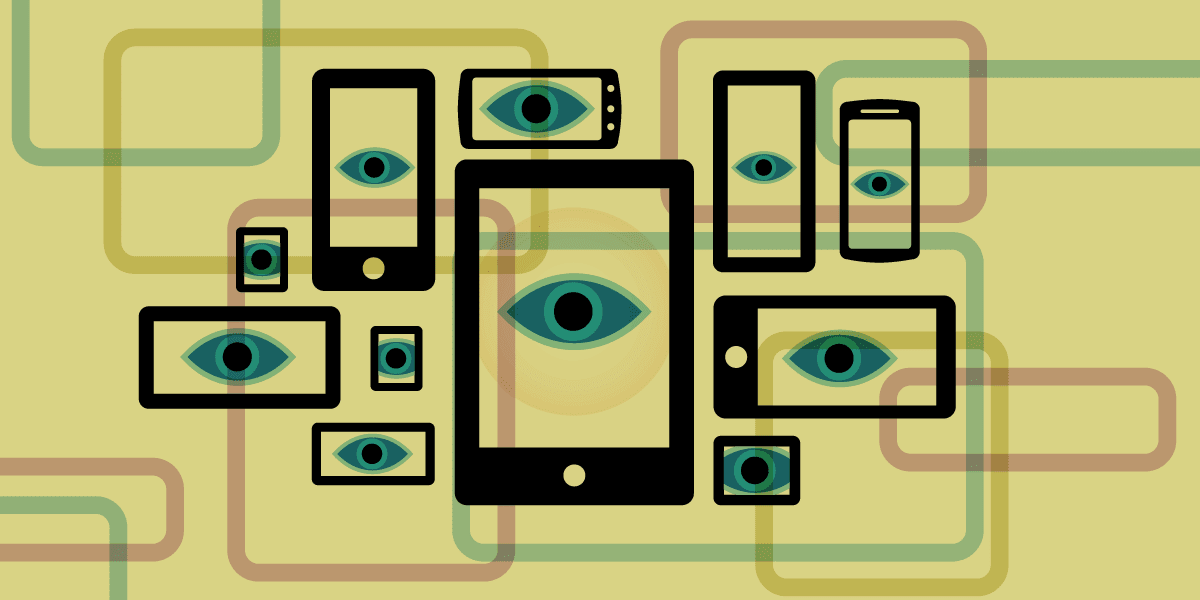
Big tech firms are shifting the definition of privacy by normalizing wearable recording devices that capture surroundings, not just personal data. This trend transforms privacy from an individual choice into a collective concern affecting everyone in public spaces.
The Paradigm Shift: Privacy as a Collective Burden
The traditional understanding of privacy—often framed as an individual right to control one's own data—is undergoing a radical transformation. As major technology corporations like Meta, Google, Apple, and Amazon push deeper into the wearable market, the concept of privacy is being redefined. It is no longer merely about what a user chooses to share; it is about the constant, passive recording of the environment, which inadvertently captures the actions, conversations, and likenesses of those surrounding the device wearer.
The Proliferation of Ambient Surveillance
The current wave of consumer hardware, ranging from smart glasses that record visual input to AI-powered pendants and transcription-heavy smartwatches, represents a shift toward ambient surveillance. Apple’s Audio Intelligence and Amazon’s Bee devices exemplify this trend, effectively turning everyday wearables into continuous recording machines. Because these devices are designed to document the owner's day, they inevitably capture the private interactions of bystanders who have not consented to be recorded, effectively stripping the public of their expectation of anonymity.
Privacy as a 'Team Sport'
Privacy has historically been treated as a personal choice, but the reality of interconnected software and cloud-based communication tools has always suggested it is a 'team sport.' When one individual utilizes a collaborative platform or cloud backup solution, they inherently involve others in their data footprint. This new generation of wearables accelerates this phenomenon, as one person’s choice to wear a recording device forces privacy compromises upon everyone in their immediate vicinity, regardless of their own digital security preferences.
The AI Integration Factor
What distinguishes this current wave of technology from earlier iterations of recording devices is the integration of artificial intelligence. These devices do not just store raw footage or audio; they use AI to transcribe, summarize, and interpret the world in real-time. By transforming raw data into actionable insights, these companies are creating a high-fidelity digital record of human interaction that was previously impossible to maintain at scale. This capability raises significant questions about the long-term storage and ownership of these 'summaries' of daily life.
Broader Societal Implications
As these devices become ubiquitous, the social contract regarding public space is being rewritten. If every individual possesses the ability to record and transcribe their surroundings, the spontaneity of human interaction may be chilled. The normalization of constant recording risks creating a 'panopticon' effect, where the presence of these devices dictates behavior in both public and semi-private settings. We are entering an era where privacy is no longer a default setting but a luxury that is increasingly difficult to defend in an ecosystem driven by constant data harvesting.
Future Trends and Concluding Thoughts
Looking ahead, we can expect a regulatory and cultural pushback against this 'always-on' recording culture. As companies continue to push the boundaries of what is acceptable, the tension between technological convenience and the right to be unobserved will likely become a central debate in digital ethics. The industry must grapple with whether the benefits of personal AI assistance outweigh the erosion of collective privacy, or if we are heading toward a future where the concept of a private moment becomes functionally obsolete.