Germany's Far-Right AfD On Path To Take Over State Assembly For 1st Time
Source Entity
NDTV News Search Records Found 1000
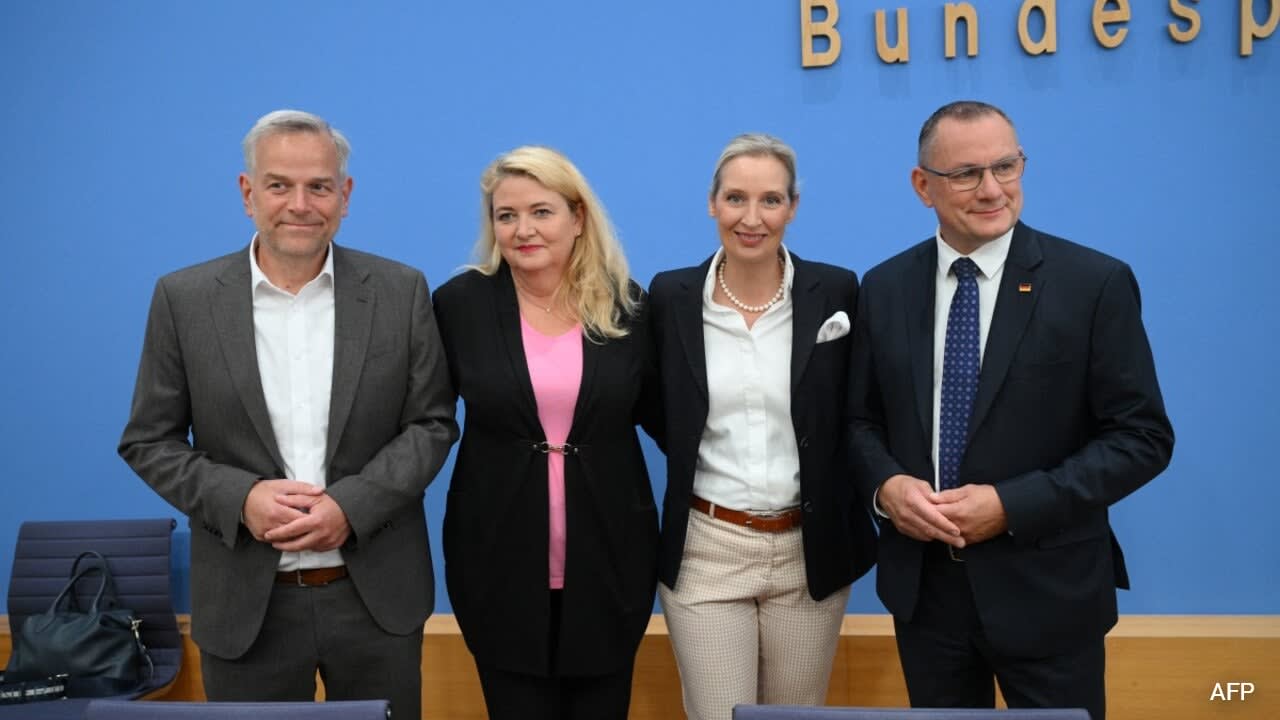
The far-right Alternative for Germany (AfD) party has achieved a historic milestone by narrowly missing an absolute majority in a state assembly election. This result marks the first time the party has positioned itself to potentially take control of a regional legislature.
The AfD’s Historic Surge in German State Politics
The recent election results in Germany have sent shockwaves through the nation’s political landscape, as the far-right Alternative for Germany (AfD) party has moved to the cusp of taking control of a state assembly for the first time in its history. While the party narrowly missed securing an absolute majority, the sheer scale of their electoral performance represents a profound shift in German post-war politics. This outcome signals a significant departure from the traditional consensus-based governance that has long characterized the German federal and state systems.
The Ideological Profile of the AfD
The AfD has built its platform on a foundation of anti-immigration rhetoric and a notably Moscow-friendly foreign policy stance. By tapping into voter anxieties regarding demographic changes and the socio-economic pressures of migration, the party has successfully consolidated a base that feels alienated by the policies of established mainstream parties. Furthermore, their skepticism toward European integration and their willingness to challenge the prevailing geopolitical consensus regarding Russia have made them a polarizing force, both within Germany and across the broader European Union.
Challenges of the 'Cordon Sanitaire'
Historically, German political parties have maintained a 'cordon sanitaire'—a strict refusal to form coalitions with far-right entities to prevent them from gaining executive power. The AfD's near-majority status forces a constitutional and political crisis regarding this tradition. If the party remains the largest faction, the difficulty of forming a governing coalition without their participation becomes exponentially higher, potentially leading to legislative gridlock or minority governments that struggle to pass budgets or enact critical regional policy.
Broader Implications for German Democracy
The surge in AfD support reflects a deeper fragmentation of the German electorate. The erosion of the 'grand coalition' model and the rise of populist movements suggest that the traditional political center is losing its ability to command a majority. This trend is not merely local; it mirrors a wider European pattern where anti-establishment parties are leveraging economic uncertainty and cultural grievances to dismantle the post-Cold War political order.
Future Trends and Regional Governance
Looking ahead, the AfD's influence will likely force mainstream parties to adopt more robust messaging on security and immigration to reclaim their lost voter base. However, the party’s presence in a state assembly provides them with a platform to obstruct regional legislation and utilize public funds and administrative resources to further their political agenda. The coming months will be a litmus test for German democratic institutions as they navigate the complexities of governing in a more polarized, multi-party environment where the far-right is no longer on the fringes but at the gates of power.
Verification Required?