'Ghost font': The font humans can read but AI can't
Source Entity
TOI TECH DESK
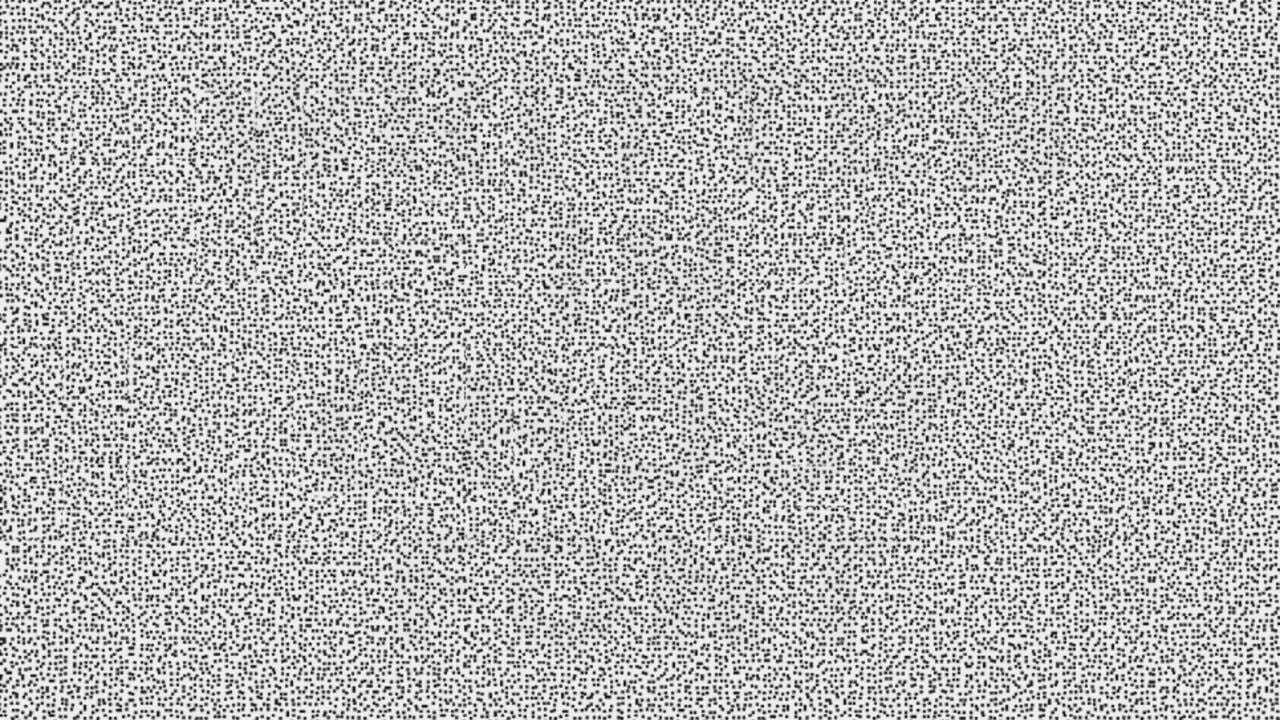
An American developer has created a 'Ghost Font' designed to be legible to humans while remaining indecipherable to AI models. This innovation highlights a novel approach to data privacy and highlights the growing tension between human-readable content and machine-learning processing.
The Emergence of the 'Ghost Font'
In a rapidly evolving digital landscape where artificial intelligence models are increasingly adept at scraping and processing vast amounts of text, a new development has surfaced: the 'Ghost Font.' Created by an American developer, this typeface is specifically engineered to be readable by human eyes while simultaneously confounding advanced AI models. This project marks a significant milestone in the ongoing cat-and-mouse game between human creators and automated data scrapers.
The Mechanics of Machine Confusion
At its core, the 'Ghost Font' likely utilizes subtle visual perturbations or structural inconsistencies that are negligible to the human brain but catastrophic for Optical Character Recognition (OCR) systems and Large Language Models (LLMs). AI models rely on pattern recognition and pixel-based training to interpret text; by introducing noise or unconventional glyph structures, the developer has successfully exploited a vulnerability in the way machines 'see' digital characters. This highlights a fundamental limitation in current AI architecture, which struggles to replicate the nuanced, context-aware interpretation that humans use to decipher ambiguous or stylized text.
Implications for Digital Privacy
This development raises critical questions regarding digital privacy and content ownership. As generative AI continues to scrape the internet for training data, authors and developers are seeking ways to protect their work from unauthorized ingestion. The 'Ghost Font' offers a potential, albeit niche, defensive mechanism. If content creators can publish information that is human-accessible but machine-inaccessible, it could pave the way for a new era of 'AI-proof' digital communication, effectively creating private channels within public spaces.
Historical Context of AI Adversarial Attacks
This is not the first time humans have attempted to 'trick' AI systems. Historically, researchers have experimented with 'adversarial examples'—inputs designed to cause machine learning models to make mistakes. While previous attempts have often focused on image classification, the application of these principles to typography represents a shift toward protecting intellectual property and sensitive text. The 'Ghost Font' serves as a tangible example of how adversarial design can be repurposed for individual agency.
Future Trends in Human-Machine Interaction
Looking forward, we can expect a continued escalation in the arms race between AI developers and those seeking to preserve human-only access to information. As AI models become more sophisticated, the 'Ghost Font' may eventually be rendered obsolete as models are trained to 'de-noise' or adapt to these visual tricks. However, the viral nature of this project underscores a growing public desire for tools that provide autonomy in an AI-saturated world. We are likely to see more projects that emphasize the unique cognitive strengths of humans over the computational power of machines.
Conclusion
The 'Ghost Font' stands as a fascinating intersection of design, ethics, and computer science. By demonstrating that human perception remains distinct from machine processing, the developer has opened a vital conversation about the future of the internet. Whether this becomes a standard tool for digital privacy or remains a curiosity, it serves as a necessary reminder that human ingenuity remains the primary variable in our evolving technological landscape.