ICMR-funded GITAM project aims at blood test for early detection of triple-negative breast cancer
Source Entity
India Latest News: Top National Headlines Today & Breaking News | The Hindu
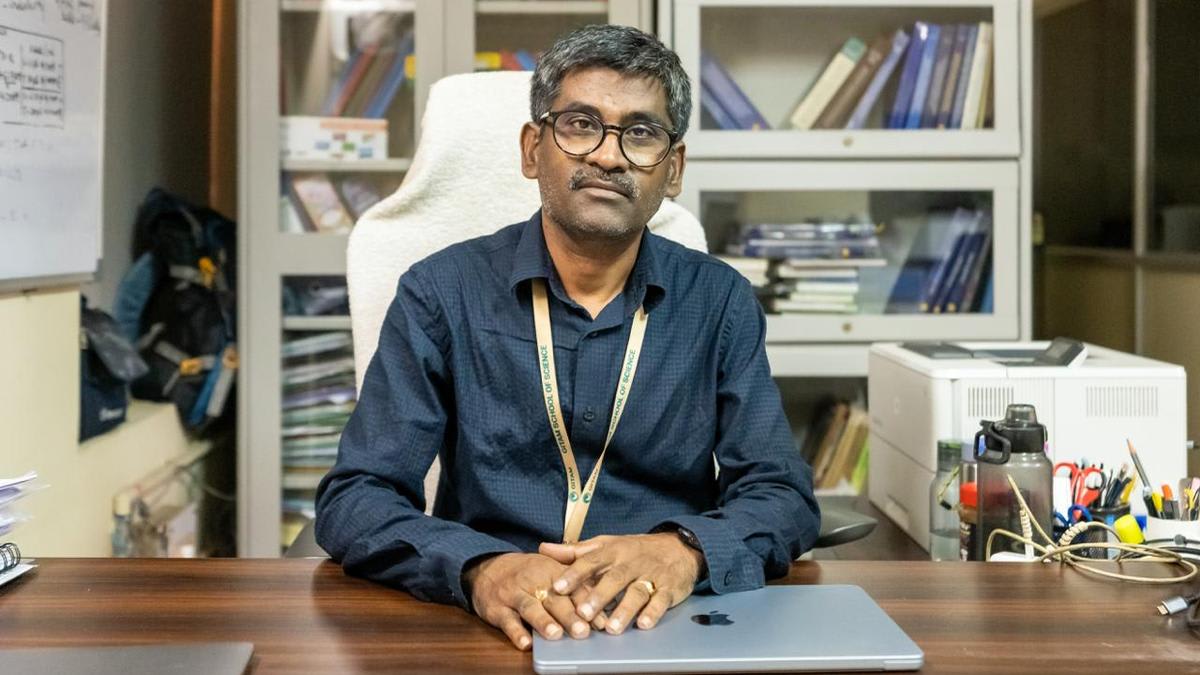
Prof. Rama Rao Malla of GITAM is leading an ICMR-funded project to develop a blood test for the early detection of triple-negative breast cancer. This research aims to improve diagnostic outcomes for one of the most aggressive forms of the disease.
Breakthrough Research in Breast Cancer Diagnostics
In a significant advancement for oncology, researchers at the Gandhi Institute of Technology and Management (GITAM) have launched an Indian Council of Medical Research (ICMR)-funded project aimed at developing a non-invasive blood test for the early detection of triple-negative breast cancer. Triple-negative breast cancer is widely recognized as one of the most aggressive and challenging forms of the disease to treat, primarily due to the lack of common receptors—estrogen, progesterone, and HER2—that typical therapies target. By focusing on a blood-based diagnostic tool, this research seeks to bridge a critical gap in early detection, which is often the most significant factor in patient survival rates.
The Methodology of the Study
The research, spearheaded by Prof. Rama Rao Malla, employs a comparative analytical approach. The project involves a rigorous study of blood samples taken from patients currently in the early stages of breast cancer, which are then measured against samples from healthy women. By identifying specific biomarkers present in the blood of affected individuals, the team aims to establish a reliable screening method that could potentially be integrated into routine clinical practice, allowing for earlier intervention than current imaging or biopsy techniques might permit.
Academic Leadership and Institutional Impact
Prof. Rama Rao Malla brings over three decades of academic experience to this endeavor. A product of Andhra University, his journey from a farmer’s son in Anakapalli to a leading researcher reflects the growing capacity of Indian deemed universities to conduct high-level biomedical research. Since joining GITAM in 2001 and establishing its dedicated cancer research laboratory in 2011 after postdoctoral work at the University of Illinois College of Medicine, Prof. Malla has cultivated a robust academic environment, having guided 14 doctoral scholars in the field of cancer biology.
Broader Implications for Healthcare
The broader implications of this project are substantial. If successful, a simple blood test would significantly democratize access to early cancer detection, particularly in regions where advanced imaging technology like mammography or MRI may be geographically or economically inaccessible. By reducing the reliance on invasive biopsies for initial screening, this test could lower the psychological and physical burden on patients while streamlining the diagnostic pathway for clinicians treating aggressive malignancies.
Future Trends in Cancer Research
This initiative aligns with global trends in 'liquid biopsy' research, which is rapidly transforming the landscape of cancer diagnostics. As science moves toward more personalized medicine, the ability to monitor molecular changes through blood samples offers a dynamic view of disease progression. The support from the ICMR underscores the importance of indigenous research in addressing specific disease burdens within the Indian population, setting a precedent for future studies that combine academic rigor with practical clinical applications.
Conclusion
The collaboration between GITAM and the ICMR represents a vital investment in the future of oncology. By focusing on triple-negative breast cancer, the team is tackling one of the most difficult challenges in modern medicine. As the study progresses, it promises not only to provide a new diagnostic tool but also to strengthen the role of Indian research institutions in the global fight against cancer.
Verification Required?