Why our mothers put steel katori inside pressure cooker while cooking dal
Source Entity
The Indian Express
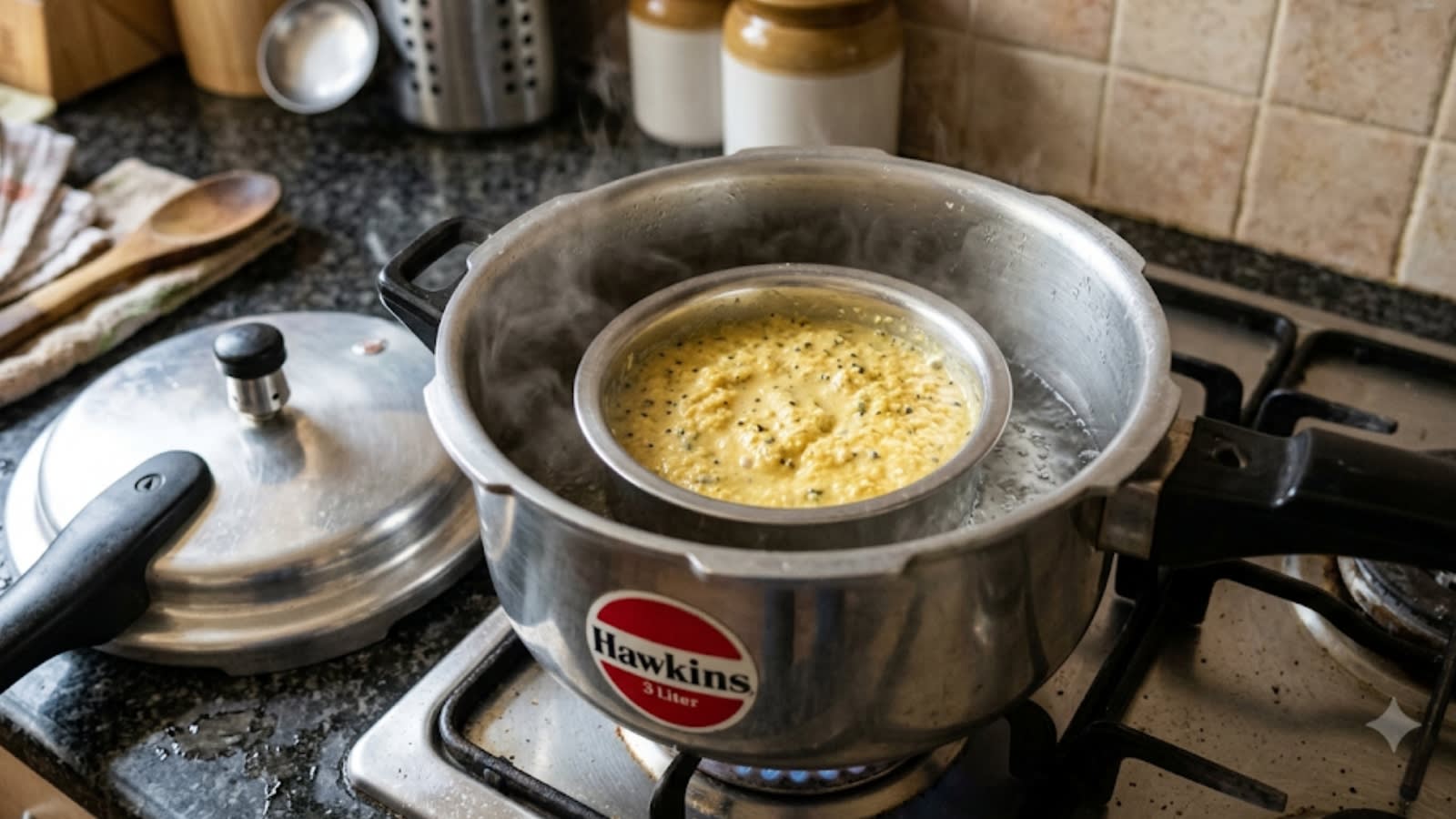
Placing a steel katori inside a pressure cooker while cooking dal is a traditional kitchen hack that helps manage froth and prevents liquid overflow. Experts confirm this practice effectively keeps the cooking process cleaner and more efficient.
The Science Behind the Traditional Kitchen Hack
In many Indian households, the sight of a small steel katori (bowl) placed inside a pressure cooker alongside lentils is a common, almost nostalgic culinary tradition. While often dismissed as an old-fashioned habit passed down through generations, this practice is grounded in practical kitchen physics and food science. By placing the bowl within the cooker, home cooks have long managed the unpredictable nature of pressure cooking legumes.
Managing Froth and Pressure Dynamics
The primary utility of the katori lies in its ability to manage the froth—or foam—that naturally forms when dal is heated under high pressure. As legumes contain saponins and proteins that create significant surface tension, the rapid boiling process often forces this starchy froth through the pressure cooker’s whistle. According to experts like Consultant Dietician and Certified Diabetes Educator Kanikka Malhotra, the presence of the katori helps disrupt the rise of this froth, keeping the cooking environment more stable.
Retaining Nutrients and Cooking Liquid
Beyond merely preventing the mess of starchy water spraying across the stovetop, this hack serves a functional role in moisture retention. When the pressure cooker releases steam, it often carries with it a portion of the cooking liquid, which can lead to over-thickened or burnt dal if the water-to-pulse ratio is not perfectly balanced. The katori acts as a baffle, helping to retain the essential cooking liquid within the vessel, ensuring the dal maintains the desired consistency without requiring constant monitoring.
Efficiency and Practicality in Modern Cooking
While modern kitchen appliances have evolved, the simplicity of this method remains relevant. By preventing the froth from clogging the pressure valve, the katori ensures the safety and efficiency of the cooking process. It is a classic example of traditional wisdom meeting functional necessity, requiring no expensive equipment—only a simple, ubiquitous kitchen staple that has been proven effective over decades of household use.
Conclusion: A Timeless Culinary Technique
Ultimately, the practice of placing a steel katori inside the cooker is more than just a cultural relic; it is a smart, time-tested strategy for better meal preparation. Whether it is oil-filled or empty, the bowl provides a buffer that simplifies the process of cooking pulses. As we continue to look for ways to optimize kitchen efficiency, this humble hack stands as a testament to the effectiveness of traditional culinary knowledge in managing the daily demands of cooking.