GM announces new gas-powered Cadillac vehicles amid EV pullback
Source Entity
US Top News and Analysis
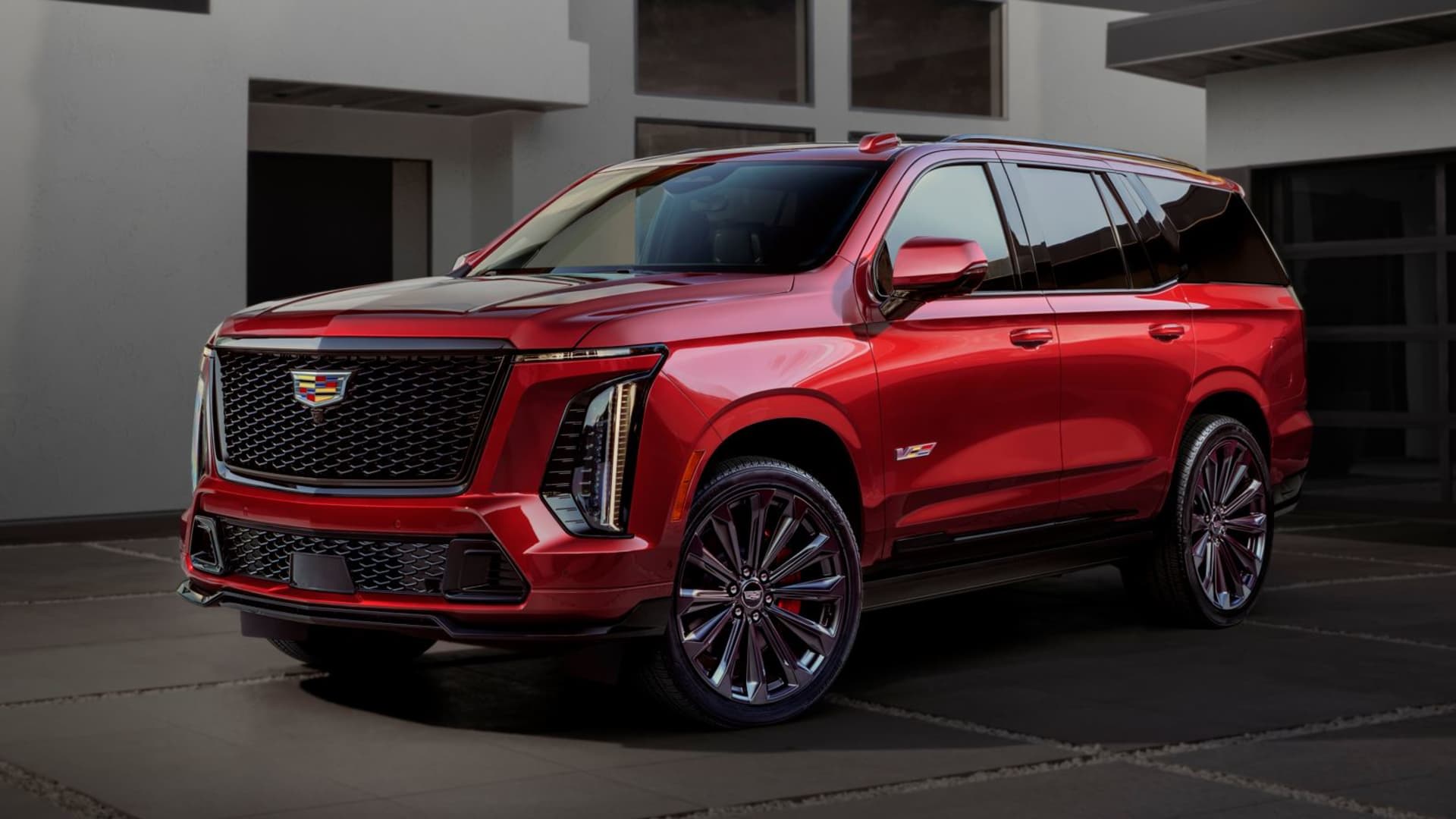
General Motors is shifting its strategy by introducing new internal combustion engine Cadillac models starting next spring. This move reflects a broader industry pullback from an all-electric exclusive roadmap.
Strategic Pivot: GM Reintroduces Gas-Powered Cadillacs
General Motors (GM) has officially announced a significant strategic pivot, signaling a retreat from its previous commitment to an exclusively electric future for the Cadillac brand. During the company’s second-quarter earnings call, CEO Mary Barra confirmed that the automaker will launch a new generation of internal combustion engine (ICE) vehicles starting next spring. This decision marks a notable departure from the ambitious electrification timelines that dominated the automotive industry landscape over the past several years.
The New Cadillac Lineup
The upcoming expansion includes the next-generation CT5 sedan, as well as updates to the XT5 midsize SUV and the previously discontinued three-row XT6 SUV. By reviving and updating these familiar nameplates, GM is banking on established consumer loyalty to internal combustion engines while balancing its broader portfolio. These new models will exist alongside Cadillac’s current all-electric offerings, such as the Lyriq and the electric Escalade, suggesting a multi-pronged approach to powertrain strategy rather than a total transition.
Market Realities and Consumer Demand
This development underscores the growing tension between corporate sustainability goals and the realities of consumer demand. While many automakers initially pledged to phase out gas vehicles by the early 2030s, the current market shows a cooling interest in EVs due to concerns over infrastructure, range anxiety, and premium pricing. GM’s decision to continue producing ICE vehicles until at least 2028 suggests that the company is prioritizing profitability and market share in a segment that remains the primary driver of automotive revenue.
Operational Implications
By maintaining production lines for both EVs and gas-powered vehicles, GM is adopting a flexible manufacturing strategy. This allows the company to hedge against the volatility of the EV market. Expanding the Cadillac lineup with traditional engines ensures that the brand remains competitive in the luxury segment, where customers often demonstrate a preference for the mechanical refinement and convenience of gas-powered powertrains.
Future Outlook for the Automotive Sector
Looking ahead, GM's strategy highlights a broader industry trend: the "hybridization" of transition plans. Rather than a binary choice between gas and electricity, automakers are increasingly opting for a nuanced approach that keeps internal combustion alive while scaling EV production at a more sustainable pace. This shift indicates that the path to full electrification will be longer and more complex than initially forecasted by industry analysts.
Conclusion
In summary, GM’s move to introduce new gas-powered Cadillac models represents a pragmatic recalibration of its long-term vision. By balancing its technological aspirations with current consumer preferences, the company aims to sustain growth and stability. As the industry continues to evolve, GM’s ability to successfully juggle both ICE and EV platforms will likely serve as a blueprint for other manufacturers navigating the same transitional challenges.