5 animals to spot in Gujarat’s Little Rann of Kutch beyond the wild ass
Source Entity
The Indian Express
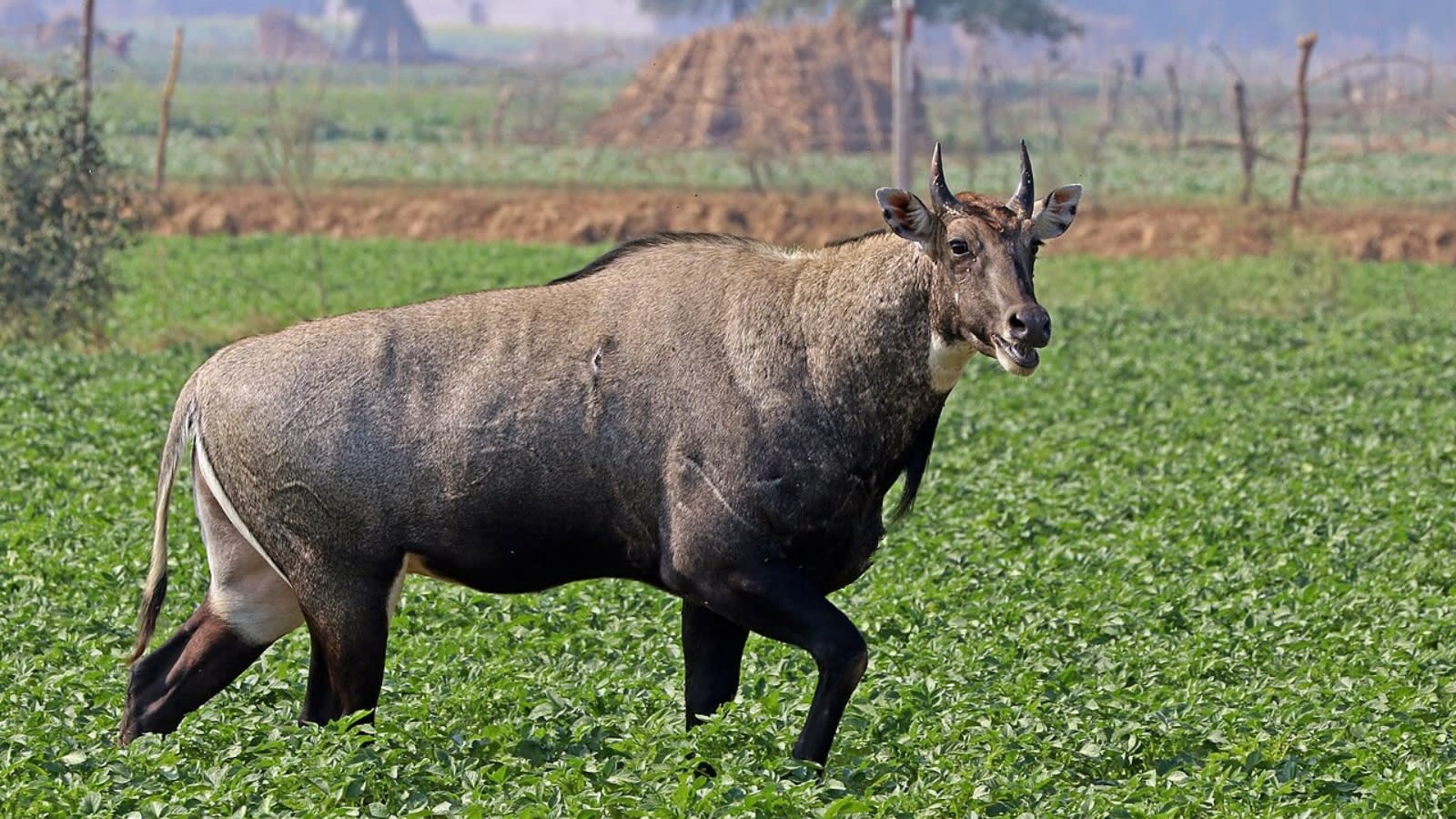
The Gomarda Wildlife Sanctuary in Chhattisgarh is set to reintroduce 50 blackbucks after a 50-year absence. These animals will be translocated from the Barnawapara Wildlife Sanctuary to restore the ecological balance.
Restoration of Biodiversity in Chhattisgarh
The Gomarda Wildlife Sanctuary, located in the Sarangarh-Bilaigarh district of Chhattisgarh, is currently undergoing a significant ecological milestone. After a hiatus spanning over five decades, the sanctuary is preparing to reintroduce 50 blackbucks to its habitat. This move marks a pivotal moment for regional conservation efforts, as the species had completely vanished from the area due to historical pressures.
The Historical Decline
The absence of the blackbuck in Gomarda is a symptom of broader environmental challenges that have historically plagued wildlife populations in India. Factors such as hunting, poaching, unchecked encroachment, and various development projects significantly fragmented the natural corridors that these antelopes require to thrive. The loss of this species five decades ago serves as a reminder of the fragility of local ecosystems when faced with industrial or human-led expansion.
The Success of Translocation
The reintroduction strategy relies on the success of similar initiatives within the state. The blackbucks are being sourced from the Barnawapara Wildlife Sanctuary, where recent years have seen a stable and growing population. By leveraging the surplus population from a successful habitat, forest officials are employing a scientifically sound method of wildlife management that ensures the new arrivals are genetically healthy and capable of adapting to the Gomarda landscape.
Logistical Execution and Monitoring
The translocation process is scheduled to occur gradually over the coming week to minimize stress on the animals. Moving wildlife is a complex operation that requires precise handling, veterinary oversight, and careful monitoring to ensure the antelopes acclimate to their new environment. The Forest Department's direct involvement underscores the government's commitment to rehabilitating the sanctuary's biodiversity.
Broader Ecological Implications
The return of the blackbuck to Gomarda is not merely a singular event but a step toward restoring the natural food chain and herbivore dynamics within the sanctuary. Herbivores like the blackbuck play a crucial role in maintaining grassland health through grazing, which in turn benefits the entire ecosystem. If successful, this reintroduction could serve as a blueprint for other sanctuaries in India that are looking to restore extinct or near-extinct local species.
Future Trends in Wildlife Management
As India continues to balance developmental needs with environmental preservation, the focus on 'rewilding' and translocating species to their ancestral habitats is becoming a standard trend. By using sanctuaries like Barnawapara as 'source' habitats, authorities can effectively redistribute wildlife to areas where they once thrived, thereby preventing overcrowding in one location while revitalizing the ecological integrity of another. This proactive approach will likely define the future of Indian wildlife conservation.