Google’s Gemini has a branding problem, and so does the rest of AI
Source Entity
Sarah Perez
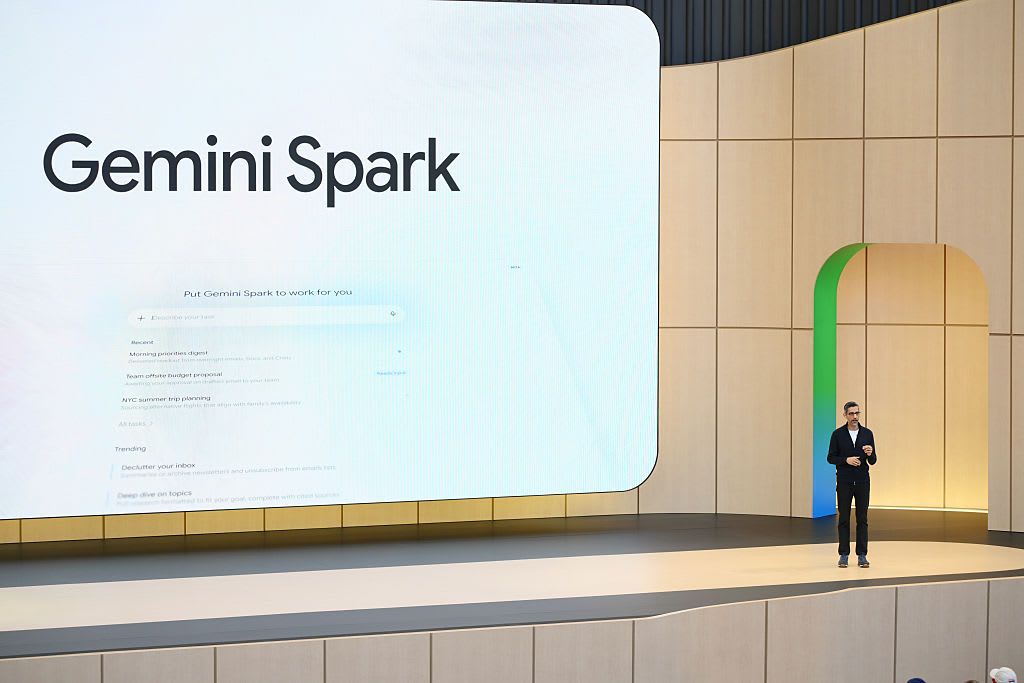
Google's Gemini app suffers from a fragmented branding strategy that forces users to navigate complex internal product architecture. This approach undermines the company's promise of a seamless, integrated AI experience.
The Fragmentation of Google's AI Ecosystem
Google’s recent announcement regarding new Gemini Live voice features highlights a persistent tension in the current landscape of consumer artificial intelligence: the gap between the promise of seamless automation and the reality of complex product architecture. While Google explicitly claims that users should not have to guess which tool is required for a specific task, the current design of the Gemini app suggests otherwise. By segmenting features into distinct silos, Google is inadvertently forcing users to become experts in its internal product naming conventions rather than simply utilizing the AI as a fluid, intuitive utility.
The Branding Paradox
The core of the issue lies in the proliferation of branded features such as Spark, Daily Brief, and standard chat interfaces within a single application. Each feature is presented with its own icon and navigation path, creating a cluttered user experience that contradicts the company's stated goal of simplicity. This fragmentation suggests that Google is still in the experimental phase of identifying a 'killer feature,' prioritizing the visibility of individual tools over the cohesion of the platform as a whole.
Implications for Consumer AI
This branding strategy reflects a broader trend in the tech industry where companies struggle to reconcile complex backend architecture with the need for a frictionless front-end interface. When users are asked to switch between different 'modes' or 'features' to accomplish tasks that should ideally be handled by a single intelligent agent, the perceived utility of the AI decreases. This friction creates a learning curve that may alienate casual users who expect an AI assistant to act as a unified, proactive helper rather than a collection of disparate software modules.
Historical Context and Design Philosophy
Historically, successful consumer technology has thrived on simplicity—hiding the complexity of the underlying systems from the end-user. Google’s current approach with Gemini marks a departure from this philosophy. By forcing users to interact with specific sub-brands like Daily Brief or Spark, the company is exposing the 'seams' of its product development process. This approach is reminiscent of early enterprise software, where users had to understand the modular nature of the system to operate it effectively, which is rarely an ideal state for a mass-market consumer application.
Future Trends and Strategic Outlook
Looking forward, the success of Gemini will likely depend on whether Google can consolidate these features into a singular, context-aware interface. The industry is currently moving toward 'agentic' AI, where the system itself determines which tools are necessary to fulfill a user's request, rather than requiring the user to select the tool manually. If Google continues to prioritize distinct branding for every minor feature, it risks falling behind competitors that prioritize a unified user experience. The ultimate goal for any consumer AI should be invisibility—where the technology works so well that the user never has to think about the product architecture behind it.