Google now lets you sign in to your account using a selfie video
Source Entity
Andrew Liszewski
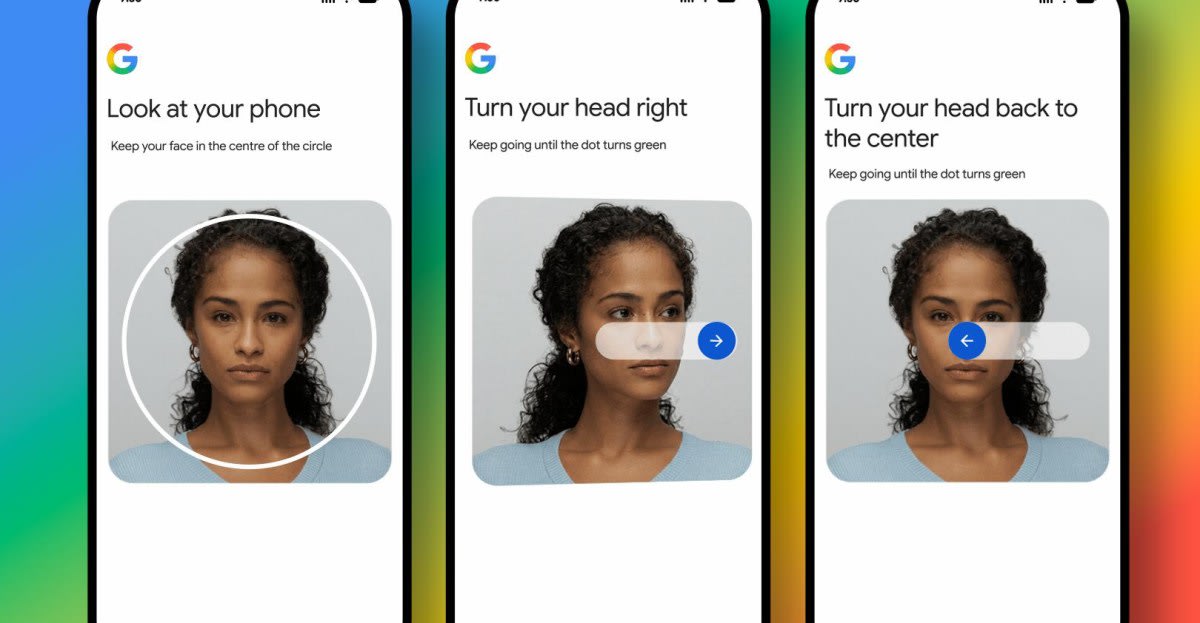
Google has introduced a new biometric security feature allowing users to regain account access via selfie videos. This move underscores the industry's shift toward passwordless authentication, though it excludes specific account types like Workspace and Advanced Protection.
The Shift Toward Biometric Authentication
Google has officially announced a new security feature that allows users to regain access to their accounts through the use of selfie videos. This initiative represents a significant pivot in how tech giants handle identity verification, moving away from traditional, easily compromised password systems and toward biometric data. By capturing a short video of the user’s face, Google creates a reference point that can be used to verify identity if a user is locked out or loses access to their primary authentication devices.
How the Technology Functions
The setup process for this feature is designed to be intuitive but precise. Users are required to record a video where they follow guided prompts, such as nodding or turning their head to the left and right. These movements ensure that the system captures multiple angles of the user's face, creating a robust biometric profile. When a user later needs to recover their account, they perform a similar video capture, which Google’s systems then compare against the original file to confirm the identity of the account holder.
Expanding Recovery Options
Historically, Google has relied on recovery contacts, backup codes, and two-factor authentication apps to help users regain access to their accounts. While these methods are effective, they often fail when a user loses access to their registered phone or computer. The introduction of selfie videos acts as a fail-safe, providing a distinct, physical verification method that does not depend on secondary hardware or physical security keys, thereby reducing the friction associated with account recovery.
Limitations and Security Exclusions
Despite the convenience, Google has implemented clear boundaries for this feature. It is not currently available for all account types; specifically, Workspace accounts, child accounts, and those enrolled in Google’s Advanced Protection Program are excluded from using selfie video sign-ins. These restrictions likely reflect a commitment to higher security tiers where traditional, more hardened authentication protocols remain the primary requirement.
Broader Industry Implications
This move by Google aligns with a broader industry trend of 'passwordless' authentication. Tech companies are increasingly betting that biometrics—such as facial recognition and fingerprint scanning—offer a superior balance between user convenience and security. As digital identities become more central to our daily lives, the ability to verify who is behind a screen without relying on remembered strings of characters is becoming a standard expectation for major platforms.
Future Trends in Identity Verification
The adoption of selfie-based authentication highlights a future where identity is verified through dynamic, AI-assisted processes rather than static credentials. As facial recognition technology becomes more sophisticated, it is likely that we will see more platforms adopting similar video-based recovery methods. However, the reliance on biometric data also brings forward ongoing discussions regarding privacy and the secure storage of such sensitive information, ensuring that this evolution in security remains a topic of both innovation and scrutiny.
Multiple Citing Sources