Pixel 11 gets in on the digicam trend
Source Entity
Jacob Kastrenakes
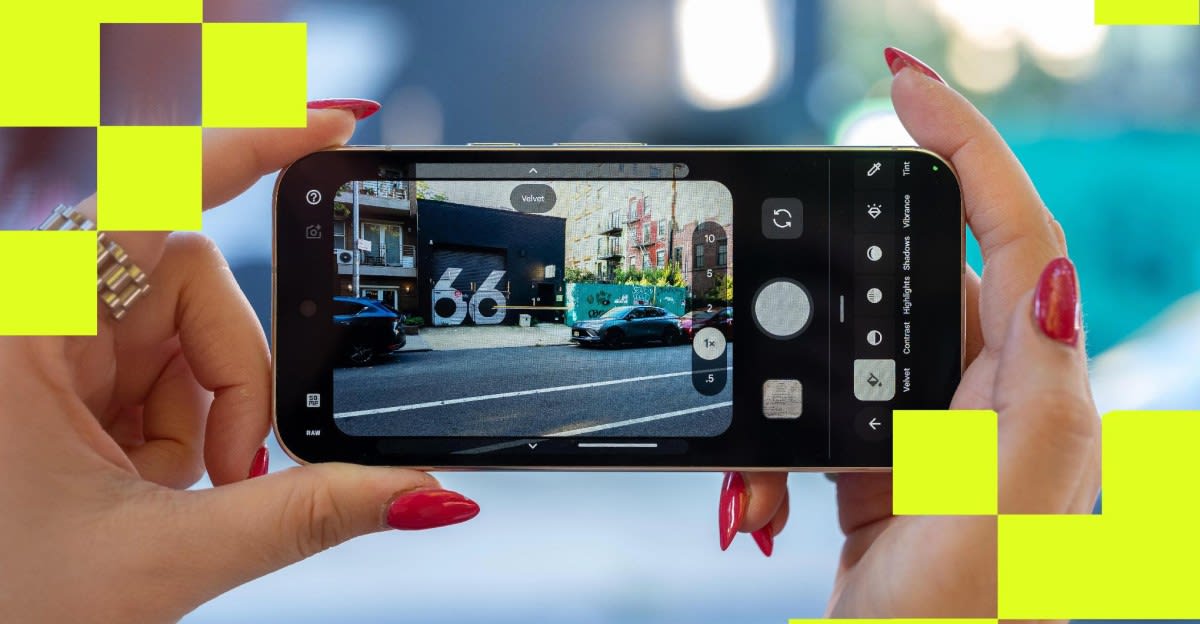
Google has launched the Pixel 11 series, featuring advanced AI camera tools, while the previous Pixel 10A remains a high-value alternative at a discounted price. The new hardware introduces 'Camera Looks' to address the industry's shift toward more natural, less processed photography.
The Evolution of the Google Pixel Ecosystem
Google has officially expanded its smartphone portfolio with the launch of the Pixel 11 series, a lineup that showcases the company's latest hardware and software integration. The new series includes the standard Pixel 11 at $899, the high-performance Pixel 11 Pro starting at $1,099, and the premium Pixel 11 Pro Fold, retailing at $1,899. While these devices represent the cutting edge of Google's mobile technology, they also highlight a significant strategic pivot in how the company approaches computational photography.
Balancing Performance and Value
For consumers who prioritize value over the latest iterative upgrades, the Pixel 10A remains a formidable option. Currently priced at $424—a 15 percent reduction from its original $499 MSRP—the device is widely available at major retailers including Amazon, Best Buy, and the official Google Store. This price point positions the 10A as a critical entry-level bridge for users who want the reliable Google software experience without the premium cost associated with the newly released 11-series hardware.
The Shift in Computational Photography
One of the most notable developments in the Pixel 11 series is the introduction of 'Camera Looks.' This feature is a direct response to the growing consumer desire to move away from the hyper-processed, high-contrast aesthetic that has defined smartphone photography for the last decade. By allowing users to dial in their own preferences, Google is acknowledging a trend toward 'digicam-style' imagery, reminiscent of the softer, more natural photos captured by mobile devices circa 2014.
Technical Parity and Differentiation
It is noteworthy that the Pixel 11 and the Pixel 11 Pro share the same underlying processor and a baseline of 12GB of RAM. This suggests that Google is prioritizing a consistent performance floor across its flagship tiers. The primary differentiation between these models lies in the camera hardware and the form factor, specifically with the Pro Fold offering a unique foldable experience that targets a niche segment of power users willing to pay a premium for versatility.
Market Implications and Future Trends
As Google continues to integrate exclusive AI-driven features into its flagship hardware, the gap between the 'A' series and the 'Pro' series is likely to widen. However, as long as mid-range devices like the Pixel 10A continue to offer robust performance at significantly lower price points, they will remain the backbone of Google's market share. The ongoing dialogue, as highlighted in recent industry discussions, suggests that the future of mobile photography will be defined by the user's ability to customize the 'look' of their images, rather than relying solely on automated AI enhancements.
Multiple Citing Sources