US government lab is probing Chinese lidar for security vulnerabilities
Source Entity
Sean O'Kane
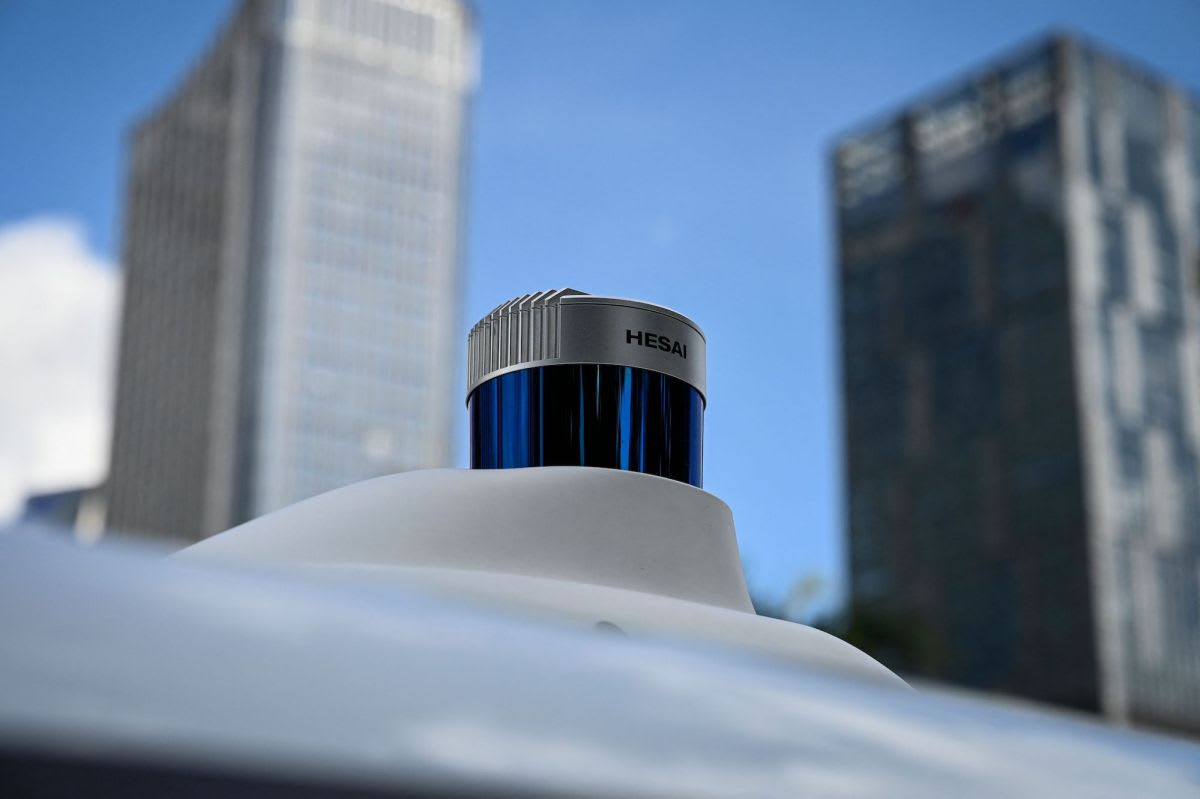
The Idaho National Laboratory is investigating potential security vulnerabilities in Chinese-made lidar sensors used in autonomous vehicles. This industry-funded review highlights growing concerns over foreign hardware integration in critical US transportation infrastructure.
The Security Implications of Chinese Lidar in US Autonomous Systems
An Investigation into Hardware Integrity
The Department of Energy’s Idaho National Laboratory (INL) has initiated a critical investigation into Chinese-manufactured lidar (Light Detection and Ranging) sensors to determine if they pose inherent security risks. Lidar serves as the 'eyes' of autonomous vehicles, utilizing laser pulses to generate high-resolution, three-dimensional maps of the surrounding environment. Because these sensors are essential for navigation and obstacle detection, any potential backdoor or vulnerability within the hardware could have catastrophic implications for vehicle safety and national security.
Industry-Led Oversight
This research is notably being funded by private entities within the electric and autonomous vehicle sectors. By commissioning a national laboratory to perform this scrutiny, these stakeholders are signaling an urgent need to validate the integrity of their supply chains. The involvement of a government lab like the INL lends significant weight to the inquiry, as the laboratory specializes in critical infrastructure protection and cybersecurity, making it uniquely qualified to assess whether foreign hardware can be manipulated to compromise data privacy or physical safety.
The Challenge of Supply Chain Transparency
Despite the investigation's importance, the landscape remains opaque. Major automotive and tech players, including Rivian, General Motors, Ford, and others, have publicly stated they are unaware of the specific review, yet the report confirms the industry is actively considering the integration of Chinese lidar technology. This discrepancy highlights the complexity of modern automotive supply chains, where tiered suppliers may incorporate sub-components from various global origins without the knowledge of the final vehicle manufacturer.
Broader Geopolitical and Strategic Context
The investigation aligns with a broader trend of increased US government scrutiny regarding foreign technology integration. As autonomous vehicles transition from experimental prototypes to mass-market consumer products, the data they collect—ranging from precise mapping of public infrastructure to behavioral patterns—becomes a high-value target. Federal agencies are increasingly concerned that foreign-made components could facilitate espionage or provide a mechanism for remote vehicle interference, mirroring previous federal actions taken against telecommunications equipment.
Future Trends and Regulatory Outlook
This study is likely a precursor to more stringent federal regulations regarding vehicular hardware. If the INL identifies credible vulnerabilities, it could lead to government-mandated bans or restrictive sourcing requirements for lidar technology in the US automotive market. For manufacturers, this creates a dilemma: balancing the cost-effectiveness and performance of Chinese lidar against the potential for future regulatory exclusion or security-related liabilities.
Conclusion
The investigation by the Idaho National Laboratory marks a pivotal moment for the autonomous vehicle industry. By addressing the security of lidar technology now, stakeholders are attempting to preemptively manage systemic risks before these sensors become ubiquitous in American transportation. The outcome of this study will likely dictate future procurement strategies and may reshape the global competitive landscape for autonomous vehicle components.