India calls for stronger global tech collaboration at BRICS meet
Source Entity
India Latest News: Top National Headlines Today & Breaking News | The Hindu
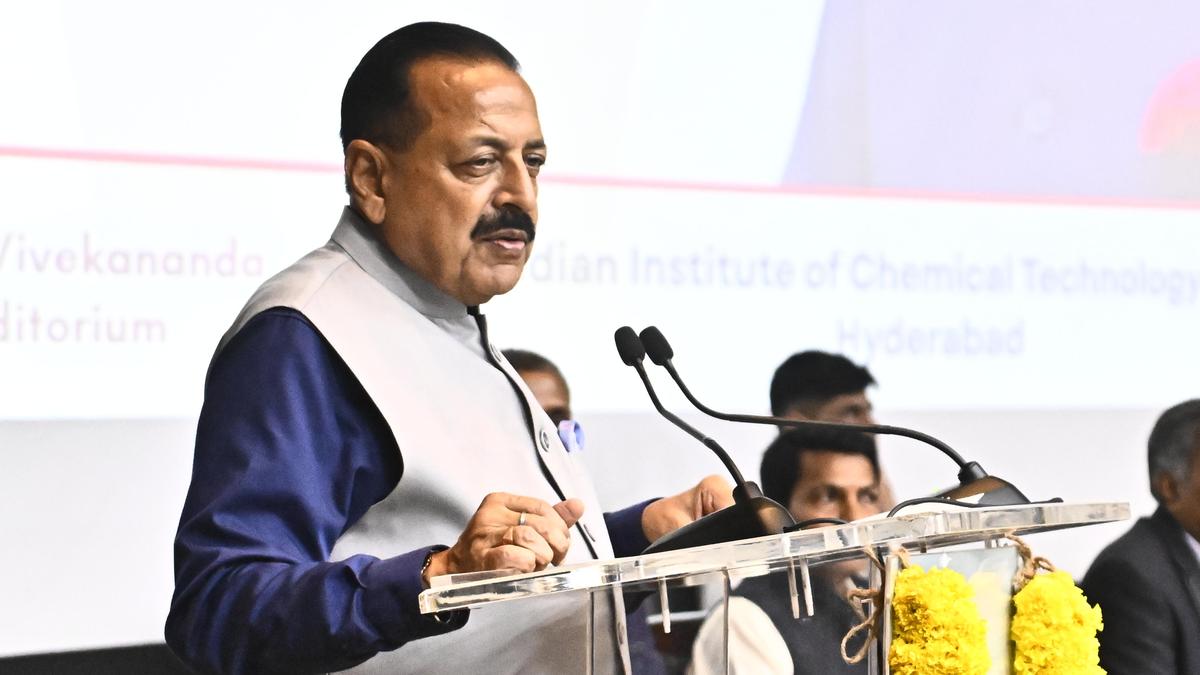
Union Minister Jitendra Singh has advocated for strengthened global tech cooperation among BRICS nations. The initiative centers on the 2026 theme of resilience, innovation, and sustainability to ensure equitable access to emerging technologies.
India Champions Global Tech Cooperation at 14th BRICS STI Ministerial
At the 14th BRICS Science, Technology and Innovation (STI) Ministerial Meeting held in Chennai, Union Minister of State for Science and Technology Jitendra Singh articulated a forward-looking vision for the bloc. By emphasizing the necessity of international synergy, India is positioning itself as a central architect in the governance and development of emerging technologies, advocating for a framework that prioritizes accessibility, affordability, and trust.
Defining the Technological Frontier
Minister Singh specifically highlighted a spectrum of critical sectors that are currently redefining the global landscape. These include advanced materials, biotechnology, photonics, geospatial technologies, and high-performance computing. By categorizing these fields, India is signaling to its BRICS partners that the future of economic growth and societal progress is inextricably linked to mastering these high-barrier-to-entry technological domains.
The 2026 BRICS Presidency Vision
Central to India's diplomatic strategy is the theme for its 2026 BRICS Presidency: ‘Building for Resilience, Innovation, Cooperation and Sustainability.’ This theme serves as a strategic roadmap, suggesting that India intends to steer the coalition toward long-term developmental goals rather than short-term gains. This framework reflects a growing consensus within the Global South that technological independence and collaborative research are essential for insulating domestic economies against global market volatility.
Bridging the Innovation Gap
Dr. Singh’s address underscored a critical concern: that innovation must remain accessible and sustainable. In an era where technological disparities risk widening the gap between developed and emerging nations, India’s call for 'trusted' innovation suggests a move toward standardized protocols and shared ethical guidelines among BRICS members. This approach aims to democratize access to high-performance computing and biotech, ensuring that the benefits of the digital revolution are not sequestered in a few dominant markets.
Strategic Implications for Global Governance
By hosting this ministerial meeting, India is reinforcing its role as a bridge-builder in international scientific circles. The focus on sustainability implies that the future of BRICS collaboration will likely integrate green technology and climate-resilient engineering. As these nations align their research efforts, they are effectively creating a counter-narrative to Western-centric technological hegemony, focusing instead on internal capacity building and resource sharing.
Future Trends and Outlook
Looking toward 2026, the emphasis on 'Resilience' suggests a proactive stance against supply chain disruptions and technological isolationism. Experts anticipate that this collaborative push will lead to joint research initiatives, shared laboratory infrastructure, and standardized training programs. Ultimately, India’s push for stronger cooperation at the BRICS level is a strategic maneuver designed to ensure that the Global South remains a primary stakeholder in the global technological order.
Verification Required?