Can using E20 petrol lead to insurance claim rejection? What govt said
Source Entity
TOI BUSINESS DESK
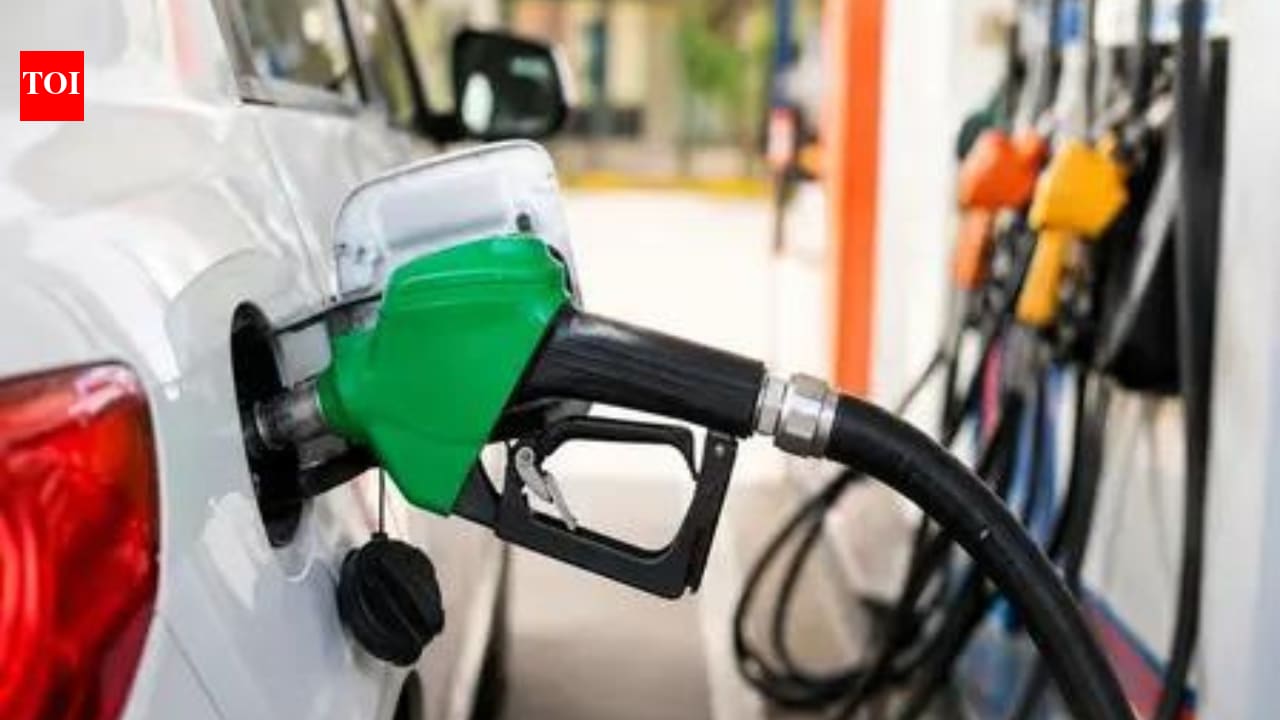
The Ministry of Petroleum and Natural Gas has officially confirmed that using E20 ethanol-blended petrol will not lead to the rejection of vehicle insurance claims. The government dismissed rumors regarding engine damage and insurance invalidation as scientifically unfounded.
Clarifying the E20 Fuel Mandate and Insurance Coverage
Recent public discourse regarding the transition to E20 fuel—petrol blended with 20% ethanol—has been marked by significant misinformation. The Ministry of Petroleum and Natural Gas has intervened to provide a definitive stance: the use of E20 fuel does not constitute grounds for the rejection of insurance claims. This clarification serves to stabilize consumer confidence as the government pushes forward with its national Ethanol Blending Programme (EBP).
Addressing Misconceptions and Consumer Anxiety
In an era of rapid digital information sharing, unfounded rumors regarding the mechanical impact of E20 fuel have proliferated. Specifically, claims suggesting that ethanol blending causes widespread engine failure or attracts insects have gained traction on social media platforms. The government has explicitly categorized these assertions as lacking any scientific basis, emphasizing that the EBP is a carefully managed, industry-consulted initiative designed to align with modern automotive engineering standards.
The Government’s Official Stance
To combat the spread of misinformation, the Ministry and aligned political channels, such as the BJP’s recent communications on X, have issued clear directives. By stating that insurance claims cannot be rejected solely on the basis of E20 usage, the government is effectively shielding vehicle owners from potential predatory practices by insurers or unwarranted anxieties. This policy position is critical for the success of the nationwide transition to cleaner fuel sources.
Scientific Validation and Industry Consultation
It is essential to recognize that the implementation of E20 fuel is not an experimental or haphazard policy. It is the result of rigorous scientific validation and extensive consultation with automotive manufacturers. These vehicles are engineered or adapted to handle specific ethanol concentrations, and the government’s commitment to this program reflects a broader strategic goal of reducing India’s dependence on crude oil imports while promoting sustainable energy practices.
Implications for the Automotive Sector
For the automotive industry, this clarification provides a necessary regulatory baseline. As manufacturers continue to roll out E20-compatible engines, the certainty that insurance coverage remains intact is a vital factor in maintaining market demand. By decoupling fuel type from insurance eligibility, the government has mitigated a significant barrier to the adoption of greener fuel alternatives.
Future Trends and Conclusion
Looking ahead, the success of the EBP will depend on the continued transparency of the government and the cooperation of the insurance sector. As India moves toward higher ethanol blending targets, public awareness campaigns will remain the most effective tool for counteracting misinformation. The current government stance ensures that consumers can transition to E20 fuel with the legal and financial security required to support national energy goals.