Contemplating law against child pornography, Centre tells Supreme Court
Source Entity
India Latest News: Top National Headlines Today & Breaking News | The Hindu
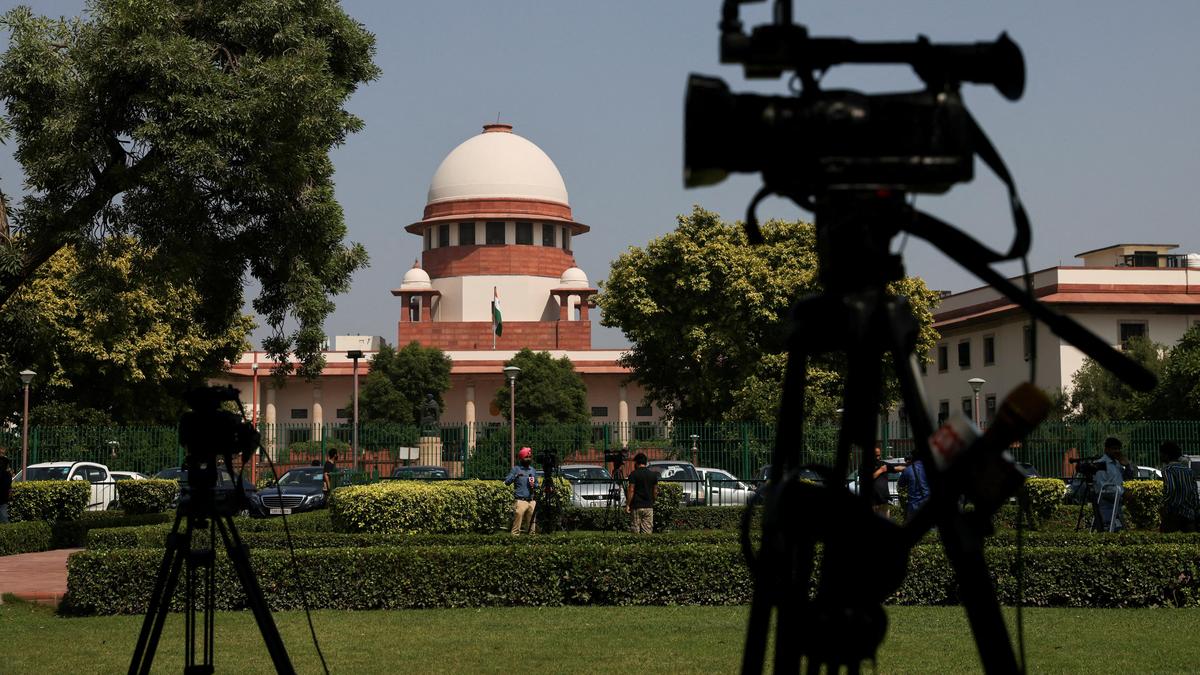
The Indian government has informed the Supreme Court that it is drafting legislation to combat child pornography and the non-consensual distribution of explicit content. The proposed law aims to increase intermediary accountability and allow third-party reporting of offensive digital material.
Government Moves to Legislate Against Digital Sexual Violence
On October 27, 2026, the Union government signaled a significant shift in its digital governance strategy by informing the Supreme Court of its intent to draft comprehensive legislation addressing the proliferation of child pornography and non-consensual explicit content. This development, conveyed by Solicitor General Tushar Mehta to a bench led by Chief Justice of India Surya Kant, marks a critical intersection between digital privacy, intermediary liability, and the protection of individual dignity in the online sphere.
Expanding the Scope of Intermediary Liability
A pivotal aspect of the proposed framework involves redefining the obligations of digital intermediaries. Currently, intermediaries largely operate under a 'take-down' model upon receiving notice. However, the government’s proposal suggests a more proactive approach, where platforms may be legally compelled to not only remove offensive content but also report the originators of such content to law enforcement agencies. This shift represents a move toward greater platform accountability in preventing the viral spread of illicit digital material.
Addressing the Gap in Revenge Pornography
The proposed legislation seeks to tackle the growing menace of 'revenge porn'—the vindictive uploading of videos documenting previously consensual sexual acts following the breakdown of personal relationships. By addressing this alongside the morphing of videos intended to ridicule or defame individuals, the government aims to provide a robust legal remedy for victims of digital harassment. This is a crucial step in recognizing that non-consensual distribution of intimate imagery is a form of violence that requires specific statutory recognition.
Empowering Third-Party Redressal
One of the most notable features of the anticipated bill is the provision for third-party complaints. By allowing individuals beyond the direct victims to register police complaints regarding offensive content, the government intends to lower the barriers to justice. This recognizes that the victims of such crimes are often traumatized or intimidated, and a broader reporting mechanism could facilitate faster intervention by authorities to curb the circulation of harmful media.
Future Implications for Digital Policy
While the Solicitor General noted that the details of the statutory mechanism remain under internal deliberation, the intent is clear: the state is moving to tighten control over the digital ecosystem to protect vulnerable populations. The success of this policy will ultimately depend on the balance struck between preventing criminal activity and ensuring that the rights of privacy and free expression are not compromised. As the Supreme Court continues to oversee these proceedings, the final form of this bill will likely set a major precedent for how India manages digital safety in an increasingly connected, yet frequently hostile, online environment.
Multiple Citing Sources
Verification Required?