Govt plans bill to punish those who insult, block Vande Mataram singing
Source Entity
TNN
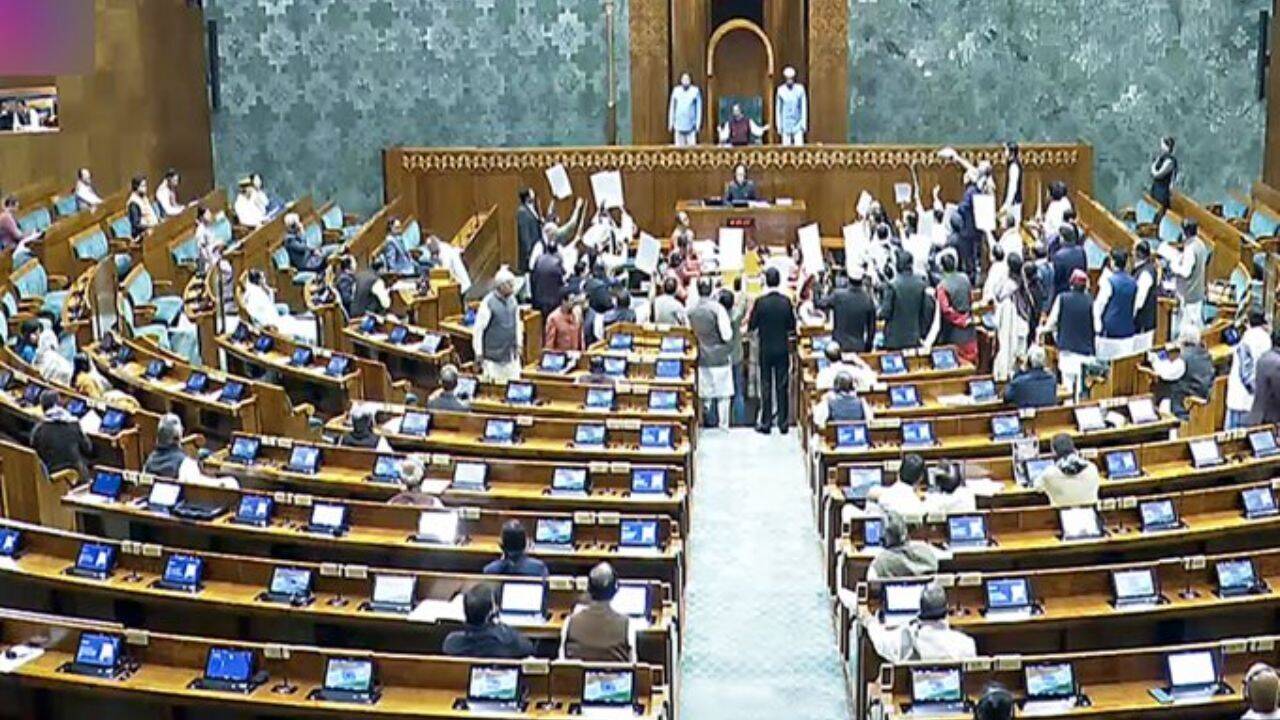
The Indian government is reportedly planning legislation to criminalize the act of insulting or obstructing the singing of Vande Mataram. This initiative reflects a broader movement to codify patriotic conduct and national reverence in public spaces.
Legislative Initiatives for National Symbols
The Indian government is currently exploring the introduction of a legislative bill aimed at curbing instances where individuals insult or deliberately obstruct the singing of Vande Mataram. As a historical anthem that played a pivotal role during India's struggle for independence, Vande Mataram holds a profound place in the national consciousness. By moving toward a legislative framework, the government intends to provide a clear legal mechanism for addressing conduct perceived as disrespectful toward national symbols.
Historical Context and Cultural Significance
Vande Mataram, authored by Bankim Chandra Chattopadhyay, was a powerful rallying cry for freedom fighters during the British Raj. Its verses, which invoke a deep emotional and spiritual connection to the motherland, were popularized by figures like Rabindranath Tagore and later adopted as a symbol of national unity. The transition of this song from a literary piece to a cornerstone of patriotic expression highlights its enduring influence on Indian identity, which the proposed bill seeks to safeguard from public disparagement.
Legal Implications and Enforcement
The introduction of such a bill raises significant questions regarding the intersection of freedom of expression and national duty. Existing laws in India, such as the Prevention of Insults to National Honour Act, 1971, already cover the national flag and the national anthem. Extending these protections to include Vande Mataram suggests a strategic expansion of legal oversight regarding public behavior during patriotic observances. The proposed bill would likely delineate specific penalties for those who block or insult the singing, creating a new category of offense within the national security and public order domain.
Societal Impact and Public Discourse
This move is expected to ignite a robust debate regarding the role of the state in enforcing patriotic sentiment. Proponents argue that such legislation is necessary to foster discipline and respect for the foundational elements of Indian history. Conversely, legal scholars and civil rights advocates may scrutinize the bill for its potential impact on dissent and individual liberty. The evolution of this bill will likely be monitored closely by political analysts as it reflects the current administration's emphasis on cultural nationalism.
Future Trends and Policy Trajectory
Looking ahead, this legislative effort signifies a broader trend of prioritizing symbolic national unity through formal legal channels. If enacted, this bill could serve as a precedent for how the state manages public conduct concerning other cultural and national icons. The government’s ability to balance the enforcement of such laws with the constitutional guarantee of free speech will define the efficacy and public acceptance of this mandate in the coming years.