'Issue far from settled': Govt rejects Meta's explanation on 'removal' of PM Modi's video
Source Entity
TOI NEWS DESK
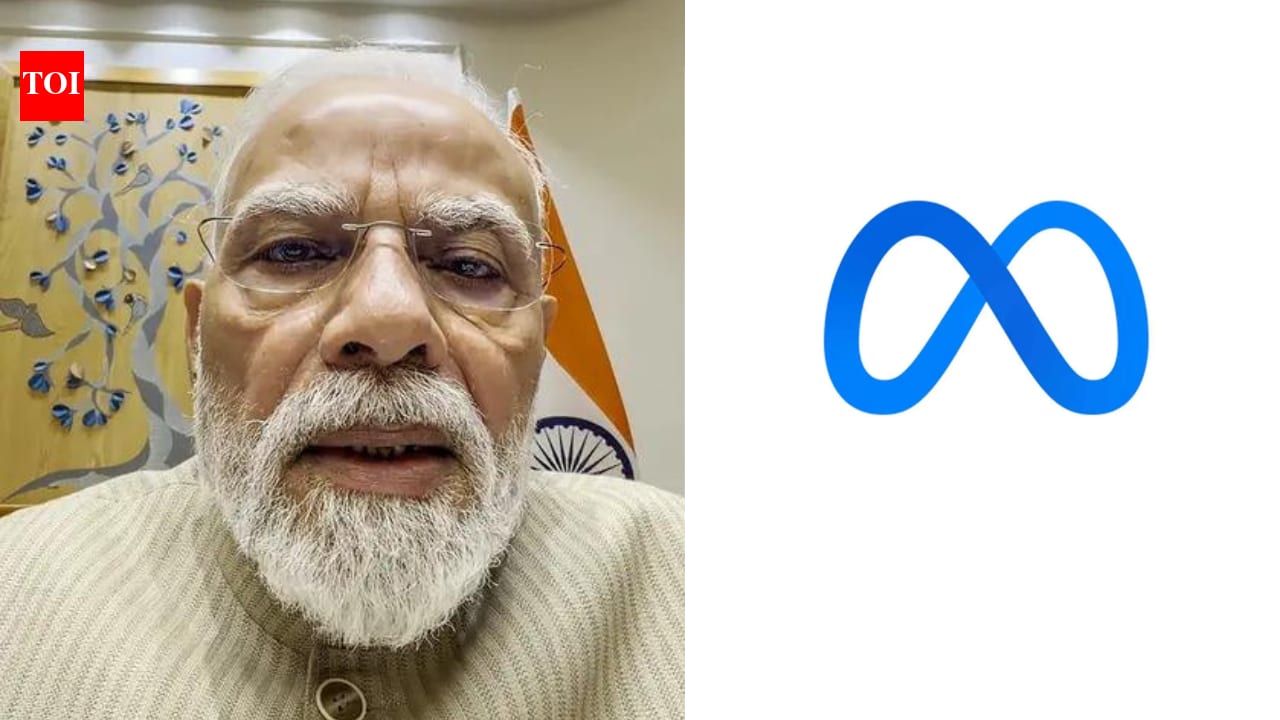
The Indian government has rejected Meta's 'technical glitch' explanation for the temporary removal of a video featuring Prime Minister Narendra Modi. Officials have summoned Meta's global policy lead, signaling a deepening confrontation over platform accountability and content moderation.
The Meta-Government Standoff: A Crisis of Digital Sovereignty
The Incident and Official Response
The recent controversy involving the removal of a video featuring Prime Minister Narendra Modi from Facebook has sparked a significant diplomatic and regulatory friction between the Indian government and Meta. The video, which highlighted the government’s commitment to implementing stringent measures against paper leaks, was briefly taken down, with Meta citing an automated content filter error. However, the Centre has explicitly rejected this explanation, labeling it 'not reasonable' and insisting that the matter remains 'far from settled.'
Examining the 'Automated Error' Defense
Meta’s reliance on the 'glitch' narrative highlights a recurring tension between global tech corporations and sovereign states. While platforms utilize automated systems to manage vast quantities of content, the removal of high-profile political communication—specifically content regarding national policy and legislative action—raises concerns about the threshold for digital censorship. The Indian government’s refusal to accept this explanation suggests a demand for greater transparency regarding how these algorithms function and why they are permitted to impact discourse involving the highest levels of executive leadership.
The Legislative Context: Addressing Paper Leaks
The content of the censored video is critical to understanding the stakes. The Prime Minister’s message focused on the government’s intent to introduce stricter legislative measures to combat systemic paper leaks in competitive examinations. By removing this content, even briefly, the platform inadvertently obstructed the dissemination of a message concerning a sensitive domestic policy issue that the Union Cabinet intends to prioritize in Parliament. This intersection of digital platform moderation and national legislative agenda creates a volatile environment for policy communication.
Escalation and Regulatory Pressure
The Ministry of Electronics and Information Technology (MeitY) has taken a firm stance by summoning Meta’s global head of public policy. This move signals that the Indian government views the incident not merely as a technical failure, but as a potential breach of digital accountability. By keeping the matter open for 'deeper discussions,' the Centre is effectively asserting its regulatory authority, ensuring that global social media entities remain answerable to national interests and standards of conduct.
Future Implications for Platform Governance
This incident is likely to serve as a catalyst for more rigorous oversight of social media platforms operating within India. As the government pushes for legislative solutions to issues like paper leaks, the role of social media in publicizing these efforts becomes paramount. Future trends suggest that the Indian government will continue to demand higher levels of human intervention or 'human-in-the-loop' oversight for content moderation involving public officials, moving away from the 'black box' automation that currently characterizes platforms like Facebook.
Conclusion
The stand-off between the Indian government and Meta is far from over. It highlights the growing necessity for a clearer framework governing the relationship between digital platforms and the state. As discussions continue, the outcome will likely set a precedent for how global technology firms handle content moderation in democratic systems, emphasizing that 'automated errors' will no longer be accepted as a sufficient justification for silencing official government communication.
Multiple Citing Sources