Bombay HC to hear Gadkari's plea against Meta and others over ethanol-linked deepfake posts on Aug. 5
Source Entity
India Latest News: Top National Headlines Today & Breaking News | The Hindu
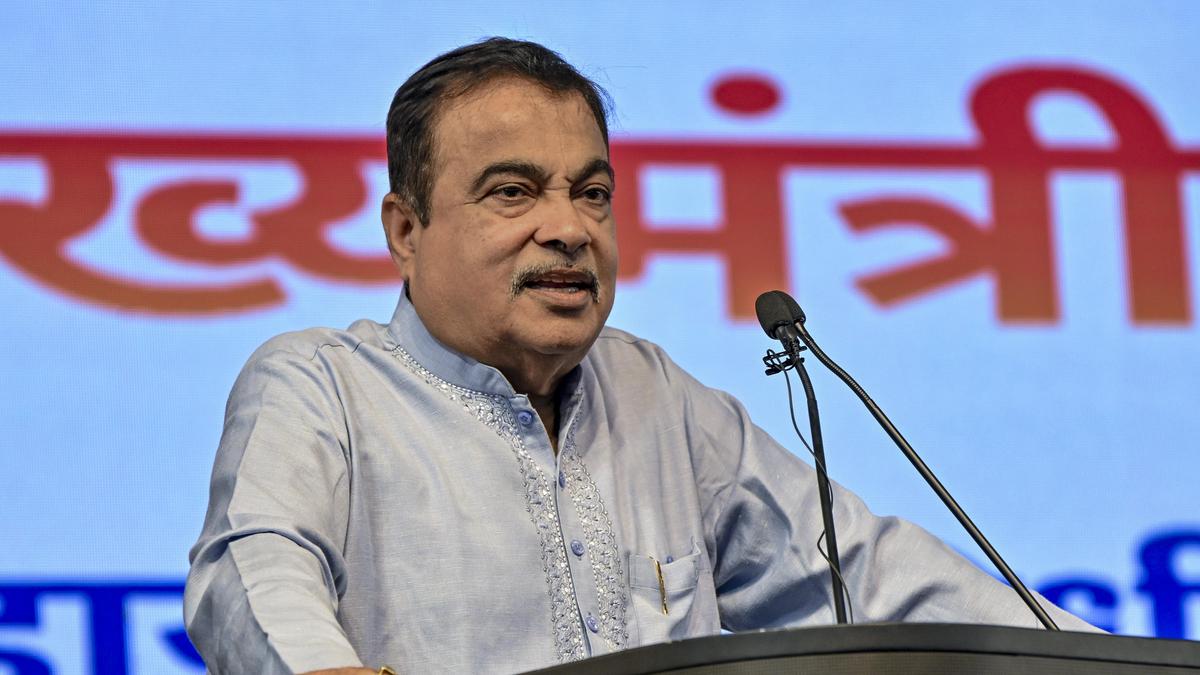
The Bombay High Court has scheduled an August 5 hearing for Union Minister Nitin Gadkari’s defamation suit against Meta, X, and Google. The suit seeks damages and the removal of AI-generated deepfakes that falsely implicate him and his family in financial gains related to the national Ethanol Blending Programme.
Legal Battle Over AI-Generated Defamation
The Bombay High Court has deferred the hearing for a high-profile defamation suit filed by Union Minister Nitin Gadkari until August 5, 2026. The legal action targets major technology platforms—Meta, X, and Google—alongside unknown individuals, following the circulation of AI-generated deepfake content. These fabricated videos have specifically targeted the Minister’s reputation by falsely linking him and his family to financial irregularities associated with the Centre’s Ethanol Blending Programme (EBP).
The Core of the Allegations
At the heart of the litigation is the claim that the digital content is not only defamatory but also represents a severe infringement on the Minister’s personality rights. Mr. Gadkari’s legal team, led by advocate Sandeep S. Ladda, asserts that the content falsely suggests his personal involvement in financial gains tied to the EBP. Furthermore, the suit clarifies that the ethanol program falls under the jurisdiction of a different ministry, rendering the claims in the viral videos factually inaccurate and malicious.
Judicial Proceedings and Procedural Steps
The Bench of Justice Arif Doctor, presiding over the matter on July 28, 2026, directed the petitioner to serve formal copies of the civil suit to all named respondents. This procedural step is essential for the legal process to move forward, ensuring that the tech giants are fully apprised of the claims. Previously, on July 27, Justice Abhay Ahuja had noted the historical context of the EBP, which was established as a national policy in 2003 to facilitate the blending of ethanol with petrol, establishing the baseline against which the false claims are being measured.
The Impact of Deepfakes on Public Figures
This case underscores the growing threat of AI-generated misinformation in the political sphere. By seeking damages of ₹11 crore and a permanent injunction against the circulation of such content, Mr. Gadkari is attempting to hold platforms accountable for the speed and scale at which defamatory content spreads. The suit emphasizes the "irreparable harm" caused to an individual’s reputation when sophisticated technology is weaponized to create convincing, yet entirely fictitious, narratives.
Broader Implications for Digital Governance
The outcome of this case may set a significant precedent for how Indian courts handle intermediary liability regarding AI-generated content. As political figures increasingly become targets of deepfake campaigns, the pressure on social media companies to implement more robust detection and takedown mechanisms is intensifying. The court’s eventual ruling will likely influence future policies regarding the duty of care that digital platforms owe to individuals when their systems are used to propagate harmful, falsified information.
Conclusion
As the August 5 hearing approaches, the focus remains on the judiciary's role in balancing the protection of individual personality rights against the complexities of digital platform regulation. The case of Nitin Gadkari serves as a critical test case for the legal framework governing AI-generated disinformation in India, highlighting the urgent need for clearer guidelines on the removal of malicious content that threatens the integrity of public discourse.
Verification Required?