20-minute meeting, 2 letters: What Trinamool MP Abhishek Banerjee told Speaker Om Birla
Source Entity
Tanusree Bose
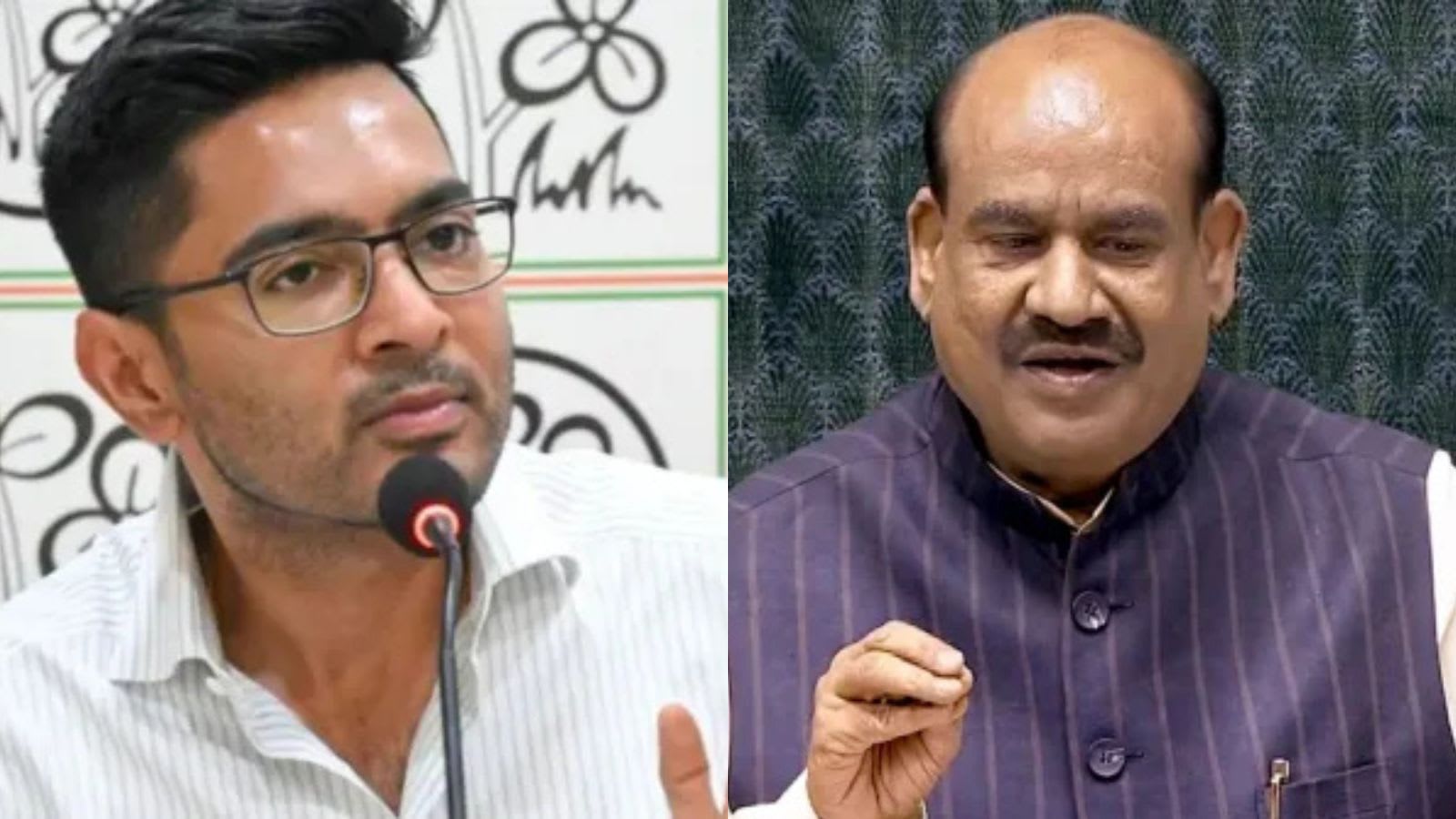
TMC leader Abhishek Banerjee met Lok Sabha Speaker Om Birla to demand the disqualification of 20 rebel MPs who joined the NCPI. The meeting also addressed concerns over parliamentary seating arrangements, though the Speaker provided no immediate resolution.
Tensions Escalate: TMC Challenges Rebel MPs in Parliament
In a significant political development, Trinamool Congress (TMC) general secretary Abhishek Banerjee held a high-stakes, 20-minute meeting with Lok Sabha Speaker Om Birla this past Monday. The core of this encounter involved the submission of two formal letters addressing the status of 20 Members of Parliament who were elected under the TMC banner but have since defected to the National Citizens’ Party of India (NCPI). This meeting underscores the growing friction between established party leadership and dissenting factions within the Indian parliamentary framework.
The Legal and Procedural Impasse
At the heart of the dispute is the anti-defection law, which serves as a cornerstone for maintaining party discipline in the Lok Sabha. Banerjee’s primary contention is that more than five weeks have elapsed since the formal filing of disqualification petitions, yet the Speaker’s office has failed to issue notices or schedule hearings. By seeking an expedited decision, the TMC is attempting to leverage the Speaker’s constitutional authority to solidify party control over its elected representatives and prevent further fragmentation of their legislative bloc.
The Politics of Parliamentary Representation
Beyond the disqualification petitions, the meeting also touched upon the practical, yet politically symbolic, issue of seating arrangements. Banerjee requested a formal review of where these rebel members are placed within the House. Seating in the Lok Sabha is not merely a matter of logistics; it is a visual representation of parliamentary loyalties. By challenging the current arrangements, the TMC is signaling that it no longer recognizes the rebels as part of their legislative party, aiming to force a definitive administrative stance from the Speaker’s office.
Implications for Legislative Stability
This standoff highlights the broader challenges facing the office of the Speaker in managing internal party conflicts. When MPs shift allegiances, the Speaker is often caught between competing legal interpretations of the Tenth Schedule of the Constitution. The lack of a clear response from Speaker Om Birla during the meeting suggests that the office is treading carefully, likely awaiting further legal verification or procedural assessment before taking action that could fundamentally alter the composition of the House.
Future Trends and Political Fallout
The persistence of the TMC in pursuing these petitions suggests a long-term strategy aimed at reclaiming the party's legislative identity. Should the Speaker move forward with the disqualification process, it could trigger a wave of by-elections, potentially shifting the balance of power within specific constituencies. Conversely, if the petitions remain stalled, it may set a precedent for how loosely defined party allegiances are handled in future parliamentary sessions, potentially weakening the efficacy of anti-defection measures across the political spectrum.