Deflock Casa Grande
Source Entity
Hacker News
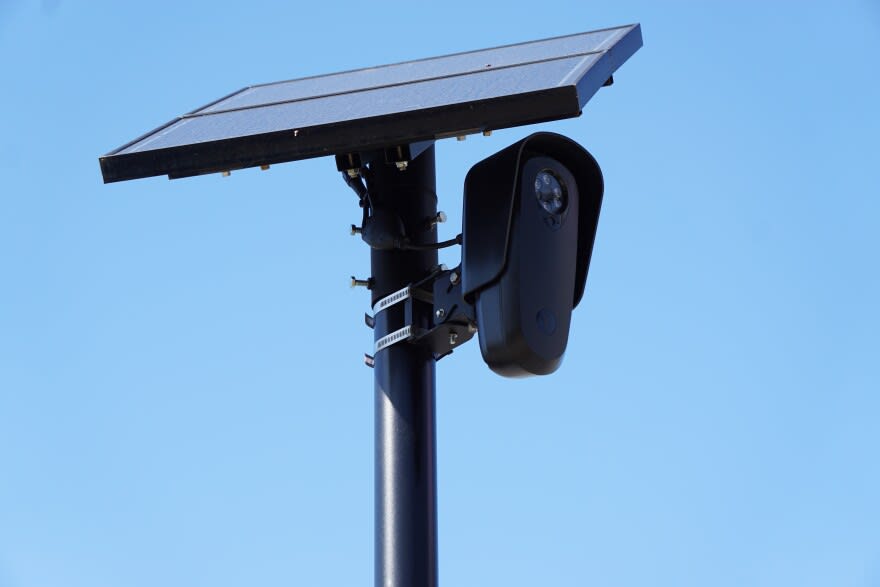
Internal city emails reveal that surveillance systems intended for vehicle tracking are being used to monitor student protesters and individuals. This discrepancy between official public statements and documented operational use raises significant concerns regarding privacy and transparency.
The Transparency Gap: Surveillance in Casa Grande
The recent disclosure of internal city communications from January 30, 2026, has brought to light a significant discrepancy regarding the operational scope of surveillance technology in Casa Grande. While residents were assured that the city's camera systems were strictly limited to tracking vehicular data, internal records suggest a much broader application. The documentation explicitly lists the 'monitoring of a student protest at City Hall' as a successful use case for the system, contradicting the narrative provided to the general public.
Expanding the Scope of Surveillance
Beyond the monitoring of political demonstrations, the system's capabilities are being leveraged for more invasive purposes than initially disclosed. The city’s own records indicate that the technology has been utilized to 'identify involved parties' and 'monitor activity' in real-time before law enforcement personnel even arrive on the scene. This shift from passive data collection—such as tracking license plates—to active surveillance of individuals represents a substantial evolution in municipal monitoring practices that has not been adequately communicated to the citizenry.
The Misalignment of Public Policy and Practice
There is a fundamental misalignment between the stated policy and the reality of municipal surveillance. Residents were led to believe that the infrastructure served a limited, non-intrusive function focused on traffic management and public safety. However, the inclusion of 'missing or endangered individuals' alongside 'student protesters' in the same internal report indicates that the system is being used as a catch-all tool for law enforcement. This ambiguity raises serious ethical questions about how the city defines 'involved parties' and what triggers the activation of such intrusive tracking measures.
Analyzing the Nature of the Protests
It is critical to note that the internal emails referencing the 'student protest' do not cite any instances of violence, criminal activity, or threats to public safety. By characterizing these events as mere 'wins' for the camera system, the city appears to be prioritizing the data-gathering capabilities of its technology over the constitutional right of its citizens to engage in peaceful protest. This suggests an institutional culture that views civic engagement as a target for surveillance rather than a protected democratic activity.
Historical Context and Future Implications
Historically, the introduction of smart city technologies is often framed as a benign upgrade to infrastructure. However, the Casa Grande case demonstrates the 'function creep' that often accompanies such rollouts, where tools initially sold for traffic or public safety are repurposed for social control. If the city continues to operate under a veil of obscured intent, it risks eroding the trust of its residents. Moving forward, the lack of transparency regarding these surveillance capabilities may trigger calls for stricter local ordinances and independent audits to ensure that technology is not being misused to stifle dissent or infringe upon personal privacy.