"21 Students Died, And BJP Garlanded Dharmendra Pradhan": Congress' Gaurav Gogoi
Source Entity
NDTV News Search Records Found 1000
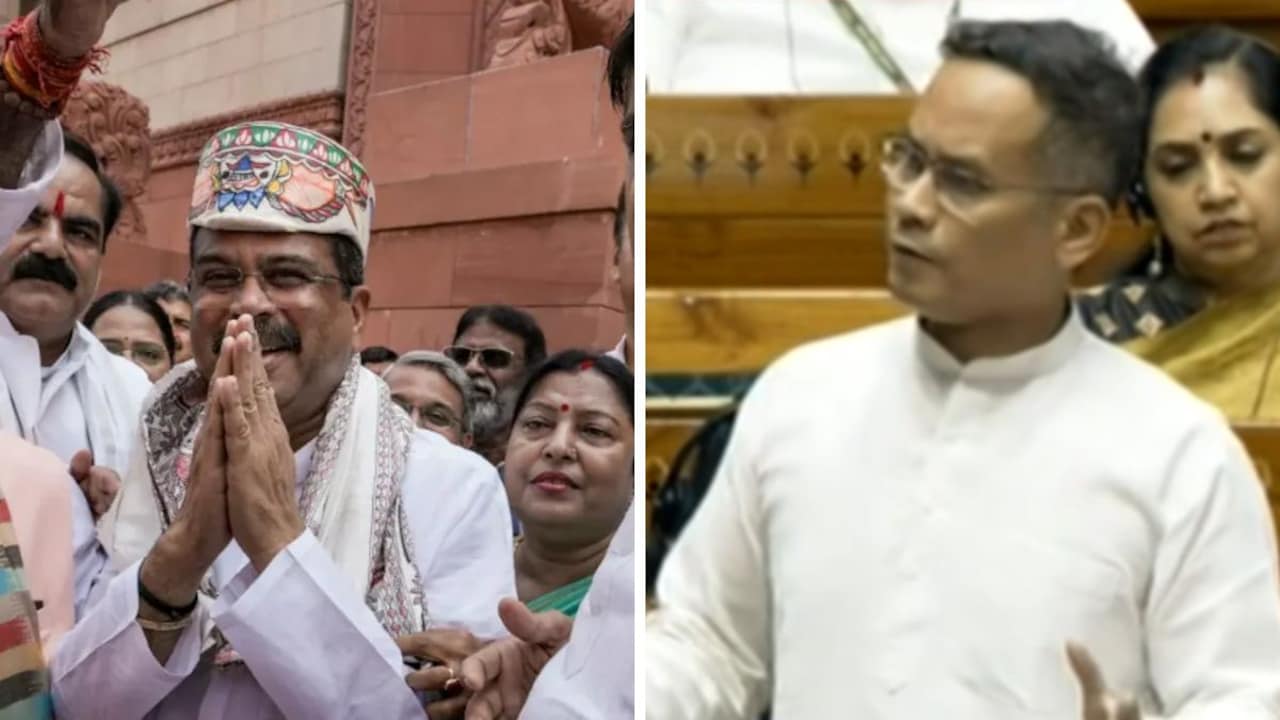
The Cockroach Janta Party has ended its protest at Jantar Mantar after the Centre agreed to their demands, including the withdrawal of legal cases and compensation. Simultaneously, political tensions remain high as Union Minister Dharmendra Pradhan faces criticism and a tragic suicide involving a NEET aspirant highlights ongoing societal pressures.
Political Tensions and Protest Resolutions in Delhi
The Resolution of the Cockroach Janta Party Protest
The recent conclusion of the protest led by the Cockroach Janta Party (CJP) at Jantar Mantar marks a significant moment in the current political landscape. Following three intensive rounds of negotiations with a government delegation, including Union Ministers Jitendra Singh and J.P. Nadda, the CJP officially agreed to withdraw its demonstration on July 25, 2026. National spokesperson Ashutosh Ranka confirmed that the Centre had acceded to their primary demands, which included the withdrawal of all FIRs filed against protesters and organizers, a guarantee against future legal action, and a compensation package of ₹1 crore for affected families.
Parliamentary Friction and the 'Street Fighter' Response
While the CJP protest reached a resolution, the political climate remains volatile within the halls of Parliament. Union Minister Dharmendra Pradhan, who was formally welcomed by ruling party MPs on Monday, found himself at the center of a heated exchange with the Congress opposition. In response to a dismissive remark regarding the ongoing political instability, Pradhan asserted his resilience, declaring, "I'm a street fighter." This interaction underscores the deepening polarization between the ruling government and the opposition, setting a combative tone for the current legislative session.
The Human Cost: NEET Aspirant Tragedy
Amidst these macro-political developments, a somber event occurred involving a 19-year-old NEET aspirant named Ankita, who died by suicide on Saturday. Found hanging in her room at approximately 4:30 pm, her passing serves as a stark reminder of the immense academic and psychological pressures placed upon students in India. While this incident is distinct from the political theater at Jantar Mantar, it reflects the broader societal challenges that often intersect with political discourse, as the government continues to navigate public scrutiny over educational policies and student welfare.
Analyzing the Intersection of Policy and Protest
The convergence of these events—a high-profile political protest, parliamentary posturing, and a tragic loss of life—paints a complex picture of contemporary India. The CJP's success in negotiating with the central government suggests a willingness to de-escalate through dialogue, yet the lingering friction involving figures like Dharmendra Pradhan indicates that underlying grievances remain largely unresolved. The government’s decision to provide compensation and drop legal cases reflects a strategic move to restore order in the capital, yet the necessity of such measures highlights the intensity of the agitation that led to the standoff.
Future Implications and Societal Trends
Looking ahead, the resolution at Jantar Mantar may serve as a blueprint for other advocacy groups seeking to challenge government policy. However, the recurring nature of these protests suggests that the administration will continue to face pressure to address systemic issues, from educational systemic reform to political accountability. As the nation moves forward, the ability of the government to balance these competing demands while addressing the mental health and economic needs of its citizens will determine the stability of the current political order.
Multiple Citing Sources
Verification Required?