India-US ramp up defence and civil nuclear cooperation; supply chains, AI in focus
Source Entity
TRISHA MAHAJAN
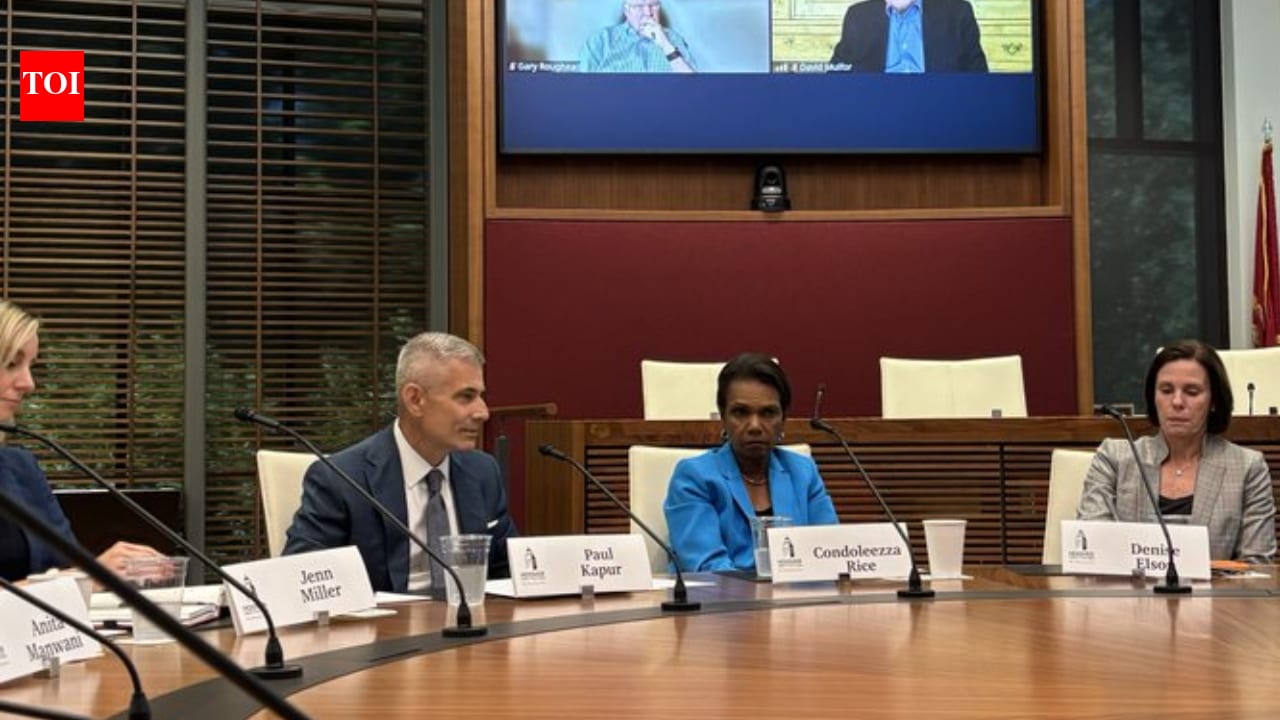
The U.S. and India are deepening their strategic partnership through expanded defense, civil nuclear energy, and AI cooperation. This initiative aims to bolster regional supply chains and economic growth for both nations.
Strengthening the U.S.-India Strategic Partnership
Recent statements from U.S. Assistant Secretary of State S. Paul Kapur underscore a significant pivot in the bilateral relationship between the United States and India. By prioritizing defense, civil nuclear energy, and trusted artificial intelligence (AI), both nations are moving beyond traditional trade ties toward a more integrated technological and security architecture. This shift, highlighted at a Hoover Institution roundtable, reflects a long-term commitment to shared regional interests.
The Pillars of Cooperation: Defense and Nuclear Energy
India has dramatically increased its defense procurement from the United States over the last twenty years, transitioning from a buyer of legacy systems to a partner in defense modernization. The current expansion of this partnership is not merely transactional; it is aimed at interoperability. Furthermore, the acceleration of civil nuclear cooperation—facilitated by India’s recent amendments to its liability framework—marks a milestone that promises to provide clean energy solutions while deepening the industrial ties between the two nations.
AI and the Digital Economy
The integration of 'trusted AI' into this partnership is a strategic maneuver to secure the future of the digital economy. By focusing on emerging technologies, the U.S. and India are attempting to establish standards that align with democratic values and regional security. This focus on 'trusted' technology acts as a safeguard against regional geopolitical rivals, ensuring that critical infrastructure and data networks remain resilient against external interference.
Economic Impact and Supply Chain Resilience
A core argument presented by the Trump administration official is that this engagement is mutually beneficial, specifically regarding job creation and supply chain stability. By diversifying supply chains away from over-reliance on single markets, the U.S. is effectively using its partnership with India to buffer against global economic volatility. This strategy is essential for maintaining a robust domestic manufacturing base while fostering growth within the Indian technology sector.
Historical Context and Future Trajectory
This current phase of cooperation is the culmination of two decades of diplomatic effort, involving high-level stakeholders such as former Secretary of State Condoleezza Rice and former Ambassador David C. Mulford. The institutional knowledge and bipartisan support for this relationship suggest a long-term trajectory that will likely persist regardless of short-term political shifts. As both nations continue to align their policies, the focus will likely remain on scaling these technological initiatives to meet the demands of a changing global landscape.
Conclusive Summary
The deepening of U.S.-India ties represents a fundamental realignment of global strategic interests. By embedding cooperation in the high-stakes sectors of defense, nuclear energy, and AI, both countries are not only securing their own economic futures but are also creating a more stable geopolitical environment in the Indo-Pacific region. The success of these initiatives will depend on the continued adherence to regulatory reforms, such as the nuclear liability framework, and the sustained commitment to shared technological standards.
Multiple Citing Sources