Delhi govt to provide ₹2,500 monthly to women under Lakshmi Yojana; registrations from Aug 1
Source Entity
Latest News: Todays Latest News Headlines from India & World | Hindustan Times | Hindustan Times
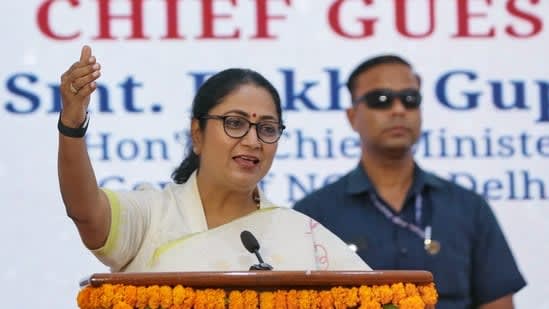
The Delhi government has approved the 'Delhi Lakshmi Yojana,' providing ₹2,500 monthly to eligible women from EWS backgrounds. Registrations begin August 1, with the first payments targeted for Raksha Bandhan.
Launch of the Delhi Lakshmi Yojana: Empowering Women Through Financial Support
The Delhi government has officially moved to fulfill a significant campaign commitment with the cabinet approval of the 'Delhi Lakshmi Yojana.' This social welfare initiative is designed to provide direct financial assistance of ₹2,500 per month to eligible women from Economically Weaker Sections (EWS). By targeting this demographic, the government aims to provide a robust safety net for women aged 21 to 60, directly addressing the economic challenges faced by low-income households in the capital.
Implementation Timeline and Registration
Administrative preparations for the scheme are moving rapidly, with the government announcing that the dedicated portal for registrations will go live on August 1. Chief Minister Rekha Gupta emphasized the government's intent to streamline the verification process, aiming to disburse the inaugural installment by the festival of Raksha Bandhan. This timeline reflects a strategic effort to maximize the social impact of the rollout, ensuring that the financial aid reaches beneficiaries during a period of cultural significance.
Eligibility Criteria and Fiscal Scope
Unlike broad-based cash transfer programs, the Delhi Lakshmi Yojana incorporates specific eligibility conditions and exclusions to ensure the funds reach the intended demographic. Notably, the scheme includes clauses regarding family size, specifically excluding women with more than three children from the benefit. With a budget allocation of ₹5,110 crore for the 2026-27 fiscal year, the government expects to support approximately 17 lakh women, highlighting the massive scale of this fiscal intervention.
Broader Socio-Economic Implications
This policy represents a targeted approach to poverty alleviation in an urban context. By setting an age range of 21 to 60 years and focusing on EWS families, the government is attempting to stabilize household finances for women who may be struggling with the rising cost of living in Delhi. The emphasis on 'scrutiny and approval' suggests that the administration is prioritizing fiscal discipline and accurate targeting to prevent leakage and ensure the sustainability of the ₹5,110 crore fund.
Political Context and Future Trends
As a cornerstone of the ruling party’s recent poll promises, the successful implementation of the Delhi Lakshmi Yojana is a critical benchmark for the administration. The ability to launch the portal by August 1 and meet the Raksha Bandhan disbursement target will likely be viewed as a litmus test for the government's execution capabilities. Future trends in this policy space will likely involve monitoring the socio-economic outcomes of the beneficiaries and the long-term impact of such conditional cash transfers on urban poverty metrics in the capital.
Verification Required?