'Completely unacceptable': Kangana Ranaut on 'filthy abuse' hurled at PM Modi's late mother by CJP protesters
Source Entity
Latest News: Todays Latest News Headlines from India & World | Hindustan Times | Hindustan Times
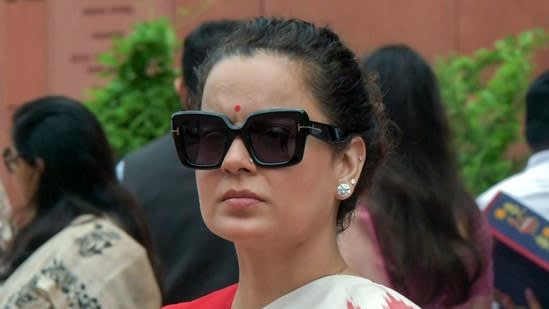
BJP MP Kangana Ranaut has sparked controversy by condemning Gen Z protesters at Jantar Mantar for alleged abusive language against PM Modi. She defended public retaliation against activists, labeling the protesters as part of a 'generation gutter' lacking traditional values.
The Controversy Surrounding CJP Protests and Kangana Ranaut's Stance
A Clash of Ideologies in Modern India
The recent protests at Delhi's Jantar Mantar, involving members of the Cockroach Janta Party (CJP), have ignited a fierce political firestorm. At the center of this discourse is BJP Member of Parliament Kangana Ranaut, who has vehemently condemned the behavior of young protesters. Her remarks highlight a deepening generational and ideological divide within the country, where the traditional values upheld by the current political establishment clash with the expressive, often disruptive, methods of Gen Z activism.
The Politics of Language and Respect
Ranaut’s primary grievance centers on the use of what she describes as "filthy abuse" directed at Prime Minister Narendra Modi and his late mother. By labeling such conduct "completely unacceptable" in a democracy, the MP is emphasizing the boundaries of political dissent. The situation escalated to the point where the Delhi Police had to intervene, directing social media platforms to scrub offensive content. This underscores a growing tension regarding the limits of free speech versus the preservation of institutional dignity.
Defining the 'Generation Gutter'
In a series of highly charged statements, Ranaut categorized the young women participating in these protests as part of a "generation gutter." She criticized these individuals for allegedly prioritizing "westernized" lifestyles over academic or domestic pursuits, further accusing them of "flaunting" behaviors like drug and alcohol consumption. This rhetoric suggests a belief that the protesters are mimicking the aesthetics of independent career women without possessing the requisite discipline or professional foundation, framing their activism as performative rather than substantive.
The Justification of Public Retaliation
Perhaps the most controversial aspect of Ranaut's commentary is her defense of the physical confrontations faced by protesters. Citing the principle that "every action has an equal and opposite reaction," she argued that those who "damage public property" or use "gandi gaaliyan" (dirty abuses) should expect to face consequences from a public that feels protective of the government they elected. This perspective posits that the right to protest is not absolute and that the public has a reciprocal right to respond to rhetoric they deem offensive.
Broader Implications for Democratic Discourse
The discourse surrounding these events reflects a broader trend in Indian politics: the weaponization of social media and the increasing polarization of the youth demographic. As the CJP movement continues to garner attention, it raises critical questions about how dissent is expressed in the digital age. Ranaut’s stance serves as a stark reminder of the government's intolerance for what it perceives as disrespectful or destructive protest tactics, setting the stage for ongoing friction between the state and emerging activist movements.
Conclusion: The Future of Protest
Looking forward, the tension between the "Generation Gutter" narrative and the rights of student activists will likely shape future legislative and social responses to public demonstrations. As the country navigates these competing visions of nationalism and individual expression, the interaction between public sentiment, police action, and political rhetoric will remain a focal point for observers of India's evolving democratic landscape.
Multiple Citing Sources
Verification Required?