US-backed vaccine trial on babies canceled after international outcry
Source Entity
Beth Mole
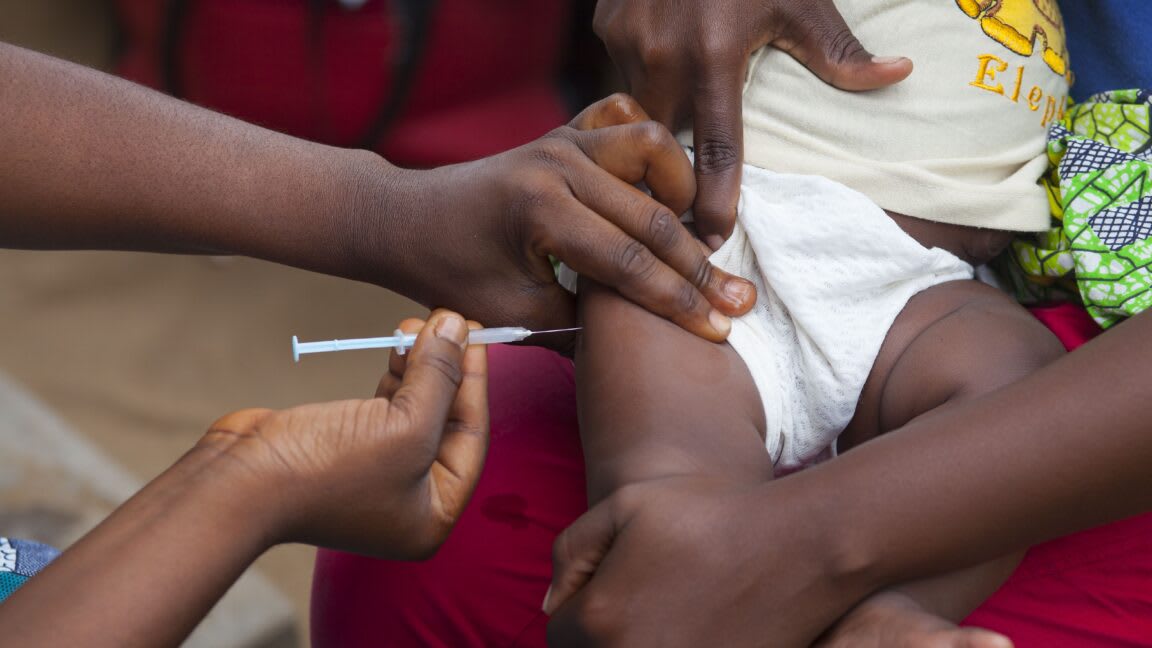
Guinea-Bissau officials have halted a US-funded clinical trial investigating alleged non-specific harms of the infant hepatitis B vaccine. The decision followed a police raid on the research offices and widespread international concern over the study's scientific premise.
The Collapse of a Controversial Vaccine Trial in Guinea-Bissau
Recent developments in Guinea-Bissau have brought a contentious clinical trial to an abrupt end. Government authorities have officially rejected a study, funded by the United States and led by researchers from the University of Southern Denmark, that aimed to investigate purported non-specific harms associated with the standard newborn dose of the hepatitis B vaccine. This decision follows a dramatic intervention by judicial police, who raided the offices of the Bandim Health Project to seize vaccine supplies, signaling a definitive government stance against the research.
Scientific Context and Global Standards
The hepatitis B vaccine has long been a cornerstone of global public health. Recommended by the World Health Organization and health agencies worldwide for all newborns, the vaccine has been administered safely for decades, significantly reducing the global incidence of the virus. The proposed study, which sought to challenge the safety profile of this established intervention, faced immediate scrutiny from the international scientific community. Critics argued that the study’s premise lacked a robust foundation, potentially undermining decades of evidence supporting the vaccine’s safety and efficacy.
Regulatory Rejection and Enforcement
The formal rejection, confirmed by lead researcher Christine Stabell Benn, serves as a testament to the sovereign authority of Guinea-Bissau’s Council of Ministers. By reaffirming their non-acceptance of the study on October 16, the government effectively halted the trial before it could progress further. The subsequent seizure of materials by judicial police underscores the gravity with which the local government viewed the unauthorized nature of the research, ensuring that the controversial trial could not proceed under the auspices of the Bandim Health Project.
Broader Implications for Global Health Research
This incident highlights the complex intersection of international research funding and local regulatory oversight. When foreign-funded studies seek to investigate established global medical protocols, they often face intense ethical and political scrutiny. The case in Guinea-Bissau serves as a reminder that researchers must navigate not only the rigors of scientific methodology but also the socio-political landscapes of the host nations. The international outcry surrounding this trial demonstrates the sensitivity of vaccine research and the public's demand for rigorous, evidence-based practices.
Future Trends in Clinical Oversight
Looking forward, this event may lead to more stringent requirements for international research collaborations in developing nations. Future trials will likely face increased pressure to demonstrate transparency and alignment with established global health standards before receiving local authorization. As the global community continues to prioritize immunization, the oversight mechanisms governing such studies will undoubtedly be subjected to higher levels of scrutiny to ensure that public trust in life-saving vaccines remains intact.
Conclusion
The cancellation of the hepatitis B vaccine trial in Guinea-Bissau marks a significant victory for the preservation of established public health protocols. By effectively blocking a study that questioned a globally accepted safety standard, the government has reaffirmed its commitment to evidence-based medical practices. This episode serves as a critical case study for the importance of regulatory vigilance and the necessity of aligning international research goals with the established safety consensus of the global medical community.