Delhi High Court bans fake diabetes, BP cure videos misusing renowned surgeon’s identity
Source Entity
Vineet Upadhyay
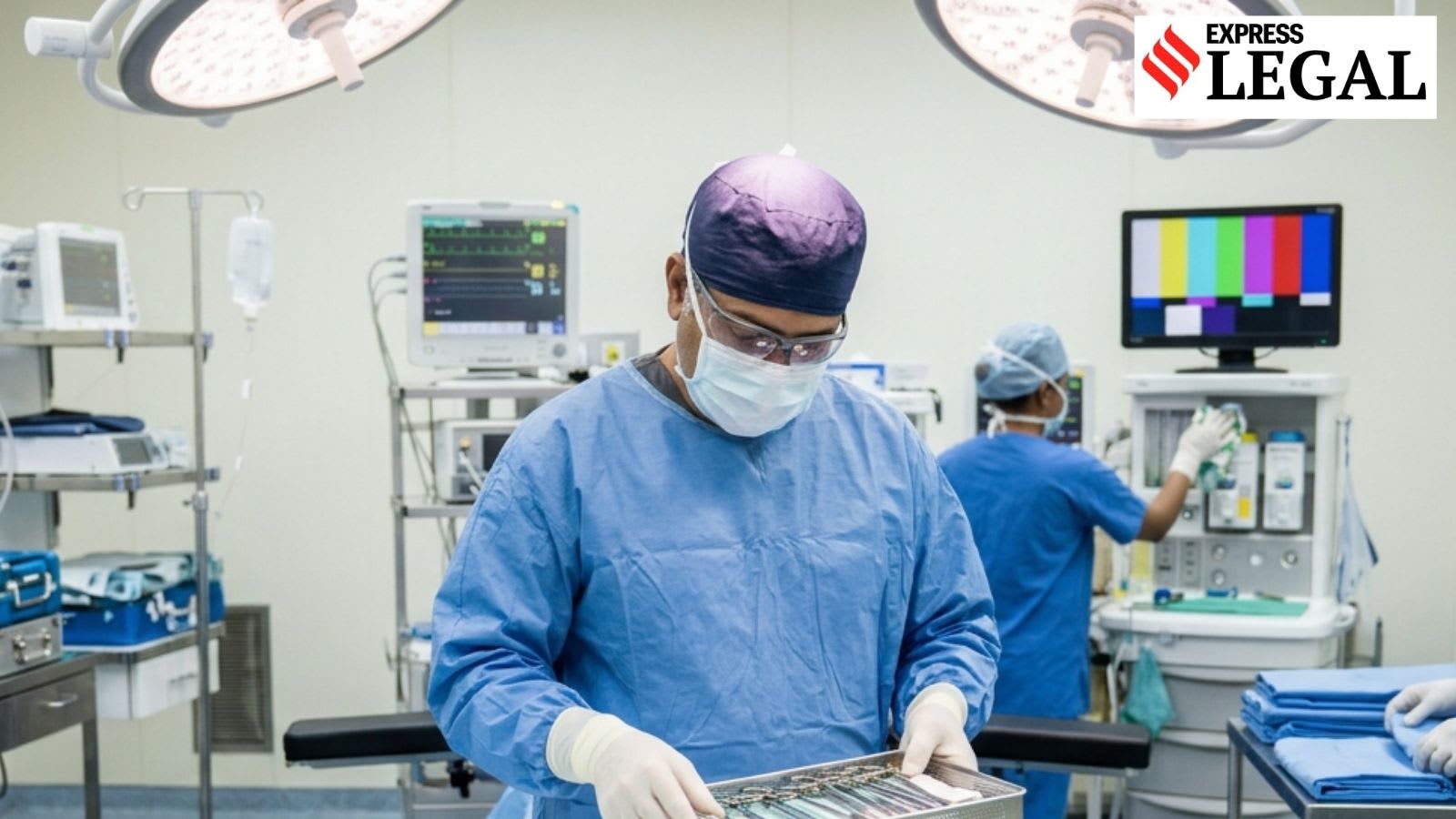
The Delhi High Court has issued a permanent injunction against social media operators misusing Dr. Devi Shetty's identity to promote fake medical cures. This ruling aims to protect both the surgeon's reputation and public safety against dangerous medical misinformation.
Delhi High Court Takes Decisive Action Against Medical Misinformation
In a landmark ruling, the Delhi High Court has issued a permanent injunction against various social media operators who were found to be misappropriating the identity of renowned cardiac surgeon Dr. Devi Shetty. The legal action, presided over by Justice Purushaindra Kumar Kaurav, addressed the proliferation of fabricated videos that falsely attributed endorsements of miracle cures for diabetes and high blood pressure to the doctor. By leveraging the reputation of a trusted medical professional, these bad actors sought to lend false credibility to unverified and potentially hazardous medicinal products.
The Intersection of Digital Identity and Public Health
The misuse of a medical expert's persona in the digital space creates a dangerous environment where vulnerable populations, specifically those suffering from chronic illnesses, may be misled into abandoning evidence-based treatments. The court explicitly noted that such deceptive practices do not merely infringe upon the personal and professional rights of the doctor but pose a severe threat to public safety. When patients trust an authority figure, they are more likely to act on misinformation, which can lead to life-threatening complications if they bypass traditional medical protocols in favor of fraudulent remedies.
Legal Precedent and Platform Accountability
This lawsuit, filed by Dr. Devi Shetty and his associated healthcare organization, targeted not only the individual creators of these deceptive videos but also major technological entities including Meta Platforms Inc. and Google LLC. The court’s decision to make the earlier injunction absolute underscores a growing judicial trend in India: holding both the primary perpetrators and the digital platforms that host them accountable. This highlights the increasing responsibility of social media giants to monitor and remove content that engages in identity theft and public health deception.
Implications for Healthcare Professionals
For the medical community, this ruling provides a vital shield against the unauthorized exploitation of their professional standing. As digital media becomes a primary source of information for patients, the risk of 'deepfakes' or manufactured endorsements has surged. By granting this permanent injunction, the Delhi High Court has set a firm boundary, signaling that the misuse of a doctor's reputation for commercial gain through medical misinformation will be met with severe legal consequences.
Future Trends in Digital Safety
Looking ahead, this case serves as a harbinger for future regulatory frameworks regarding artificial intelligence and digital content moderation. As fabricated content becomes easier to produce, the legal system will likely continue to evolve to protect individual identities and public health. This ruling forces social media platforms to implement more robust screening processes to detect and dismantle deceptive content before it can reach large audiences, thereby fostering a safer digital ecosystem for medical information.
Concluding Summary
The permanent injunction granted by the Delhi High Court represents a significant victory for medical integrity and patient protection. By curbing the activities of those who profit from the fraudulent use of a surgeon's identity, the court has reinforced the necessity of truth in medical advertising. This case serves as a crucial reminder of the legal avenues available to professionals to combat the erosion of trust caused by digital misinformation.