Interpol arrests ex-aide of gangster Iqbal Mirchi in Dubai, hands him over to Gujarat Police
Source Entity
The Indian Express
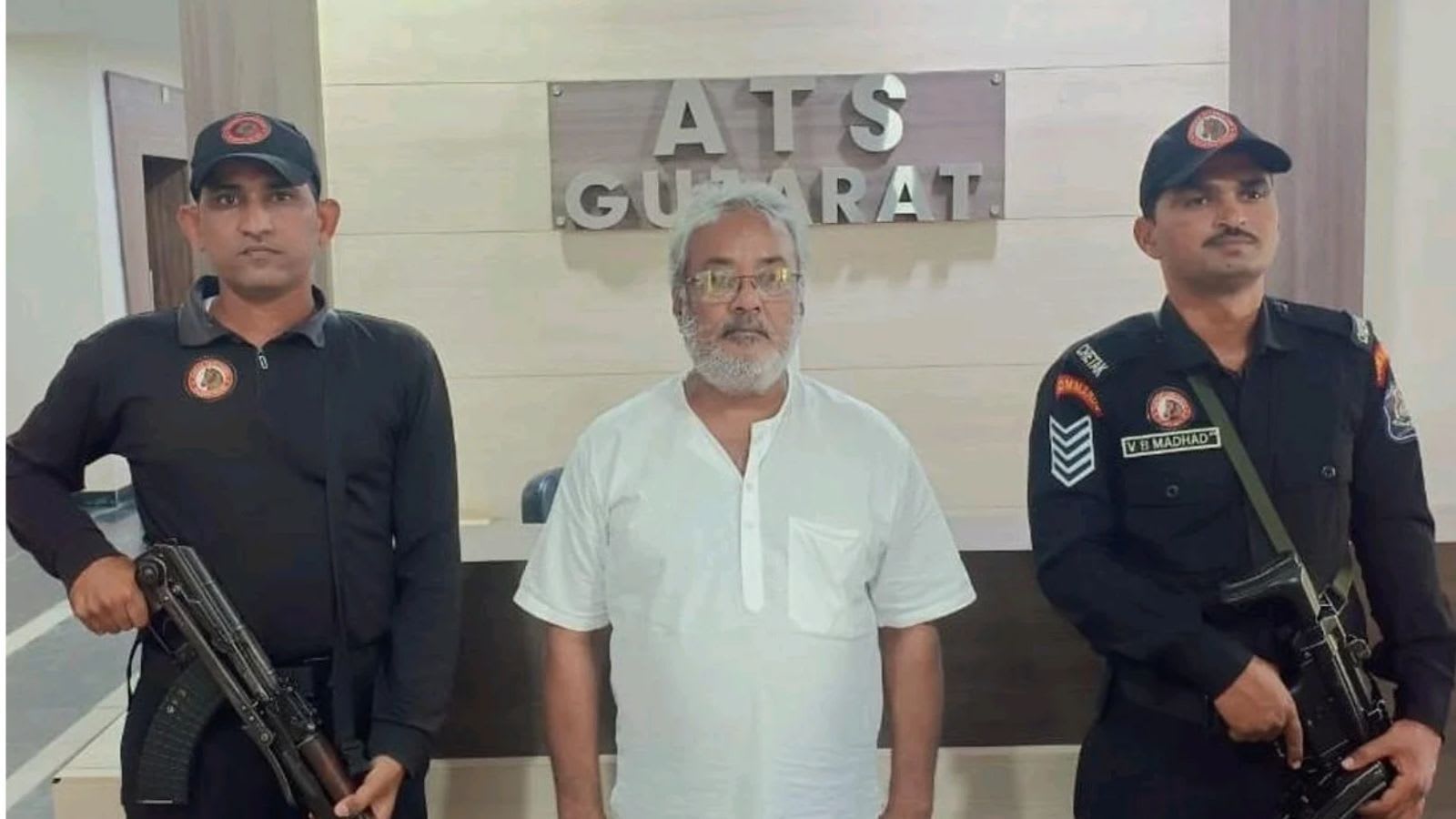
The Gujarat ATS has arrested international drug trafficker Salim Ismail Dola in connection with a 2022 seizure of mephedrone worth ₹438.64 crore. Dola, who was deported from Turkiye earlier this year, is accused of orchestrating complex supply chains and using dummy companies for illicit narcotics exports.
The Arrest of Salim Dola: Dismantling a Complex Drug Network
The Gujarat Anti-Terrorist Squad (ATS) has achieved a significant breakthrough in the fight against narcotics trafficking with the arrest of Salim Ismail Dola. This high-profile arrest is directly linked to a massive 2022 operation where authorities seized mephedrone valued at approximately ₹438.64 crore from a factory located in Vadodara. Dola’s capture represents the culmination of a long-term investigative effort that spanned international borders, highlighting the sophisticated nature of modern drug syndicates.
The Mechanics of the Smuggling Syndicate
According to official reports, Dola acted as a central figure in the drug manufacturing and distribution pipeline. His involvement was not limited to mere transportation; he allegedly supplied the essential chemicals required for the synthesis of mephedrone and subsequently managed the acquisition and sale of the finished product. This end-to-end involvement suggests a high level of operational control within the illicit drug economy.
Global Logistics and Evasion Tactics
Perhaps most indicative of the sophistication of this network was the use of legitimate international trade routes. The syndicate, as described by investigators, concealed narcotics within containers of legally exported goods. To maintain this facade, Dola allegedly established dummy companies in various destination countries. By integrating illicit shipments into the global supply chain, the syndicate aimed to minimize risk and circumvent standard customs inspections.
International Cooperation and Deportation
The pursuit of Dola was a collaborative effort involving both state and national agencies. Following the issuance of an Interpol Red Notice, Dola was eventually tracked to Turkiye. In April of this year, the Narcotics Control Bureau (NCB) successfully brought him back to India to face the charges pending against him. His deportation serves as a testament to the effectiveness of international law enforcement cooperation in tracking fugitives who seek refuge abroad.
Broader Implications for Narcotics Enforcement
This case underscores the persistent challenge posed by synthetic drug manufacturing in India. The use of industrial facilities to produce narcotics, combined with the exploitation of legal export channels, requires a multi-agency approach to detection and prevention. The arrest of a key player like Dola is a critical step in disrupting the supply chain, yet it also highlights the need for continued vigilance regarding the diversion of precursor chemicals used in such manufacturing processes.
Future Trends in Drug Control
Moving forward, the prosecution of Salim Dola will likely provide deeper insights into the financing and logistical support of international drug cartels. As Indian authorities continue to tighten surveillance on export hubs and chemical supply chains, syndicates are being forced to alter their strategies. The success of this operation signals a robust trend toward leveraging international intelligence and inter-agency coordination to dismantle criminal networks that operate across multiple jurisdictions.