Police assaulted Surat lawyer, then abused their authority to file FIR: High Court
Source Entity
Aditi Raja
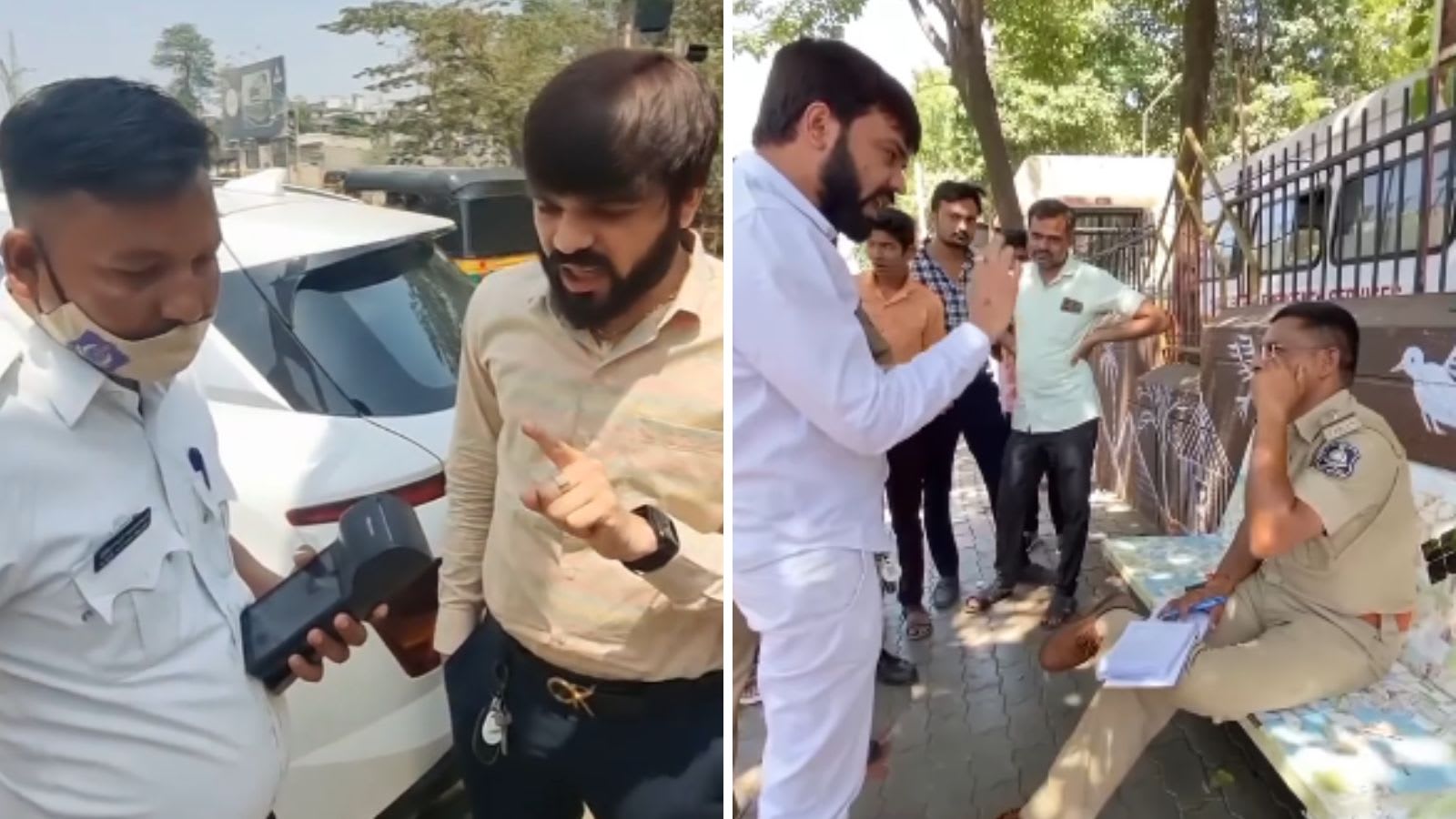
The Gujarat High Court has quashed a retaliatory FIR against Surat advocate Mehul Boghara, labeling it an abuse of police authority. The court found the police charges lacked legal merit and were filed only after the lawyer accused them of attempted murder.
Judicial Intervention in Surat: A Case of Police Overreach
The Gujarat High Court has delivered a scathing indictment of police conduct in a recent ruling that quashed an FIR filed against Surat-based advocate and social activist, Mehul Boghara. The court characterized the police action as a "classic counter-blast," noting that the FIR was registered only after Boghara had been physically assaulted and seriously injured by law enforcement officials. By filing their own complaint, the police effectively attempted to weaponize the legal system to silence a victim who had previously accused them of attempted murder.
The Abuse of Statutory Provisions
Justice P.M. Raval’s judgment highlights a concerning trend where procedural laws are manipulated to settle personal scores or deflect accountability. In this instance, the police invoked the Indian Penal Code (IPC) and the Scheduled Castes and Scheduled Tribes (Prevention of Atrocities) Act, 1989. The court found that the essential ingredients required to substantiate these grave charges were entirely absent, suggesting that the police utilized these sensitive statutes as a tactical tool to create leverage against the advocate rather than to uphold the rule of law.
Implications for Legal Advocacy and Activism
This case serves as a stark reminder of the vulnerability of those who act as both legal practitioners and social activists. When police forces use their authority to intimidate legal professionals, it undermines the foundational principle of access to justice. The court’s decision to quash the proceedings as an "abuse of the process of law" reinforces the judiciary's role as a necessary check against the potential excesses of executive authority within the police department.
Historical Context and Institutional Accountability
Historically, the misuse of the SC/ST Act and other penal provisions for retaliatory purposes has been a subject of intense legal debate in India. While these laws are crucial for protecting marginalized communities, their misapplication in this case points to a critical need for internal accountability mechanisms within the police force. By failing to provide evidence that met the legal threshold for the charges filed, the officers involved compromised the integrity of the institution they represent.
Future Trends in Judicial Oversight
As the judiciary continues to scrutinize "counter-blast" FIRs, we may see a shift toward stricter sanctions for officers found engaging in such practices. The Gujarat High Court’s firm stance sends a clear message that the court will not tolerate the use of criminal litigation as a shield for police misconduct. Moving forward, such rulings are likely to encourage higher standards of investigation and evidence-gathering, as the cost of malicious prosecution becomes increasingly clear for law enforcement agencies.
Conclusion
The quashing of the FIR against Mehul Boghara is a victory for the protection of legal rights and the integrity of the judicial system. It underscores that the power of the state to register criminal complaints is not absolute and must be exercised in accordance with the law. By stripping away the facade of the police’s retaliatory charges, the High Court has reaffirmed that the law cannot be used as a weapon to insulate perpetrators from the consequences of their actions.