Gujarat High Court questions repeated changes of prosecutor in 2019 custodial death case of Telangana migrant
Source Entity
Aditi Raja
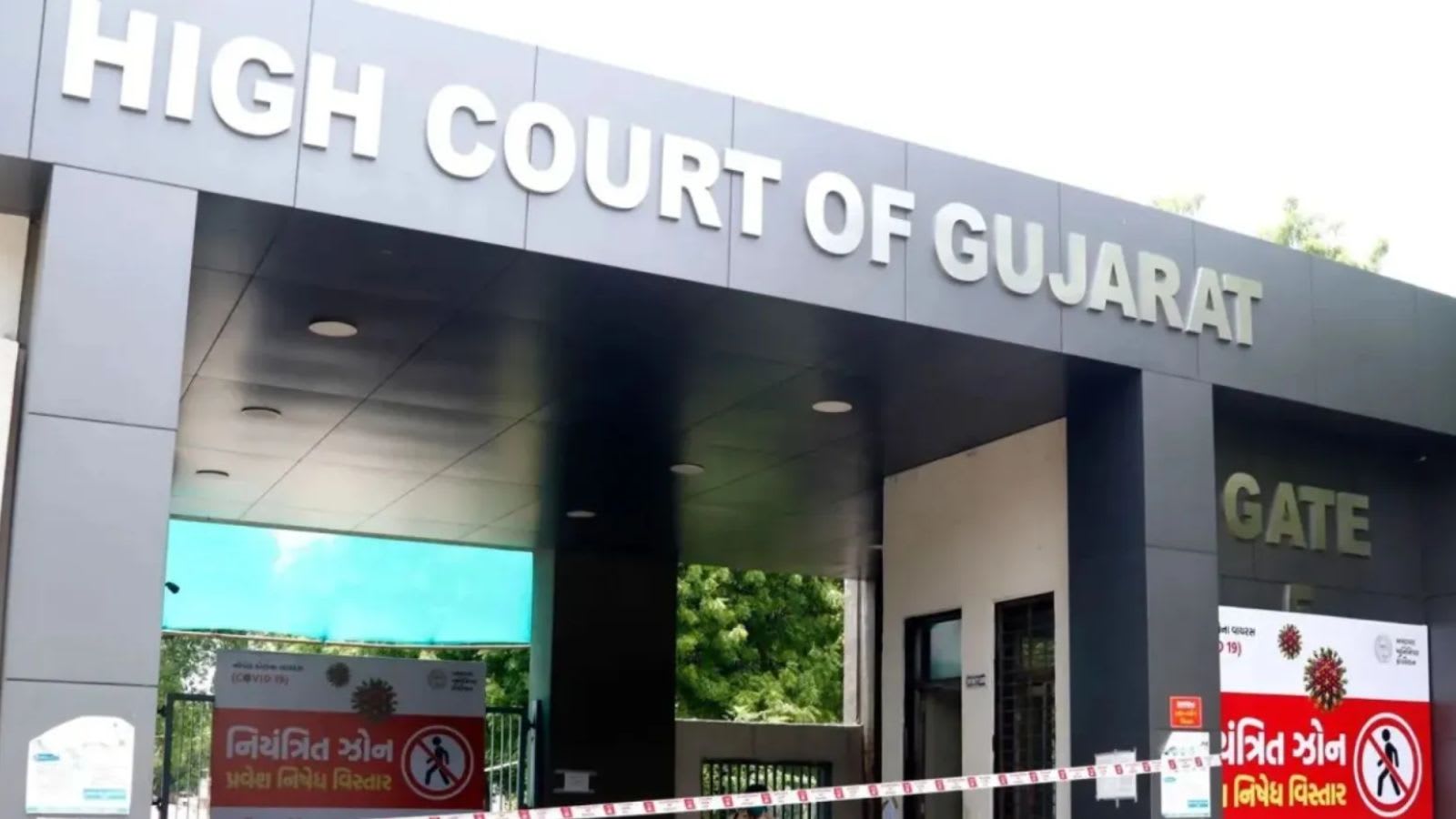
The Gujarat High Court has criticized the state government for frequently replacing the Special Public Prosecutor in the 2019 custodial death case of migrant worker Shaikh Babu Nisar. The court warned of future legal intervention if the state does not stabilize the prosecution team to prevent trial delays.
Judicial Scrutiny of Procedural Delays in Custodial Death Case
The Gujarat High Court has intervened in the ongoing legal proceedings surrounding the 2019 custodial death of Shaikh Babu Nisar, a migrant worker from Telangana. Justice M K Thakker expressed significant concern over the State government's pattern of repeatedly replacing the Special Public Prosecutor (SPP) assigned to the case. This judicial observation highlights a critical tension between administrative discretion and the right to a speedy trial, particularly in cases involving allegations of state-sanctioned violence.
The Impact of Prosecution Instability
The core of the court's grievance lies in the disruption of trial continuity. By discontinuing the services of S I Ghariya—who had been overseeing the case during a period of procedural progress—the Home Department has effectively stalled the momentum of the prosecution. The court noted that such administrative maneuvers appear to be counterproductive, serving to delay rather than expedite the quest for justice for the victim’s family, represented by his son, Salim Nisar.
Legal Implications for State Accountability
Custodial death cases are inherently sensitive, requiring robust legal representation to ensure that the rule of law is upheld. When a state government repeatedly changes its legal representatives in such high-stakes litigation, it invites public and judicial skepticism regarding its commitment to transparency. Justice Thakker’s demand for an explanation suggests that the court is prepared to exercise its authority to prevent the obfuscation of justice through bureaucratic attrition.
Contextualizing the Migrant Experience
The case of Shaikh Babu Nisar serves as a poignant reminder of the vulnerabilities faced by migrant workers within the Indian justice system. Often lacking local support networks and deep pockets, the families of such victims rely heavily on the integrity of the state’s prosecution process. The court's intervention is a vital safeguard, ensuring that the legal proceedings do not become an exercise in exhaustion for those seeking accountability for a death that occurred under state custody.
Future Outlook and Judicial Directives
Looking ahead, the Gujarat High Court’s ultimatum to the State government—setting a deadline for the next week—signals a shift toward stricter judicial oversight. If the State fails to appoint a stable and effective Special Public Prosecutor, the court has indicated that it will issue specific, binding orders to rectify the situation. This development is likely to set a precedent for how the judiciary handles administrative interference in sensitive criminal trials, emphasizing that the state's duty is to facilitate justice, not complicate it.