I want to be the best chess player in the world: Sindarov
Source Entity
Latest News: Todays Latest News Headlines from India & World | Hindustan Times | Hindustan Times
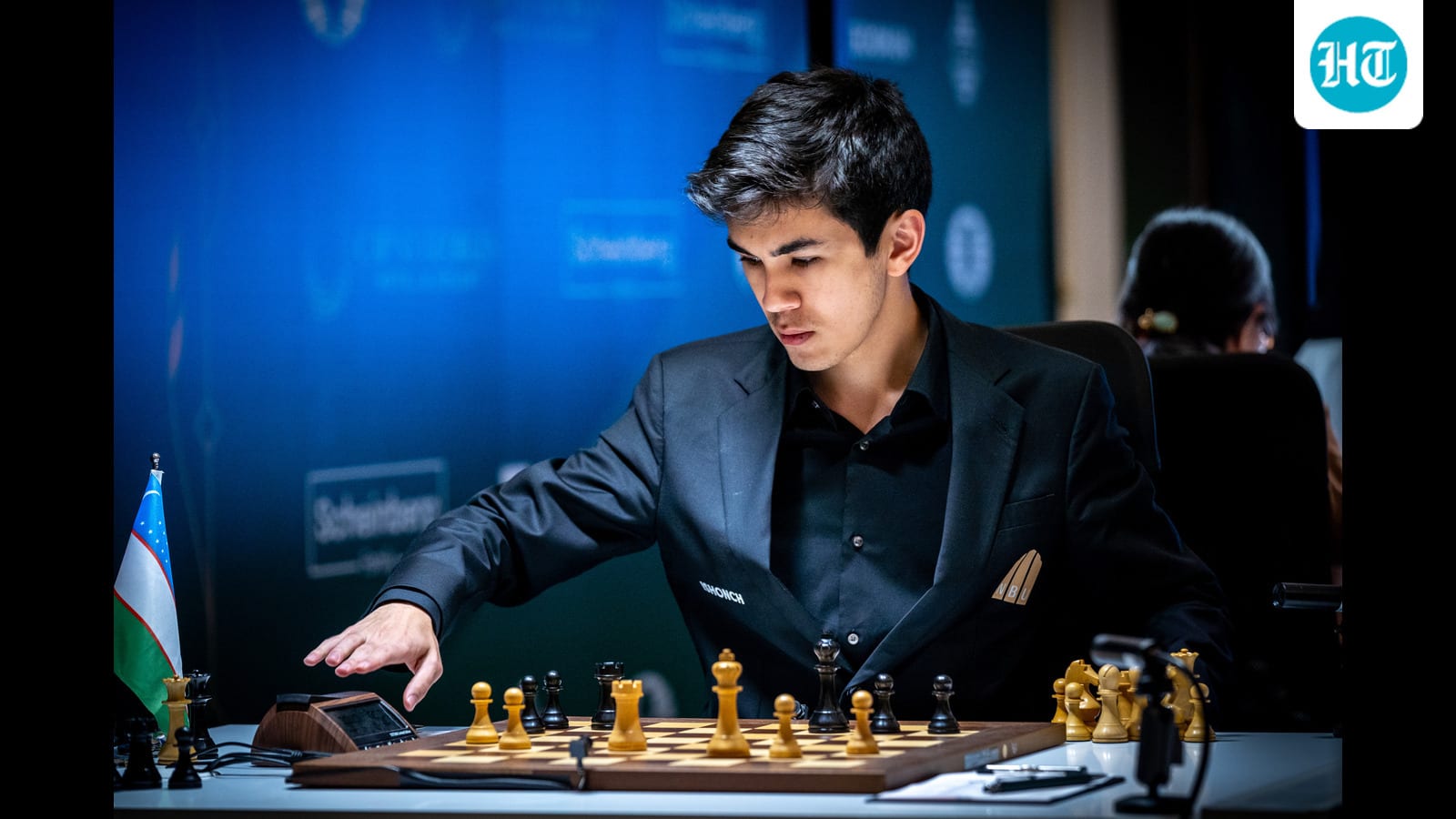
Uzbek challenger Javokhir Sindarov and Indian champion D Gukesh are preparing for the youngest World Championship match in history using contrasting training methods. Meanwhile, India's chess future shines as 17-year-old GM Mayank Chakraborty and his pupil Pratitee Bordoloi win Asian Junior titles.
A Tale of Two Philosophies: The Road to the World Championship
The upcoming World Championship match between 20-year-old Uzbek challenger Javokhir Sindarov and the defending champion D Gukesh represents a historic milestone, marking the youngest title showdown in the annals of chess. As the November date approaches, the two protagonists have adopted diametrically opposed preparation strategies that have captivated the global chess community. Sindarov has chosen a path of high-frequency competition, participating in numerous tournaments since May, including the Sinquefield Cup, the Global Chess League, and the Olympiad. His philosophy is rooted in the belief that staying in the 'thick of action' keeps his mind sharp and his competitive edge honed.
The Yin-Yang of Preparation
Conversely, D Gukesh, widely recognized for his intense focus and quiet demeanor, has opted for a period of monastic seclusion. By stepping away from high-profile events like the Global Chess League and the Grand Chess Tour, Gukesh is prioritizing deep preparation and psychological preservation. This 'yin-yang' dynamic—Sindarov’s energetic, tournament-heavy approach versus Gukesh’s silent, methodical intensity—highlights the evolving nature of elite chess training, where there is no longer a singular 'correct' path to becoming the best in the world.
The Pressure of the Global Stage
Sindarov’s decision to maintain a rigorous schedule is a bold attempt to solidify his standing as he breaks into the highest echelons of the sport. While critics might argue that such a schedule invites fatigue, Sindarov maintains that it prevents the stagnation that can occur in a 'preparation bunker.' His participation in a dozen events, ranging from rapid and blitz formats to classical events, suggests he is testing his versatility against a wide array of playing styles, aiming to be battle-hardened before the first move is played in November.
Rising Stars and Grassroots Success
Beyond the headline championship, the broader Indian chess ecosystem continues to demonstrate remarkable growth. The recent success of 17-year-old Mayank Chakraborty, India’s 94th Grandmaster and the first from the Northeast region, underscores the democratization of chess talent in the country. His victory at the Asian Junior Chess Championships in Mumbai, alongside his 13-year-old pupil Pratitee Bordoloi, illustrates a unique mentorship model that is fueling the next generation of players.
Implications for the Future
These developments signify a transformative era for the sport. The emergence of young, technically proficient, and highly motivated players like Chakraborty and Bordoloi indicates that India's chess infrastructure is maturing rapidly. As the world watches the Gukesh-Sindarov match, the legacy of these younger players will likely be defined by their ability to balance the immense pressure of professional expectations with the long-term goal of sustained excellence. The contrast in preparation styles between the two title contenders will likely be analyzed for years to come, potentially setting new standards for how world-class players ready themselves for the ultimate test in chess.
Verification Required?