Migrant worker from Bihar dies in boiler explosion at factory in Gummidipoondi
Source Entity
India Latest News: Top National Headlines Today & Breaking News | The Hindu
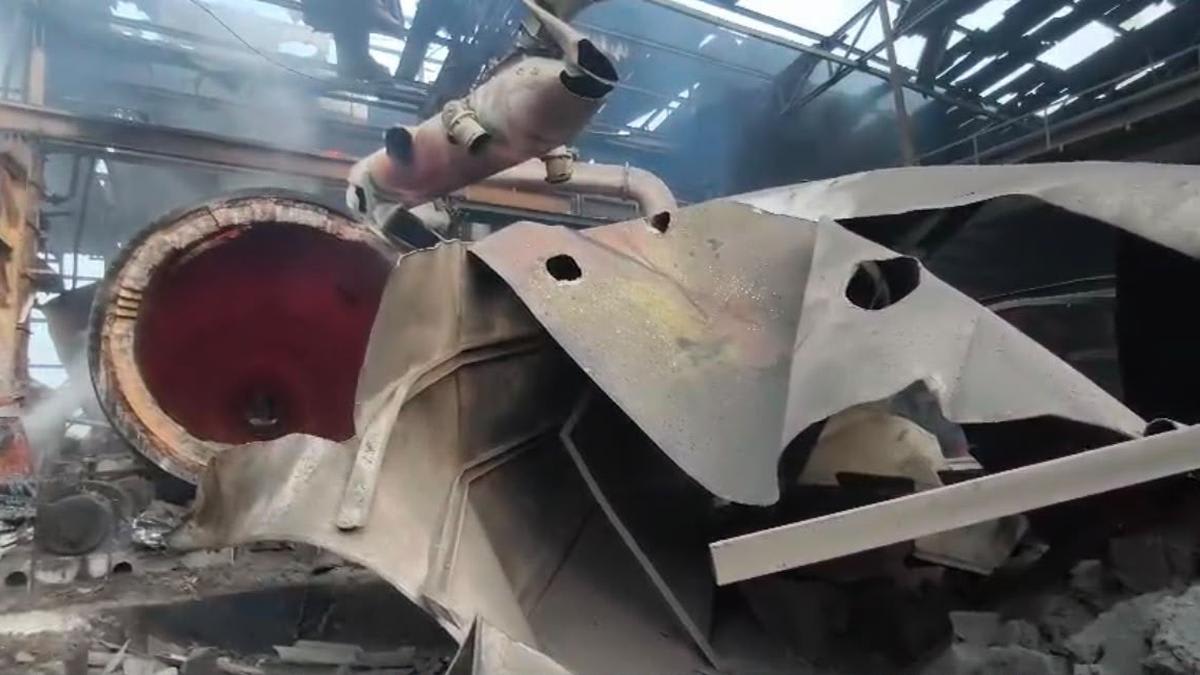
A boiler explosion at a recycling factory in Gummidipoondi has resulted in the death of a migrant worker from Bihar and left nine others injured. Police have registered a case and named the unit's supervisor as an accused in the FIR.
Tragedy in Gummidipoondi: Analysis of Industrial Negligence and Worker Safety
An industrial accident in Gummidipoondi has once again highlighted the precarious nature of safety standards in recycling units. The explosion of a boiler at a local factory led to the tragic death of a migrant worker hailing from Bihar, while leaving nine other workers injured—three of whom are in critical condition. This event underscores a recurring pattern of industrial mishaps where the human cost is disproportionately borne by the migrant workforce.
Immediate Impact and Emergency Response
The blast caused immediate and severe casualties, with the intensity of the explosion resulting in varying degrees of burns. The three grievously injured workers and six others with minor injuries were rushed to a combination of government and private hospitals, indicating the scale of the emergency and the need for urgent medical intervention. The death of the worker from Bihar adds a layer of socio-economic tragedy, as migrant laborers often leave their homes in search of better opportunities, only to face life-threatening risks due to poor workplace safety.
Legal Accountability and the FIR
Following the incident, the police have taken swift action by registering a case based on complaints filed by the surviving workers. Critically, the supervisor of the recycling unit has been named as an accused in the First Information Report (FIR). This legal move suggests that there may have been a failure in operational oversight or a blatant disregard for safety protocols. By naming the supervisor, the investigation will likely focus on whether the boiler underwent mandatory safety inspections or if the staff was adequately trained to handle high-pressure equipment.
The Vulnerability of the Migrant Workforce
This incident is a stark reminder of the vulnerability of inter-state migrant workers in India's industrial hubs. Workers from Bihar frequently migrate to Tamil Nadu for employment in manufacturing and recycling sectors. Often, these workers operate in high-risk environments with limited bargaining power or knowledge of their legal rights regarding occupational health and safety. When accidents occur, the loss is not just felt locally but reverberates back to rural communities in Bihar, where the deceased worker was likely the primary breadwinner.
Technical Failures in Recycling Infrastructure
Boiler explosions are rarely spontaneous; they are typically the result of systemic failures such as malfunctioning pressure relief valves, corrosion of the boiler shell, or the absence of regular hydrostatic testing. In recycling units, where operational costs are often kept low to maintain margins, maintenance schedules are sometimes ignored. This specific explosion indicates a catastrophic failure in the pressure vessel's integrity, pointing toward a lack of rigorous safety audits and a failure to adhere to the standards prescribed under the Factories Act.
Broader Implications and Future Trends
Looking forward, this incident is likely to trigger calls for stricter enforcement of industrial safety norms in the Gummidipoondi industrial belt. There is an urgent need for the state labor department to conduct comprehensive audits of all small and medium-scale recycling units to prevent similar tragedies. We can expect an increase in regulatory scrutiny and potentially more stringent licensing requirements for factories utilizing high-pressure boilers. If accountability is not strictly enforced, the trend of industrial negligence will continue to plague the sector.
Conclusion
The death of the Bihar migrant worker in Gummidipoondi is a preventable tragedy that exposes the gap between industrial growth and worker safety. While the filing of the FIR against the supervisor is a necessary first step toward justice, the broader issue of systemic negligence in recycling plants must be addressed. Ensuring the safety of the invisible workforce is not just a legal obligation but a moral imperative for the industrial sector.
Verification Required?