'Horrifying to the core': Gurgaon rain traps kids in school buses for over 7 hours
Source Entity
BAGISH JHA
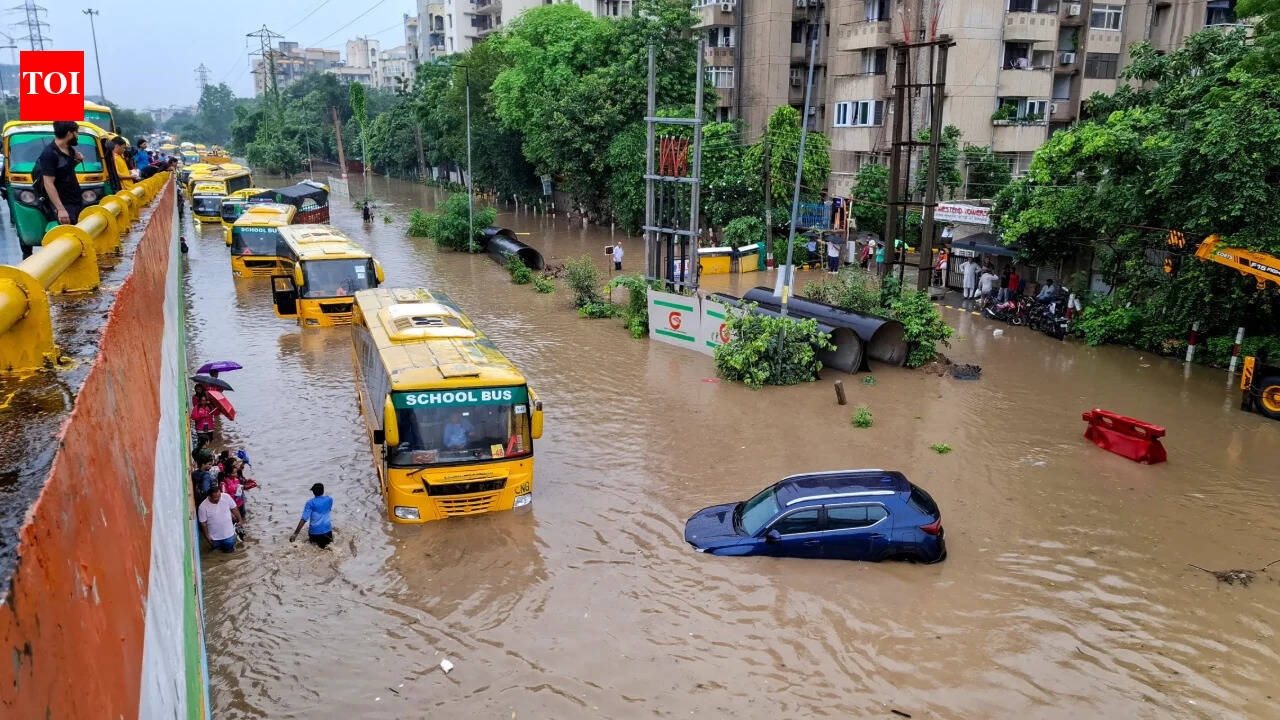
Recent monsoon rains in Gurugram led to severe waterlogging, trapping school children on buses for hours and sparking public outcry. Residents and entrepreneurs are questioning the city's civic infrastructure and tax efficacy in light of these recurring failures.
The Infrastructure Crisis in Gurugram: A Growing Urban Concern
Recent heavy monsoon rains have once again exposed the fragile state of urban infrastructure in Gurugram. The city, often touted as a corporate and technological hub, descended into chaos after just an hour of intense rainfall. The flooding has not only disrupted daily life but has also become a focal point for public frustration, with citizens and local entrepreneurs highlighting the massive gap between the taxes paid and the quality of civic services provided.
The Human Cost: Children Stranded for Hours
Perhaps the most alarming consequence of the recent downpour was the plight of school children. Reports indicate that students, some as young as those in Class II, were trapped in school buses for up to eight hours due to gridlocked, waterlogged roads. This harrowing experience left children traumatized and parents in a state of helplessness, forced to rely on messaging groups to track the safety of their children. The inability of the city’s drainage and traffic management systems to handle monsoon conditions has transformed a routine commute into a dangerous ordeal for the most vulnerable residents.
Entrepreneurial Frustration and Economic Implications
High-profile frustration has also emerged from the business community. A local founder, Dr. Shivin Chaudhary, took to social media to document the 'Venice-like' conditions outside his residence, questioning the viability of maintaining a business in a city where basic infrastructure fails during standard weather events. His sentiment—that such conditions could drive entrepreneurs to move abroad—reflects a broader concern: that the lack of reliable civic amenities is beginning to undermine Gurugram's competitive advantage as a global business destination.
Recurring Failures and Policy Gaps
This is not an isolated event but rather a recurring pattern of infrastructure failure. Despite repeated promises of drainage improvements and traffic management upgrades in both Gurugram and neighboring regions like Noida and Ghaziabad, the current situation suggests that these efforts have been insufficient. The inability to manage arterial roads during heavy rain highlights a systemic failure in urban planning and maintenance, suggesting that current infrastructure is unable to keep pace with the city's rapid expansion and population density.
Future Trends and the Call for Accountability
Looking forward, the recurring nature of these crises is likely to influence the migration patterns of high-net-worth individuals and corporate entities alike. As residents increasingly demand accountability for their tax contributions, civic authorities will face mounting pressure to move beyond temporary fixes. Without a comprehensive overhaul of the city’s drainage and disaster response strategies, Gurugram risks losing its status as a premier urban center to cities that can guarantee fundamental safety and operational reliability during all seasons.
Multiple Citing Sources