Where is Barron Trump? What we know as Secret Service acknowledges Iran's $10 million ‘bounty’
Source Entity
Latest News: Todays Latest News Headlines from India & World | Hindustan Times | Hindustan Times
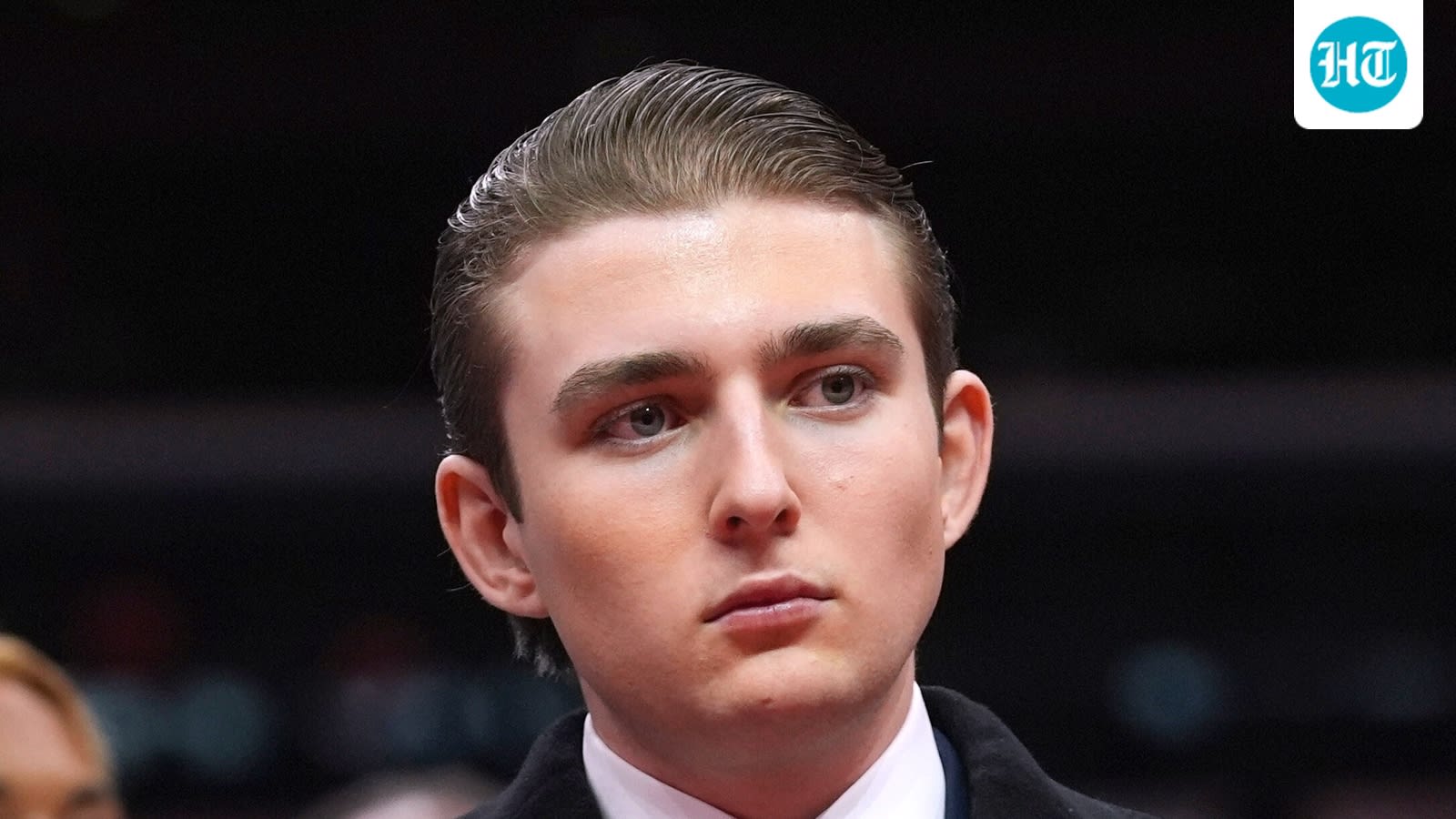
The U.S. Secret Service is investigating a threatening video aired on Iranian state television that targets Barron Trump. The video allegedly claims to monitor his movements and suggests a bounty, prompting increased security concerns.
Security Alert: Iranian State Media Targets Barron Trump
The United States Secret Service has officially acknowledged that it is actively investigating a concerning video broadcast by Iranian state television that explicitly targets Barron Trump, the youngest son of former President Donald Trump. This development marks a significant escalation in the rhetoric directed at the Trump family by state-affiliated entities in Iran, placing the Secret Service in a position of heightened operational vigilance regarding the safety of its protectees.
The Nature of the Threat
According to multiple reports, the nearly three-minute video was aired on Channel 3 of Iran’s state broadcaster, IRIB, and was disseminated by media outlets affiliated with the Islamic Revolutionary Guard Corps (IRGC). The content of the video is alarming, featuring an English-language graphic that asks, “Where to kill Barron Trump?” The footage claims to have monitored the 20-year-old’s movements, citing specific locations associated with his daily life, including his university settings in New York and Trump Tower. Furthermore, the video alleges that it has identified his digital footprint, specifically mentioning video game and Discord accounts, and even naming two of his classmates.
Secret Service Response and Operational Security
Secret Service spokesperson Nate Herring confirmed that the agency is aware of the video and is investigating it as a potential threat to a protected person. Adhering to strict protocols regarding protective intelligence, the agency has declined to provide specific details on how this information will impact current security arrangements, citing concerns for operational security. This standard response underscores the agency's commitment to mitigating risks without compromising the tactical methods used to shield high-profile individuals from harm.
Unverified Claims and Escalating Tensions
While the video alleges the existence of a $10 million bounty for the killing of Barron Trump, this specific claim has not been independently verified. The broader context of this threat follows a pattern of hostile rhetoric from Iranian state media following the assassination of high-ranking Iranian officials, such as Qasem Soleimani, and ongoing geopolitical friction between Washington and Tehran. The inclusion of personal details, such as the naming of classmates and digital accounts, represents a sophisticated attempt at intimidation that goes beyond traditional political posturing.
Broader Geopolitical Implications
This incident highlights the precarious intersection of state-sponsored propaganda and the protection of private citizens who happen to be family members of political figures. By targeting a family member rather than a sitting official, the threat introduces a complex dimension to international security. The attempt to leverage fear through the dissemination of supposedly monitored movements serves as a reminder of the persistent threats faced by the families of U.S. leaders in an era of global digital surveillance and asymmetric warfare.
Future Trends in Protective Security
As geopolitical adversaries increasingly utilize digital platforms to project power and intimidation, the Secret Service faces an evolving threat landscape. The ability of hostile actors to track digital habits—such as gaming and social media activity—necessitates a more comprehensive approach to personal security that extends well beyond physical protection. Moving forward, the focus will likely shift toward enhanced digital counter-intelligence to protect the privacy and safety of those under the agency's care, ensuring that such threats do not translate into physical action.
Multiple Citing Sources
Verification Required?